
What Is a Paper Tube and What Is It Used For?
A paper tube is a cylindrical product made by winding layers of paper around a core or mandrel. Its walls may feel light, yet they can provide surprising strength when the fibers are tightly bonded. Manufacturers use different paper grades, adhesives, diameters, and wall thicknesses for specific applications. Small tubes may hold labels or posters. Larger versions can support textiles, films, carpets, and construction materials.
The value of a paper tube depends on its design and working conditions. A thick-walled tube can resist crushing during storage, while a narrow tube may suit lightweight packaging. Moisture changes the calculation. Paper absorbs water, so performance can decline in damp warehouses or outdoor settings. This detail is often overlooked. Real-world selection should consider load, length, winding speed, storage temperature, and recycling requirements. Industry experience also shows that “eco-friendly” is not a complete technical description. Recycled content, adhesive type, coatings, and local recycling systems all affect the final environmental result. Some tubes are recyclable, while others require special handling because of attached materials. Checking supplier specifications and testing samples remains the most reliable approach. In this article, we will examine what a paper tube is, how it is produced, and where it is commonly used. The discussion will also address practical limitations, quality factors, and the mistakes buyers can avoid. Not every tube fits every job. That is worth remembering.
What Is a Paper Tube?
What Is a Paper Tube?
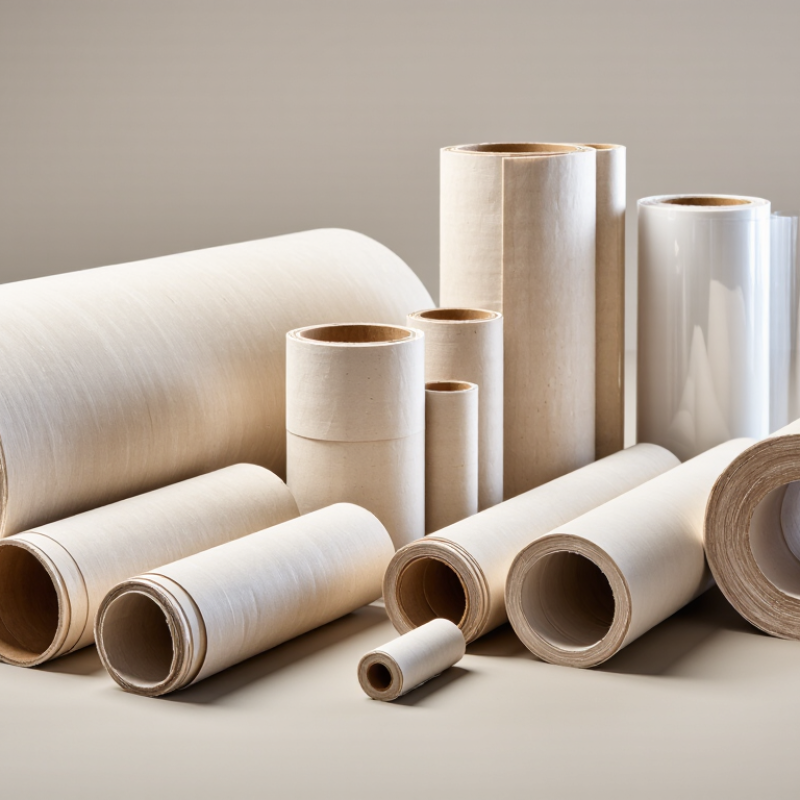
A paper tube is a hollow cylinder made from wound layers of paper or paperboard. Manufacturers bond these layers with adhesive, creating a structure that is light but surprisingly strong. Its strength depends on wall thickness, paper density, winding direction, and moisture exposure. Some tubes have smooth surfaces, while others show visible spiral lines. That texture is normal.
Paper tubes serve many practical purposes. They can hold posters, drawings, labels, textiles, cables, and other rolled materials. In packaging, the rigid shape helps reduce bending and crushing during storage or transport. Larger tubes may also act as cores for film, paper, or fabric rolls. Smaller versions can support craft projects, displays, or temporary storage. However, a paper tube is not automatically waterproof or suitable for heavy loads. Performance changes quickly when the paper absorbs water.
Tips: Choose the tube by inner diameter, length, wall thickness, and expected load. Check whether the contents need moisture protection. Store tubes vertically or on a flat, dry surface to prevent warping. Avoid forcing oversized materials inside. A slightly thicker tube often provides better protection, but it may add unnecessary weight. There is no perfect specification; the right choice depends on handling conditions. Testing one sample first is a sensible step.
What Is a Paper Tube and What Is It Used For? - What Is a Paper Tube?
| Data Dimension | Typical Information | Practical Significance |
|---|---|---|
| Definition | A paper tube is a hollow, cylindrical product made by winding and bonding one or more layers of paper or paperboard around a mandrel. | Its cylindrical structure provides a lightweight core, sleeve, container, or protective housing for many products. |
| Main Material | Most paper tubes are made from kraft paper, recycled paperboard, or a combination of paper grades selected for strength and surface performance. | The material choice affects compression strength, appearance, moisture resistance, printability, and recyclability. |
| Manufacturing Method | Paper layers are commonly wound using spiral winding or convolute winding and bonded with adhesive. | Different winding methods allow manufacturers to produce tubes with different dimensions, wall structures, surface finishes, and strength levels. |
| Common Shapes | Round tubes are the most common. Other forms may include square, rectangular, oval, or custom-profile tubes. | The shape can be selected according to the product being held, the required stacking pattern, and the available packaging space. |
| Typical Components | A paper tube may include a wound body, end caps, liners, labels, printed surfaces, coatings, or inserts. | Additional components can improve closure, presentation, cleanliness, moisture protection, or product positioning. |
| Key Physical Properties | Important properties include axial compression strength, radial strength, dimensional stability, stiffness, and resistance to crushing. | These properties determine whether a tube is suitable for winding, stacking, shipping, storage, or protective packaging. |
| Packaging Uses | Paper tubes are used for products such as posters, documents, textiles, gifts, snacks, cosmetics, dry goods, and other items that benefit from cylindrical packaging. | They can protect contents from bending, abrasion, dust, and moderate handling damage while offering a distinctive package format. |
| Industrial Uses | Industrial paper cores support materials wound into rolls, including paper, film, foil, labels, tapes, yarn, thread, and nonwoven materials. | The core maintains the roll shape and provides a stable surface for winding, unwinding, transportation, and storage. |
| Construction and Craft Uses | Large and heavy-duty tubes can be used as concrete-forming molds, while smaller tubes are used in crafts, educational projects, and display structures. | The rigid cylindrical form is useful when a temporary mold, structural support, or creative base is required. |
| Customization Options | Customization may include inner diameter, outer diameter, length, wall thickness, paper grade, color, printing, coating, end style, and closure type. | These options allow the tube to match product dimensions, branding requirements, machinery specifications, and protection needs. |
| Moisture Performance | Standard paper tubes are not fully waterproof. Moisture-resistant papers, coatings, liners, or sealed ends may be added for specific applications. | Additional protection may be necessary when tubes are exposed to humidity, condensation, wet products, or outdoor conditions. |
| Environmental Profile | Paper tubes are primarily fiber-based and may be recyclable when they are clean and free from incompatible materials such as certain plastic films, foils, or heavy coatings. | Recyclability depends on local collection rules, the tube’s composition, adhesives, coatings, and any attached components. |
| Advantages | Common advantages include low weight, efficient use of fiber materials, stackability, printability, dimensional flexibility, and the ability to use recycled paper content. | These features make paper tubes suitable for both functional industrial cores and consumer-facing packaging. |
| Limitations | Paper tubes can be damaged by prolonged moisture exposure, excessive compression, rough handling, or loads beyond their design capacity. | Tube specifications should be matched to the product weight, storage conditions, winding tension, transport method, and expected handling environment. |
Note: Performance and recyclability vary according to paper grade, wall construction, dimensions, adhesive system, coatings, and local recycling requirements.
Related Posts
-

How to Make Paper Tubes at Home Step by Step Guide
-
10 Best Paper Tube Manufacturers for Global Buyers
-

Top 10 Benefits of Using Paper Tubes for Packaging and Storage Solutions
-
How to Choose the Right Paper Tube Supplier in 2026?
-
Top Postal Tubes in UK for Global Buyers in 2026?
-

What Are The Benefits of Using Recycled Cardboard in Packaging?