What Are The Benefits of Using Recycled Cardboard in Packaging?
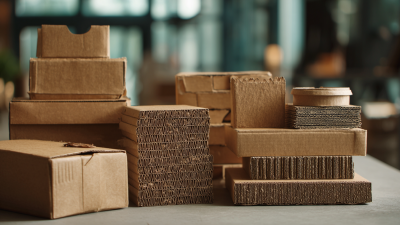
Using recycled cardboard in packaging is gaining attention in various industries. Expert Dr. Emily Thompson, a leading researcher in sustainable materials, states, "Recycled cardboard is a game-changer for eco-friendly packaging." This highlights its importance in reducing waste and promoting sustainability.
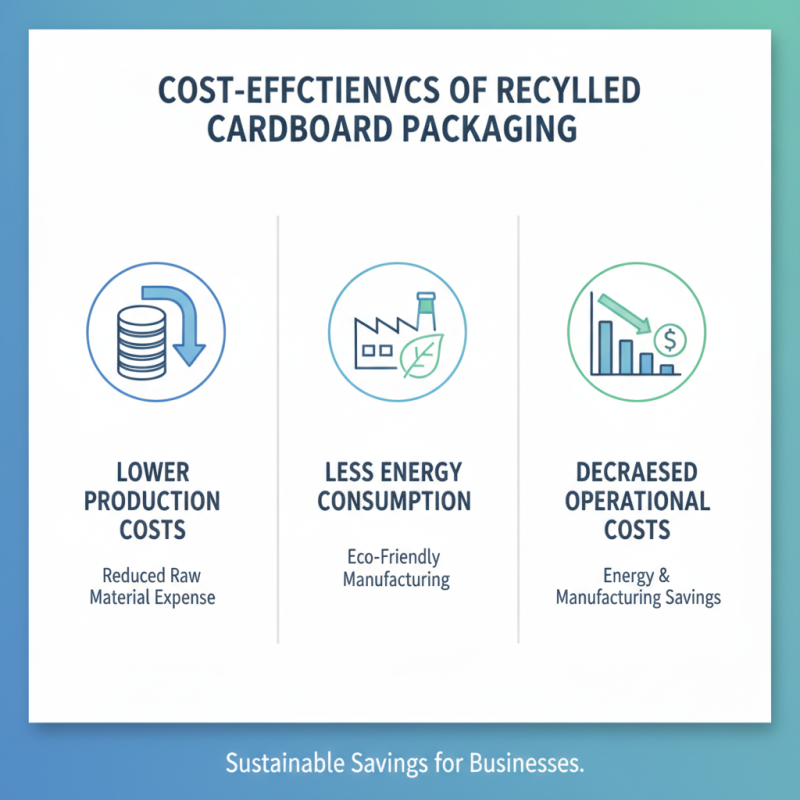
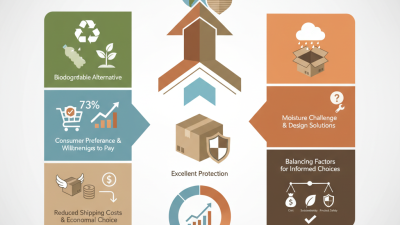
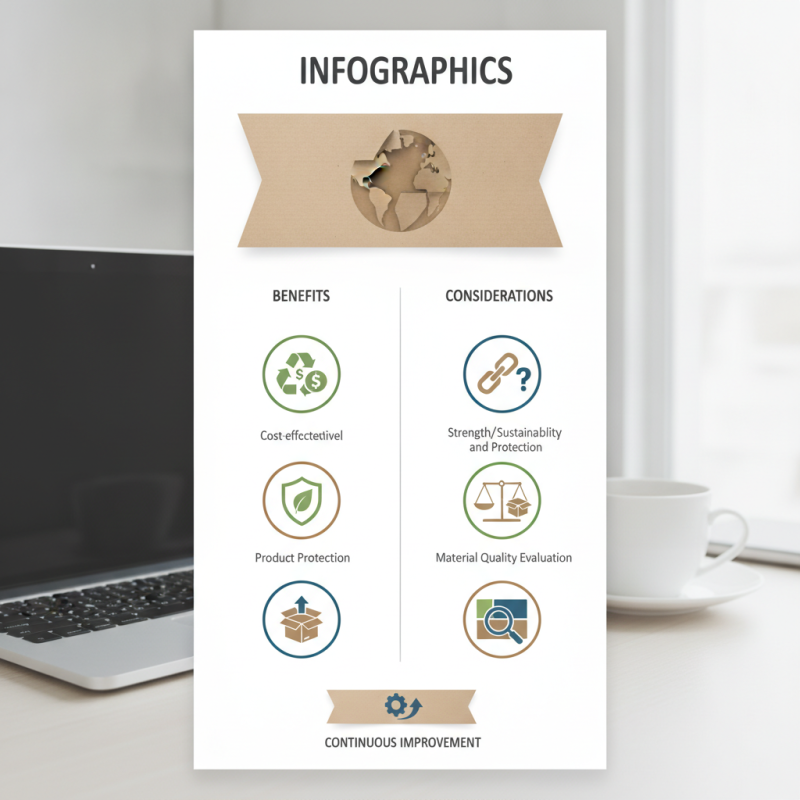
Recycled cardboard is not only environmentally friendly but also cost-effective. Many companies see reduced material costs when using it. Additionally, it offers strong protection for products during shipping. However, the performance of recycled cardboard can vary depending on its quality. Businesses must evaluate their needs carefully.
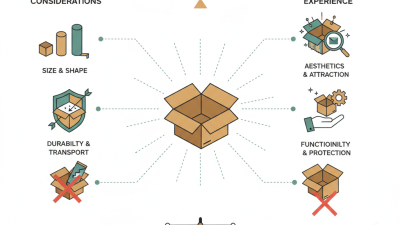
Adopting recycled cardboard presents challenges. Some might worry about the strength and durability of recycled materials. It's essential to balance sustainability with product protection. Companies should test different sources of recycled cardboard to find the right fit. Making informed decisions on recycled materials is critical for long-term success. The transition to using recycled cardboard requires thoughtful consideration and continuous improvement in practices.
Benefits of Recycled Cardboard for Environmental Sustainability
Recycled cardboard plays a vital role in environmental sustainability. By reusing this material, we significantly reduce waste. Cardboard accounts for a large part of landfills, and recycling it helps conserve space. Every ton of recycled cardboard saves about nine cubic yards of landfill space. It’s a small step toward a larger goal of reducing our environmental footprint.
The production of recycled cardboard requires less energy than new cardboard. This process cuts carbon emissions and conserves natural resources. It takes fewer trees and water to produce. However, recycling is not without its flaws. Not all communities have access to recycling facilities. Awareness about proper recycling practices is also lacking. These are areas that need improvement for optimal environmental benefits.
Using recycled cardboard in packaging minimizes the impact on forests. It fosters a circular economy where materials are reused. Consumers increasingly prioritize sustainable practices in purchasing decisions. By choosing recycled options, we contribute to a healthier planet. Yet, there is still a long way to go. We must continue to advocate for better recycling programs and educate others on their importance.
Benefits of Using Recycled Cardboard in Packaging
This chart presents the benefits of using recycled cardboard in packaging quantified in percentage reductions across various dimensions such as energy savings, water usage reduction, carbon footprint, waste reduction, and cost savings.
Enhancing Brand Image Through Eco-Friendly Packaging Choices
Eco-friendly packaging choices can greatly enhance brand image. Recycled cardboard is a prime example. Brands adopting this material show commitment to sustainability. This resonates with consumers increasingly focused on environmental responsibility. In this era, eco-conscious customers prefer brands that reflect their values.
Using recycled cardboard also conveys authenticity and reliability. It demonstrates a brand's awareness of waste reduction and resource conservation. A visually appealing design using recycled materials can attract attention. This strategy not only appeals to eco-conscious customers but also sets the brand apart in a crowded market. However, it's vital not to overstate achievements. Transparency in sustainability efforts is equally important.
While recycled cardboard is beneficial, challenges exist. Some customers may question its sturdiness compared to new materials. Misconceptions about recycled products can hinder acceptance. Brands must address these concerns with facts and visuals. Engaging in open conversations helps strengthen trust with consumers. Balancing sustainability and performance is key, as brands navigate this complex landscape.
Impact of Recycled Cardboard on Supply Chain Efficiency
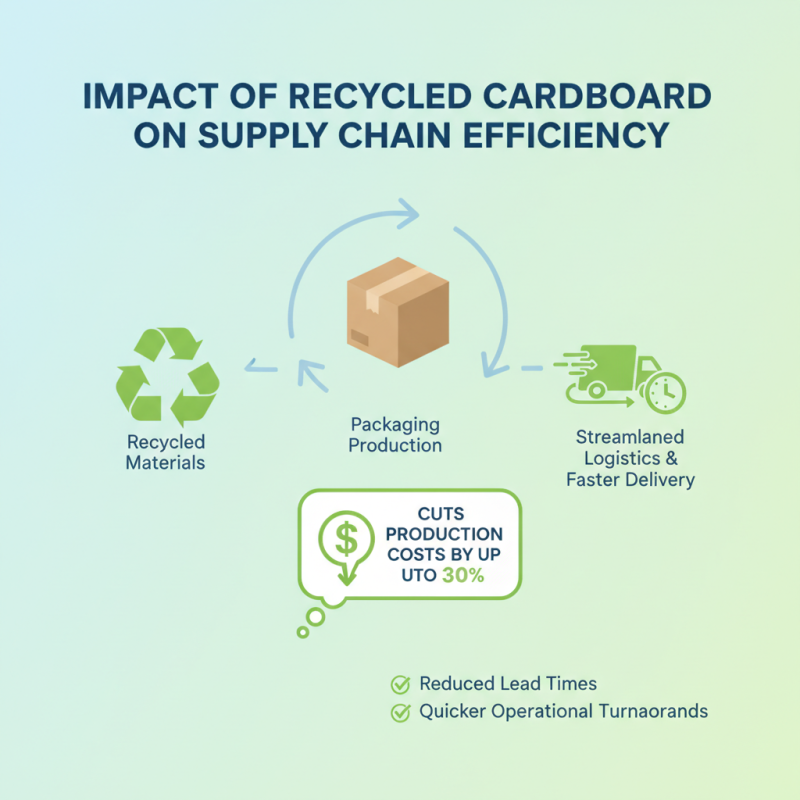
Incorporating recycled cardboard into packaging significantly impacts supply chain efficiency. Studies indicate that using recycled materials can cut production costs by up to 30%. This reduction can streamline logistics and reduce delivery times. Businesses utilizing recycled cardboard report quicker turnaround in their operations.
However, challenges persist. Despite the benefits, the availability of quality recycled cardboard varies by region. In certain areas, insufficient recycling facilities hinder access. Additionally, some companies face higher upfront costs when transitioning to recycled materials. These obstacles can affect long-term sustainability goals.
According to a report by the Environmental Protection Agency, recycling just one ton of cardboard saves about 9 cubic yards of landfill space. This reduction can lead to lower disposal costs for companies. Furthermore, organizations that prioritize recycled materials enhance their corporate responsibility image. Yet, they must address supply chain hurdles to truly maximize these benefits and ensure consistency in supply.
Health and Safety Advantages of Using Recycled Materials in Packaging
Recycled cardboard offers significant health and safety benefits in packaging. The Environmental Protection Agency (EPA) states that using recycled materials can reduce greenhouse gas emissions by up to 50%. This reduction is crucial for public health, as lower emissions mean cleaner air. Cleaner air can lead to fewer respiratory issues and other health problems in communities.
Moreover, recycled cardboard is often free from harmful chemicals. Traditional packaging materials may contain toxic substances that can seep into food products. Studies show that up to 30% of conventional packaging contains such chemicals. By switching to recycled cardboard, companies minimize this risk, ensuring that their products are safer for consumers.
While recycled materials reduce health risks, not all recycling processes are perfect. Contamination in recycling streams can occur, leading to mixed materials and potential safety concerns. Ongoing efforts to improve recycling practices are essential. Industry reports indicate that improving recycling technologies could make recycled cardboard even safer and more effective for packaging purposes.