How to Choose the Right Paper Tube Supplier in 2026?
Choosing the right paper tube supplier in 2026 requires more than comparing unit prices. The real test begins with the finished tube.
A supplier must prove consistent winding tension, clean edges, accurate dimensions, and dependable adhesive bonding. Ask for production samples, compression-test results, moisture data, and recent quality records. A tube that looks strong may still split during filling or transport.
Industry data supports this caution. Smithers’ The Future of Paper Packaging to 2028 identifies continued growth in recyclable paper-based packaging, driven by brand sustainability targets and regulatory pressure. CEPI reported that Europe’s paper and board recycling rate reached approximately 79% in 2023. However, recyclability alone does not guarantee performance. Fiber quality, coatings, inks, and contamination still matter.
As packaging sustainability expert Bob Lilienfeld explains, “Packaging is a system, not a single material.” That principle applies directly to paper tube sourcing. The supplier must understand your product, filling line, storage conditions, shipping route, and end-of-life requirements.
Look closely.
An experienced supplier should discuss core diameter, wall thickness, spiral angle, caliper tolerance, and load-bearing performance without avoiding difficult questions. Request evidence from comparable applications, not only attractive brochures. Check whether the factory controls recycled fiber variation and maintains backup production capacity.
Cost remains important, but the cheapest quote can become expensive after crushed cartons, delayed launches, or rejected batches. I would also avoid assuming every “eco-friendly” claim is equally reliable. Some claims sound impressive but lack test methods or certification.
This guide explains how to assess suppliers, compare technical capability, verify sustainability claims, and choose a paper tube partner with fewer surprises in 2026.
What a Paper Tube Supplier Does and Why It Matters
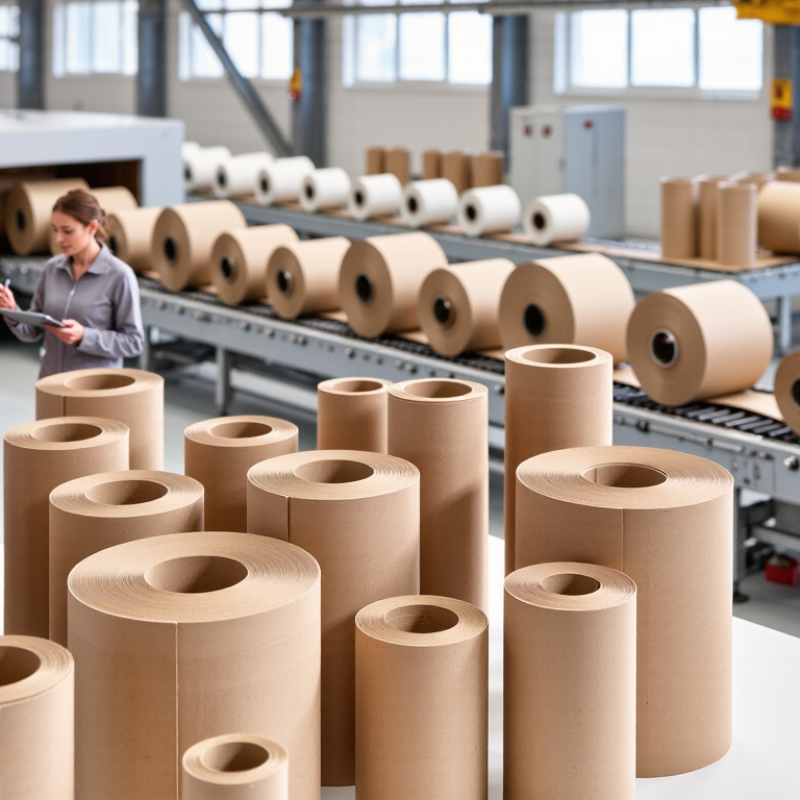
A paper tube supplier does more than deliver finished cylinders. It converts paperboard into a controlled packaging component. Its work may include material sourcing, spiral or convolute winding, adhesive application, cutting, printing, and protective finishing. The supplier also translates your product dimensions into wall thickness, compression strength, inner diameter, and winding tolerance. These details decide whether a tube rolls smoothly, protects contents, and fits automated filling equipment. In practice, a sample can look excellent yet fail after humidity exposure. That is an uncomfortable lesson.
Scale makes supplier discipline important. FAO’s Global Forest Products Facts and Figures 2022 records about 415 million tonnes of paper and paperboard produced worldwide. CEPI’s Key Statistics 2023 reports a European paper and board recycling rate of 79.3%. These figures show a large, resource-sensitive supply chain, not a simple purchase. Ask how recycled fiber is verified, how moisture is controlled, and whether batch records follow every shipment. Request test results for compression, moisture, dimensions, and adhesive performance. A reliable supplier should explain methods, not merely promise quality. Certificates help, but they do not replace factory records or physical testing.
When comparing suppliers in 2026, inspect their sampling process and change-control procedure. Can they repeat the same tube after three months? Can they warn you before a paper grade changes? Delivery reliability matters too; late cores can stop a converting line. Forecast sharing, safety stock, and clear rejection rules reduce that risk. No supplier is perfect. The thoughtful buyer leaves room for failure, reviews root causes, and improves specifications instead of blaming people too quickly. That reflection may save more money than a small unit-price reduction.
Key Criteria for Evaluating Paper Tube Suppliers
How to Choose the Right Paper Tube Supplier in 2026?
Key Criteria for Evaluating Paper Tube Suppliers
Choosing a paper tube supplier requires more than comparing prices. Review the tube’s paper grade, wall thickness, inner diameter, and compression strength. These details affect filling speed, stacking stability, and product protection. Ask for recent test reports, not general promises. A reliable supplier should explain its testing methods clearly.
Request physical samples before approving a large order. Check the tube’s edges, winding quality, surface smoothness, and fit with your equipment. Test samples under realistic conditions, including vibration, moisture, and warehouse stacking. Small defects matter. A loose spiral can create jams or damaged packaging. I have learned that sample approval without machine testing can create expensive surprises.
Production control also deserves close attention. Ask how the supplier tracks raw materials, batch numbers, inspections, and rejected units. Confirm lead times with written production schedules. Review their ability to handle design changes without losing consistency. Clear communication is practical evidence of professionalism. Sustainability claims should include measurable details, such as recycled content, paper sourcing, and waste controls. No supplier looks perfect on paper. A missed question during evaluation may become a costly lesson.
How to Compare Materials, Customization, and Production Capabilities
Choosing the right paper tube supplier in 2026 requires more than comparing prices. Compare the material first. Kraft paper usually offers a natural appearance and strong compression. White paper supports brighter printing and sharper color control. Recycled grades can support sustainability goals, but shade and surface consistency may vary. Ask for paper specifications, recycled content, moisture resistance, and test reports. A reliable supplier should explain these limits clearly. If answers stay vague, pause.
Customization should be measured, not simply promised. Share your product diameter, height, wall thickness, closure style, artwork, and expected monthly volume. Request a physical sample before approving mass production. Check the lid fit, edge smoothness, print alignment, and odor. Small defects become obvious on a retail shelf. Also confirm color tolerances, tooling fees, minimum order quantities, and design-change costs. Many teams focus on decoration and forget product protection.
Tips: Compare winding equipment, cutting precision, printing methods, inspection procedures, and monthly capacity. Ask how the supplier handles rejected units and urgent orders. A factory may show impressive samples yet struggle with repeatability. Check lead times using your real order volume, not a general estimate. Request batch records and clear approval steps. A lower quote can hide weaker paper, slower communication, or inconsistent dimensions. That risk deserves a careful review.
How to Verify Quality, Certifications, and Sustainability Practices
Choosing a paper tube supplier in 2026 requires more than comparing prices. Request current ISO 9001 and ISO 14001 certificates, then check the issuing body, site address, scope, and expiry date. ISO’s latest Survey records more than one million ISO 9001 certificates worldwide. It also records over half a million ISO 14001 certificates. Numbers alone do not prove strong factory control.
Ask for batch-level evidence. This should include recycled content, fiber origin, moisture resistance, adhesive composition, and migration test results when packaging touches products. FSC or PEFC chain-of-custody documents can support responsible fiber claims, but verify that the certificate covers the actual manufacturing site. CEPI reported a 79.3% paper recycling rate in Europe in 2023. That figure is useful context, not proof that every tube is recyclable.
Visit the plant, if possible. Look for covered fiber storage, labeled production lots, wastewater controls, and calibrated compression-testing equipment. Request recent audit findings, corrective actions, energy data, and waste records. A supplier that only shares a glossy sustainability page deserves closer questions. I have learned that a certificate PDF proves less than a traceable batch record. No certificate removes every risk. Recycled-content claims can also describe mill input rather than the finished tube. That distinction is easy to miss. It should be written into the specification.
How to Assess Pricing, Lead Times, and Long-Term Reliability
Choosing the right paper tube supplier in 2026 requires more than comparing unit prices. A low quote may exclude tooling, packaging, freight, or quality checks. Ask for a detailed cost breakdown. Request samples from different production batches, not only one polished sample. Then compare wall thickness, winding strength, moisture resistance, and printing accuracy. Price matters, but consistency protects your margins.
Lead times should reflect real production conditions. Ask for separate estimates for sampling, production, inspection, and delivery. Request records from recent orders. Delays happen. I once accepted an attractive quote without checking capacity during peak season. The shipment arrived twelve days late. That mistake affected our packing schedule and customer commitments.
Tips:
Confirm the supplier’s monthly capacity and backup equipment. Check whether raw materials are regularly available. Speak with two recent customers, if possible. Ask how defects are recorded and corrected. Review their inspection reports, response times, and change-control process. Calculate the total landed cost, not just the factory price. Payment terms and minimum order quantities also affect cash flow. A reliable supplier should explain problems early, provide evidence, and accept reasonable performance reviews. If every answer sounds perfect, ask more questions.