Top Recycled Cardboard Suppliers for Global Buyers?
Global demand for recycled cardboard is rising, but dependable supply remains uneven. Buyers need more than a long supplier list. They need verified quality, stable volumes, and clear export documentation.
Industry data supports this concern. The American Forest & Paper Association reported that the United States recovered 46.2 million tons of paper and paperboard in 2023. Its reported recovery rate was 46.2%. Eurostat recorded an 81.5% recycling rate for paper and cardboard packaging in the European Union in 2022. These figures show strong recovery systems, yet they do not guarantee consistent bales or shipment performance. Local collection quality still differs widely.
This guide reviews top recycled cardboard suppliers for global buyers through practical purchasing criteria. These include fiber grade, moisture control, contamination limits, bale density, monthly capacity, and third-party certifications. A supplier may offer attractive pricing but lack reliable container scheduling. Another may provide cleaner material but require higher minimum order quantities. Small details matter. A wet bale can damage an entire production batch.
The analysis also considers suppliers serving packaging mills, manufacturers, and international distributors. Information from trade associations, public company records, and recognized market reports provides the foundation. Direct verification remains essential. No ranking is perfect. Buyers should request recent inspection records, loading photos, laboratory results, and sample bales before signing long-term agreements. Regional regulations and import requirements must also be checked carefully, because recycled fiber classifications vary between markets.
What Recycled Cardboard Is and Why Global Buyers Choose It
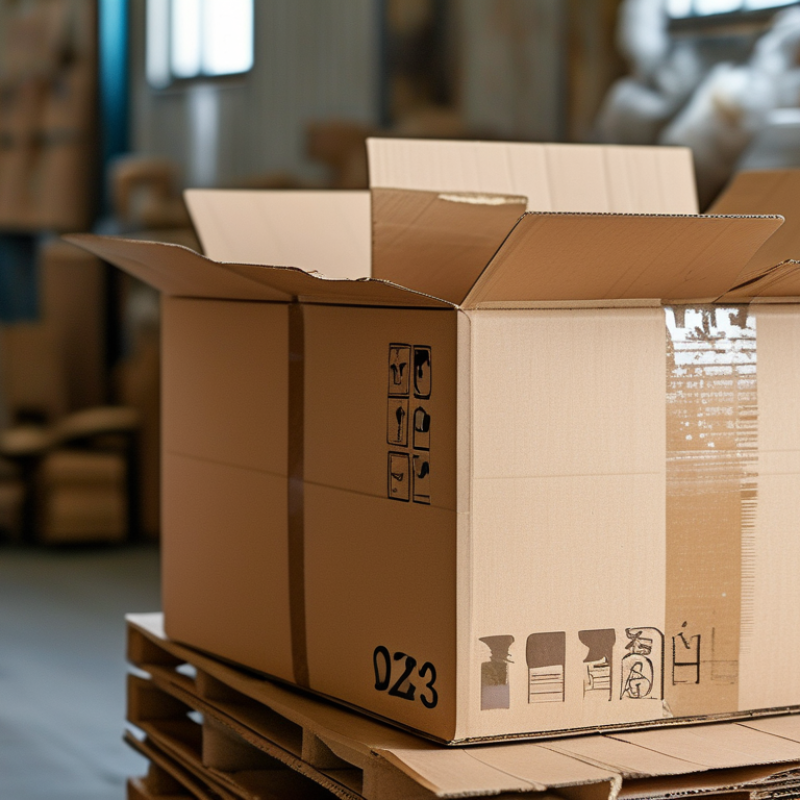
Recycled cardboard is packaging board made from recovered paper fibers, including used corrugated boxes and factory trimmings. Suppliers collect, sort, pulp, clean, and reform these fibers into sheets or rolls. Some grades contain virgin fiber because recycled fibers become shorter after repeated processing. That detail matters.
Global buyers choose it for practical reasons. Recycled content can reduce dependence on fresh wood fiber and support circular material flows. CEPI reported a 79.3% paper recycling rate in Europe in 2023. The U.S. EPA also reported a 96.5% recycling rate for corrugated boxes in 2018. These figures show strong recovery systems, but they do not guarantee equal quality in every region. Moisture, mixed waste, and weak sorting can affect strength. Recycled is not automatically better.
Tips: Ask suppliers for fiber percentages, basis weight, edge crush test results, moisture limits, and recent laboratory reports. Request samples after exposure to warehouse humidity. A clean sheet may still warp during ocean transport. Confirm bale traceability and delivery consistency before signing large contracts. Environmental claims should match recognized standards and verified data. Buyers should also compare total cost, not only the quoted price. Recycled board can require extra testing, especially for heavy products or long-distance shipping. Small mistakes become expensive.
How to Evaluate Recycled Cardboard Suppliers Across International Markets
Top Recycled Cardboard Suppliers for Global Buyers
Evaluating recycled cardboard suppliers across borders requires more than comparing price per ton. Start by defining the required grade, basis weight, moisture range, and compression strength. A reliable supplier should provide recent laboratory reports, production specifications, and traceability records for recovered fiber. Samples matter. Test sheets under humid and dry conditions, especially when shipments cross climates.
Review the supplier’s manufacturing experience, quality controls, and export history. Ask for evidence of batch inspection, pallet protection, and container loading procedures. Clear answers usually indicate stronger operational discipline. Check whether production capacity matches your order volume, not just the advertised maximum. Request lead times in writing, including holidays, port delays, and inspection periods. Small details can expose large risks.
International evaluation also depends on communication and documentation. Confirm invoice accuracy, packing lists, shipping marks, and agreed delivery terms before placing a trial order. A video factory tour can help, but it cannot replace an independent audit or physical inspection. Compare at least three suppliers using the same scorecard. Include quality consistency, response time, claim handling, payment security, and environmental evidence. No scorecard is perfect. A clean spreadsheet may still miss a delayed reply or weak protective packaging. Keep records of every sample result and corrective action. Trust should grow from repeated performance, not polished promises.
How to Evaluate Recycled Cardboard Suppliers Across International Markets
For global buyers, supplier selection should focus on measurable factors such as recycled fiber content, product quality, compliance, supply reliability, logistics capability, and sustainability transparency. The chart shows a practical buyer-priority weighting model, with a total score of 100%.
These evaluation dimensions reflect common international procurement requirements for recycled cardboard, including fiber traceability, moisture and strength consistency, recognized management standards, export experience, and documented environmental performance.
Key Certifications, Quality Standards, and Product Specifications
Global buyers should examine recycled cardboard suppliers through verified certifications, measurable quality standards, and practical product specifications. A valid quality-management certificate can indicate controlled production, but it does not replace inspection. Look for recycled-content verification, responsible-fiber certification, and environmental-management credentials. Check certificate numbers, expiry dates, and the exact factory location. These details often reveal gaps.
In supplier audits, I compare the technical sheet with physical samples. Key specifications include grammage, caliper, moisture level, burst strength, edge crush strength, and Cobb value. For packaging, sheet dimensions, roll width, core diameter, and pallet configuration also matter. Ask for recent laboratory reports, not only standard templates. Sampling should cover different production lots. One carton can look excellent while another feels soft. That is an uncomfortable but important possibility. Tolerances must be written clearly, especially for moisture and thickness. Requirements for food, pharmaceutical, or direct-contact packaging need separate compliance evidence, depending on the destination market.
Tips: Request a pre-shipment inspection and retain sealed reference samples. Confirm whether testing follows recognized methods such as ISO or TAPPI procedures. Do not rely on recycled percentage alone; fiber quality, odor, cleanliness, and print performance also affect usability. A supplier may promise consistent color, yet recycled fibers naturally vary. Discuss acceptable shade ranges before production. Also review complaint procedures, corrective-action records, and traceability from recovered material to finished boards. Clear records build trust more effectively than polished sales language.
Leading Supplier Regions and Their Export Capabilities
Top Recycled Cardboard Suppliers for Global Buyers?
Europe remains a strong sourcing region for recycled cardboard, supported by mature collection systems and established paper mills. Suppliers commonly offer sorted old corrugated containers, mixed paper, and high-grade recovered fiber. Many export through large North Sea and Mediterranean ports. Buyers should request moisture readings, bale photographs, fiber-grade details, and recent inspection records. Strong documentation often separates dependable exporters from attractive but uncertain offers.
North America provides large volumes and consistent container-loading experience. Its suppliers often serve Asian, Latin American, and Middle Eastern markets through Pacific and Atlantic ports. Export capabilities may include standardized bale weights, digital loading reports, and third-party quality checks. East Asia also has efficient logistics, although domestic demand can change available volumes quickly. Southeast Asian suppliers may provide competitive freight routes, but buyers must examine collection quality and contamination controls carefully.
Latin America is gaining attention as recycling infrastructure expands near major coastal cities. Exporters there can offer useful regional access, especially for nearby markets. However, supply consistency may vary between seasons and municipalities. No region is perfect. I have seen well-presented bales contain unexpected plastic film or excess moisture. A practical buyer should test samples, confirm Incoterms, and compare port handling charges before signing. Currency movement, weather delays, and changing recovery rates can affect even experienced suppliers. That detail is easy to underestimate.
Ordering, Shipping, Pricing, and Risk Management for Global Buyers
Top Recycled Cardboard Suppliers for Global Buyers
Ordering, Shipping, Pricing, and Risk Management for Global Buyers
Global buyers should evaluate recycled cardboard suppliers through measurable specifications, not attractive quotations. Request fiber grade, basis weight, moisture content, bale density, and contamination limits. A practical trial order can reveal odor, weak compression, or mixed materials before a full contract. Eurostat reported an 81.5% paper and cardboard packaging recycling rate in the European Union in 2022. High recovery rates do not guarantee consistent export quality.
Pricing usually follows recovered fiber costs, energy, pulping capacity, and freight conditions. Ask suppliers to separate product, inland transport, ocean freight, insurance, and destination charges. Use a landed-cost worksheet. It prevents a low factory price from hiding expensive port handling. I would also request three months of price history. A single quotation is weak evidence. Payment milestones should match inspection points, although this structure can slow urgent orders.
Shipping requires protection against rain, compression, and prolonged storage. Specify wrapped bales, container loading photos, seal numbers, and a moisture inspection at discharge. The World Bank’s 2023 Logistics Performance Index shows significant differences in customs efficiency and shipment timeliness between economies. Build buffer days into production schedules. Risk controls should include independent pre-shipment inspection, documented weight records, and a replacement clause for nonconforming loads. In practice, buyers sometimes overfocus on recycled content. That is an incomplete decision. Stable quality, traceability, and delivery reliability often matter more than a small discount.
Top Recycled Cardboard Suppliers for Global Buyers? - Ordering, Shipping, Pricing, and Risk Management for Global Buyers
| Supplier Category | Typical Product | Recycled Fiber Content | Typical Order Quantity | Indicative Price Basis | Typical Lead Time | Common Shipping Method | Key Documents to Request | Primary Risk Controls |
|---|---|---|---|---|---|---|---|---|
| Integrated paper mill | Recycled linerboard, testliner, fluting medium, and kraft-top grades | Typically 80%–100% recycled fiber, depending on grade and performance requirements | Usually 1–5 full containers or truckloads; larger mills may require a full production lot | Approximately US$500–900 per metric tonne | 4–10 weeks after approved specifications and payment terms | Ocean container, breakbulk, rail, or truck depending on destination | Technical data sheet, certificate of analysis, recycled-content declaration, packing list, commercial invoice, bill of lading | Lower Use mill-direct contracts, pre-shipment inspection, and agreed moisture and strength tolerances |
| Independent paper converter | Cut sheets, rolls, corrugated sheets, pads, and custom-sized cardboard | Commonly 70%–100% recycled fiber; exact content should be verified by product specification | From 1 pallet to several truckloads, depending on converting equipment | Approximately US$650–1,100 per metric tonne | 2–6 weeks for standard items; 6–10 weeks for custom formats | FCL, LCL, truck, or parcel freight for small trial orders | Cut-size tolerance, basis-weight report, pallet specification, inspection report, country-of-origin statement | Medium Approve a production sample and confirm whether the converter owns the material or brokers it |
| Recycled corrugated-board manufacturer | Single-wall and double-wall corrugated sheets or regular-slotted cartons | Typically 60%–100% recycled fiber, varying by liner, flute, and required compression strength | Approximately 5,000–50,000 sheets or 1–10 truckloads | Approximately US$0.12–0.80 per box, or US$700–1,300 per metric tonne | 3–8 weeks, plus tooling time for new print or die-cut requirements | Containerized ocean freight for export; truck or rail for regional supply | ECT or burst-strength results, flute profile, artwork approval, carton dimensions, palletization plan, fumigation document where applicable | Medium Validate compression performance after transport simulation and control artwork version changes |
| Recovered-paper processor | Sorted recovered paper, baled old corrugated containers, or mill-ready fiber feedstock | Recycled content is generally 100%; contamination and moisture levels are the main quality variables | Usually 1–20 containers or truckloads | Approximately US$100–300 per metric tonne, depending on grade and market conditions | 1–4 weeks, subject to collection volumes and inspection | Container, bulk vessel, rail, or truck | Grade specification, contamination report, moisture measurement, weight tickets, inspection certificate, export documents | Higher Set contamination and moisture deductions, use independent weighing, and avoid payment based only on supplier-stated weight |
| Regional packaging distributor | Stock recycled cardboard sheets, cartons, edge protectors, and packaging pads | Usually 50%–100% recycled fiber, depending on stocked product | From 1 pallet to 1–3 truckloads | Approximately US$0.20–1.50 per unit or US$900–1,600 per metric tonne | 2–15 business days for stocked goods; 3–6 weeks for replenishment | Truck, parcel, LTL, or regional warehouse delivery | Stock confirmation, product data sheet, batch information, delivery note, invoice, recycled-content claim | Lower Useful for trial orders and urgent demand; compare landed cost because distributor margins can be significant |
| Certified sustainable packaging producer | Recycled board and corrugated packaging with chain-of-custody or recycled-content claims | Commonly 70%–100% recycled fiber; certification scope must match the supplied product | Usually 1–10 pallets for standard products or 1–5 containers for custom production | Approximately US$800–1,700 per metric tonne | 4–10 weeks, including artwork, certification checks, and production scheduling | Ocean FCL, air freight for samples, or truck for regional deliveries | Valid certification number, scope statement, recycled-content evidence, chain-of-custody documents, test report, certificate of origin | Lower Check certificate validity independently and ensure claims comply with the buyer’s destination-market rules |
Buyer note: Price ranges are indicative international benchmarks for standard recycled cardboard and related materials, generally quoted before destination duties, taxes, inland delivery, and exceptional freight charges. Actual prices vary with recovered-paper markets, basis weight, strength grade, moisture, order volume, energy costs, currency, Incoterms, and destination. Confirm all commercial terms in a written quotation and purchase contract.
Related Posts
-
How to Choose the Best Industrial Cardboard Tubes for Your Needs
-
Mastering A2 Postal Tubes Your Ultimate Guide to Perfect Packaging
-

Best Postal Packaging Solutions for Global Buyers 2026?
-

Best Cardboard Postal Tubes for Global Buyers in 2026?
-

Best Cardboard Tubes for Shipping Options to Consider?
-
Best Postal Tubes in the UK for Safe Deliveries?