Top 10 Cardboard Cores Suppliers for Global Buyers
For global buyers, cardboard cores are more than hollow tubes. They support rolls of film, paper, labels, textiles, foil, and industrial materials. A weak core can crush during winding, storage, or ocean transport. That small failure may stop an entire production line.
This guide introduces ten cardboard cores suppliers serving international markets. It considers core diameter, wall thickness, compression strength, moisture resistance, surface finish, and dimensional tolerance. Supplier capacity also matters. So do minimum order quantities, sample support, export packing, lead times, and documented quality controls. Certifications can help, but they never replace physical testing. A certificate cannot prevent a split core.
Anthony Pratt, chairman of Visy and Pratt Industries, has emphasized, “The future of packaging is circular.” That perspective matters here. Responsible suppliers should use recovered fiber where suitable, reduce production waste, and explain how their materials perform after use. Buyers should request test data, not broad promises. Ask for edge-crush results, humidity testing, and actual production samples.
No ranking is perfect. A supplier with a modern factory may still struggle with communication or small orders. Another may offer excellent customization but lack nearby logistics support. These practical differences shape total cost and delivery reliability. The companies reviewed here were selected for manufacturing experience, product range, export capability, and buyer-facing transparency. Treat the list as a starting point, not a final decision. Measure twice. Then test one shipment.
Cardboard Core Market Scope: Grades, Sizes, Applications, and Global Demand
Top 10 Cardboard Cores Suppliers for Global Buyers
Cardboard Core Market Scope: Grades, Sizes, Applications, and Global Demand
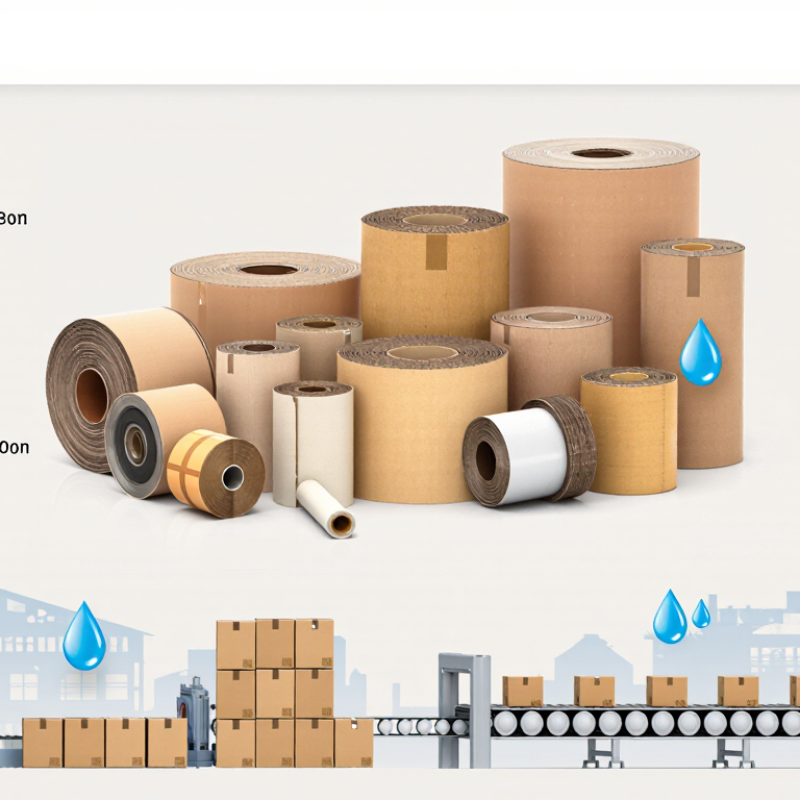
Cardboard cores support winding, storage, and transport across many industries. Yet the market is not one-size-fits-all. Grades range from recycled kraft cores to high-strength virgin-fiber structures. Spiral-wound cores suit general packaging, while parallel-wound cores offer better rigidity for demanding rolls. Moisture resistance matters in humid warehouses and sea freight. Supplier claims need evidence.
Dimensions usually include inner diameter, outer diameter, wall thickness, and length. Even a small diameter error can cause vibration during high-speed converting. Applications cover paper, film, foil, textiles, labels, carpets, and industrial tapes. A textile mill may prioritize smooth surfaces, while a film producer may require tight roundness and stronger compression resistance.
Global demand is influenced by packaging growth, e-commerce shipments, textile output, and regional recycling policies. Buyers should request compression data, moisture details, dimensional tolerances, and production samples. Reliable suppliers also explain how they control glue joints, edge damage, and core collapse. In practical purchasing work, a low unit price often hides higher waste during rewinding. I have seen specifications copied between projects without checking machine compatibility. That approach needs reconsideration. Market comparisons can also be imperfect because regional grades, testing methods, and freight conditions differ. A dependable supplier remains transparent about those limits.
Cardboard Core Market Scope: Global Demand by Application
The chart presents an industry-based 2024 demand mix estimate for cardboard cores, covering major end-use applications rather than individual companies or brands. Packaging films and paper products represent the largest consumption areas because they require reliable winding, storage, and transport support.
Market scope includes spiral-wound and convolute-wound paperboard cores across common inner diameters, wall thicknesses, recycled-content grades, and industrial packaging applications. Percentages are rounded planning estimates for market comparison and exclude supplier-level data.
Supplier Evaluation Metrics: ISO 536 Basis Weight, ISO 287 Moisture, and Tolerances
Top 10 Cardboard Cores Suppliers for Global Buyers
Supplier Evaluation Metrics: ISO 536 Basis Weight, ISO 287 Moisture, and Tolerances
Selecting reliable cardboard core suppliers requires more than comparing price lists. In production audits, I check whether reported basis weight follows ISO 536. This measurement confirms paper mass per square metre. Request test results from several batches, not one perfect sample. A small variation can affect winding strength, cutting accuracy, and finished roll stability.
Moisture deserves equal attention. ISO 287 provides a recognized method for measuring paper moisture content. Suppliers should test samples after proper conditioning and record the sampling location. Moisture that is too high may soften the core and reduce compression resistance. Excessively dry material can become brittle during transport. A certificate looks convincing, but it does not replace physical verification.
Tolerance control reveals operational maturity. Compare stated inner diameter, wall thickness, length, roundness, and edge squareness with your actual machine requirements. Ask how often gauges are calibrated and how rejected cores are handled. Tolerances should appear in the purchase specification, with clear acceptance limits and sampling rules. I have seen suppliers meet average dimensions while missing critical batch limits. That gap can stop an automated line. Buyers should also review packaging, storage conditions, and traceability records. Details matter. Some evaluations still overlook seasonal humidity changes. That is worth reconsidering.
Top 10 Cardboard Core Suppliers: Products, Capacity, Certifications, and Markets
Top 10 Cardboard Cores Suppliers for Global Buyers
The top ten cardboard core suppliers serve paper, film, textile, foil, and packaging manufacturers. Their products include spiral-wound cores, parallel-wound cores, edge protectors, and custom mandrels. Common options include recycled kraft paper, high-strength virgin fiber, moisture-resistant coatings, and printed surfaces. Inner diameters often range from 25 to 500 millimeters, while wall thickness depends on winding tension and load requirements.
Production capacity varies widely. Large facilities may produce several thousand tons monthly, while specialized plants focus on short runs and tight tolerances. Buyers should examine core compression strength, moisture content, joint quality, and dimensional consistency. Reported certifications commonly include ISO 9001, ISO 14001, FSC chain-of-custody, and food-contact declarations where applicable. Certification claims still require verification. Small details matter.
These suppliers reach markets across Europe, North America, Southeast Asia, the Middle East, and South America. Some maintain export warehouses, while others ship directly from mills near major ports. In practical sourcing work, delivery reliability can matter more than a low unit price. A damaged core can stop a winding line within minutes. Buyers should request samples, test certificates, production photos, and recent audit records before approval. Not every supplier publishes real capacity figures. That gap deserves attention. A useful comparison also includes minimum order quantities, pallet protection, lead times, payment terms, and after-sales response. Specifications may look similar, yet performance can differ under heat, humidity, and high-speed winding.
Global Supplier Comparison: MOQ, Lead Times, Export Coverage, and Pricing
Global buyers comparing cardboard core suppliers should examine more than unit price. Smithers’ 2024 paper packaging outlook identifies sustainability, lightweighting, and supply reliability as major purchasing pressures. In practice, standard minimum order quantities often range from 1 to 5 metric tons. Smaller trial orders may cost more per unit. Lead times commonly run from 15 to 30 days, excluding ocean freight and customs clearance.
Export coverage needs separate verification. The World Bank’s 2023 Logistics Performance Index shows wide differences in customs efficiency, infrastructure, and shipment timeliness across markets. A supplier serving several regions may offer stronger documentation and freight coordination. However, “global export coverage” can be overstated. Request recent destination records, Incoterms, packing photos, and test certificates. Pricing should include core diameter, wall thickness, moisture resistance, paper grade, pallet design, and tooling charges. A low quotation can hide expensive tolerances.
For many buyers, landed cost matters more than factory price. Freightos industry data has shown that container rates can change sharply during capacity disruptions and seasonal peaks. Ask suppliers to quote both FOB and delivered scenarios. Confirm whether quoted lead times begin after deposit, artwork approval, or technical confirmation. That detail is easy to miss. I would also compare rejection rates and replacement policies, because a cheaper batch with uneven winding can damage production efficiency. Supplier comparisons remain imperfect without current samples, verified capacity, and a clear pricing validity period.
Buyer Due Diligence: ISO 3037 Crush Testing, Quality Control, and Landed Cost
Top 10 Cardboard Cores Suppliers for Global Buyers
A supplier shortlist means little without measurable evidence. ISO 3037 crush testing checks the edgewise compression strength of corrugated board. Ask for test results showing sample direction, moisture condition, flute profile, and laboratory equipment. A passing number alone is insufficient. The test method and sampling plan matter.
I would request three recent production lots, not one attractive sample. Record basis weight, moisture, caliper, adhesive coverage, core diameter, and winding tension. Quality teams should retain sealed samples for retesting. The World Bank’s 2023 Logistics Performance Index highlights major differences in customs, infrastructure, and shipment reliability across markets. Those differences can damage cores before arrival. The supplier should provide packaging photos, pallet specifications, and humidity controls.
Landed cost needs more than the invoice price. Add tooling, inspection, export packing, inland transport, ocean freight, insurance, duties, port charges, storage, and expected waste. The UNCTAD Review of Maritime Transport 2023 documents continuing volatility in maritime networks and freight conditions. Use a range, not one optimistic quotation. I would also compare delivered cost per usable core, rather than cost per shipped unit. That calculation exposes weak winding, crushed edges, and excess packaging.
My checklist is not perfect. It can miss seasonal moisture changes. Repeat testing after monsoon or winter storage is sensible. Short audit videos help, but an independent inspection remains stronger evidence.