How to Choose Cardboard Tubes for Shipping Efficiently?
When selecting cardboard tubes for shipping, efficiency is key. The right choice can significantly reduce costs and improve delivery time. According to a recent industry report by the Packaging Institute, nearly 30% of shipping costs derive from packaging materials. This statistic underscores the importance of choosing appropriate materials.
"Cardboard tubes for shipping provide strength and versatility," says Dr. Emily Thompson, a logistics expert and author of "The Future of Shipping." She emphasizes that these tubes can protect goods better than other packaging types. However, companies often overlook the importance of tube size and weight, which can lead to inefficiencies.
Ultimately, finding the right cardboard tubes for shipping requires careful consideration. Size, thickness, and durability all play a role in the efficiency of your shipping process. Businesses may need to rethink their packaging strategy to avoid common pitfalls, such as overpaying for materials or risking damage during transit. Understanding these elements can lead to cost savings and enhanced customer satisfaction.

Understanding the Importance of Cardboard Tubes for Shipping
When it comes to shipping, cardboard tubes serve a vital role in protecting and transporting items. They are particularly effective for mailing documents and artwork. The right tube can prevent damage during transit, ensuring your goods arrive safely at their destination. Understanding what makes a good shipping tube can help streamline your operations significantly.
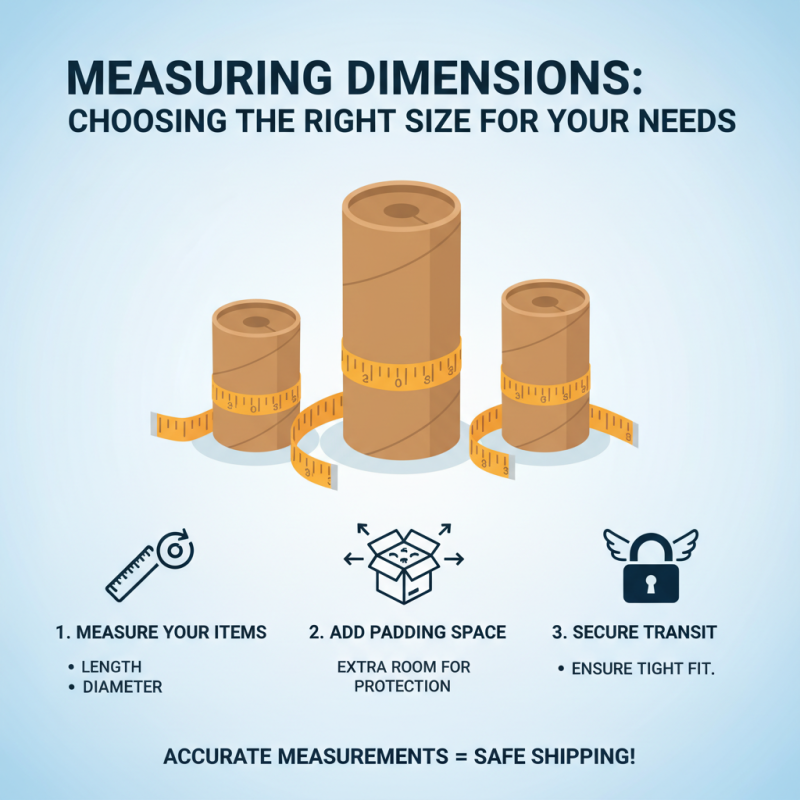
Here are some tips to consider when selecting cardboard tubes. Measure your items carefully to choose the correct diameter and length. A tube that is too small may crush the contents, while an overly large tube can lead to movement and potential damage. Also, consider the weight of the items you are shipping. Heavier items require sturdier tubes for adequate protection.
Not all cardboard tubes are created equal. Pay attention to the thickness and quality of the cardboard. Thinner cardboard may not hold up during transit, resulting in a disappointing experience. It may also be essential to evaluate how you seal the tubes. Proper sealing can impact the security of your items during shipping. Choosing the right materials can be a game-changer in ensuring customer satisfaction.
Types of Cardboard Tubes and Their Suitable Applications
When selecting cardboard tubes for shipping, understanding their types is crucial. There are various kinds, each tailored for specific applications. Standard tubes, typically used for documents or posters, are cylindrical and provide excellent protection against bends. For items like textiles or rolled goods, thicker-walled tubes are necessary. Research indicates that proper tube selection can reduce damages by up to 30%, enhancing delivery efficiency.
Heavy-duty tubes are essential for shipping fragile items. These tubes often feature reinforced ends that prevent impacts during transit. A study from the Corrugated Packaging Alliance revealed that using reinforced structures can improve shipment integrity by nearly 40%. Additionally, specialized tubes designed for artwork or photo prints help preserve the quality of high-value items.
However, the journey doesn’t end with choosing the right tube. Users often overlook the importance of appropriate sealing methods. Inadequate sealing can lead to product exposure, resulting in damage or loss. Regular audits of shipping materials can highlight areas for improvement. Ensuring consistent quality in tube selection and sealing practices is essential for maintaining trust and reliability in shipping operations.
How to Choose Cardboard Tubes for Shipping Efficiently? - Types of Cardboard Tubes and Their Suitable Applications
| Tube Type |
Diameter (inches) |
Length (inches) |
Wall Thickness (mm) |
Suitable Applications |
| Standard Cardboard Tube |
2 |
36 |
1.2 |
Posters, Blueprints, Maps |
| Heavy-Duty Cardboard Tube |
4 |
48 |
2.5 |
Artwork, Fabrics, Cylindrical Items |
| Telescopic Cardboard Tube |
3 |
24-36 |
1.8 |
Photography, Posters, Flexible Lengths |
| Specialty Cardboard Tube |
5 |
30 |
3.0 |
Industrial Parts, Heavy Goods |
Evaluating Durability and Material Quality in Cardboard Tubes
When selecting cardboard tubes for shipping, it's essential to assess their durability. The thickness of the cardboard plays a crucial role in determining how well the tube can protect its contents. A thicker wall can resist impact better, providing more security during transport. However, choosing tubes that are too thick may increase shipping costs. Balancing protection and cost is vital.
Material quality also affects performance. High-quality cardboard tubes are typically made from recycled materials yet maintain structural integrity. They should have a smooth surface to prevent damage to the items inside. Some cardboard tubes may come with a coating, enhancing moisture resistance. Always examine these features; a questionable tube may lead to unsatisfactory results.
Consider the tube length as well. An overly long tube can increase the risk of bending, while a shorter one may not fit the items securely. It is possible to underestimate the importance of selecting the right size and strength. Reflecting on the specifications helps to avoid future shipping mishaps. Choosing wisely is essential for ensuring that products arrive safely at their destination.
Cost Considerations: Balancing Quality and Shipping Efficiency
When selecting cardboard tubes for shipping, cost considerations are paramount. The right balance between quality and efficiency can save significant amounts of money. Low-quality tubes might be cheaper upfront, but they may result in damaged products. This leads to costly returns and unhappy customers. Investing in stronger, more reliable materials can mitigate these issues, ensuring items reach their destination intact.
However, choosing higher quality does not mean overspending. It requires careful evaluation of your specific shipping needs. Consider the dimensions of your items and the shipping method. Custom sizes may optimize space, reducing shipping costs. In many cases, a slightly higher upfront investment in quality tube materials can lead to lower overall expenses in the long run. Remember to analyze both the materials used and the expected durability.
Reflection is crucial too. Are you sacrificing quality for immediate savings? This might backfire. Striking a balance between budget and reliability often requires trial and error. Analyze past shipping successes and failures. Each decision shapes your shipping strategy, reflecting your commitment to both efficiency and customer satisfaction.
Shipping Efficiency vs Cost of Cardboard Tubes
This chart illustrates the relationship between the cost of cardboard tubes and their shipping efficiency. As the cost increases, the shipping efficiency improves, indicating a balance between quality and cost considerations for optimal shipping performance.