Top 10 Heavy Duty Cardboard Tubes for Global Suppliers?
In the competitive landscape of packaging solutions, heavy duty cardboard tubes have emerged as a vital component for many industries. John Smith, a renowned expert in packaging solutions, once stated, “Heavy duty cardboard tubes offer unmatched durability for a variety of applications.” This assertion underscores their significance as reliable containers for shipping and storage.
These tubes are not just about strength; they provide versatility. They can be tailored for different sizes and industries, from textiles to construction. However, the market is flooded with options, creating challenges for both suppliers and customers. Some tubes may not meet rigorous quality standards, leaving users at a crossroads in their selection process.
Navigating the world of heavy duty cardboard tubes requires careful consideration. It's important to assess both functionality and reliability. Ensuring that the chosen supplier upholds industry standards can make all the difference. Ultimately, finding the right product may not be straightforward, but the effort is crucial for successful supply chain management.
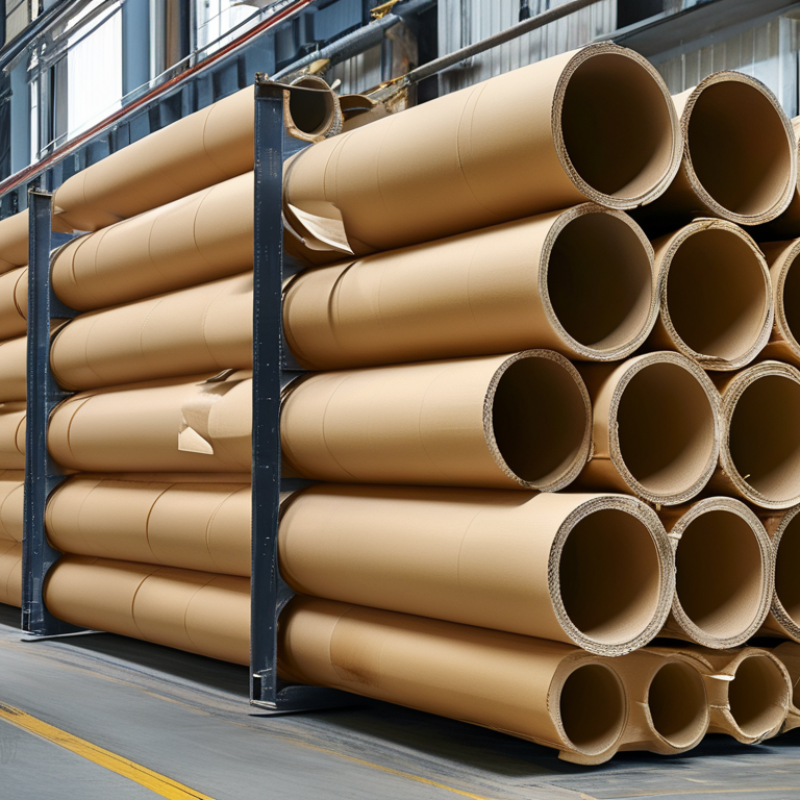
Understanding Heavy Duty Cardboard Tubes and Their Applications
Heavy-duty cardboard tubes serve various applications across industries. These tubes are made from layered paper and are exceptionally strong. Their durability makes them ideal for packaging, shipping, and storage. Businesses often choose them for protecting delicate items during transport. Additionally, they are commonly used in crafting and art projects.
In the construction industry, heavy-duty tubes are utilized for creating structural supports. They are lightweight yet robust, allowing for easy handling. The tubes can also serve as protective casing for wires or cables. However, while they withstand significant pressure, users should assess their limitations regularly. Not every heavy-duty tube is suited for all applications.
Selecting the right thickness and diameter is crucial. A too-thin tube may fail under stress. On the other hand, thicker tubes can be unnecessarily bulky. It’s essential to balance strength with practicality. Regularly reviewing supply choices helps ensure optimal use. This reflective process can enhance operational efficiencies and reduce waste in production lines.
Criteria for Selecting the Best Heavy Duty Cardboard Tubes
When selecting heavy-duty cardboard tubes, several criteria come into play. First, consider the thickness of the cardboard. A thicker wall provides better protection, reducing the risk of damage during transit. Look for tubes that have a minimum wall thickness of 0.1 inches. This helps in handling heavier loads or protecting delicate items.
Next, evaluate the diameter and length options available. The size should match your specific packaging needs. Different projects may require varying dimensions. Additionally, ensure that the ends of the tubes are properly sealed. This prevents moisture and dust contamination, keeping the contents safe.
The strength-to-weight ratio is also crucial. Lighter tubes can be easier to handle, but they must not compromise on strength. Test the tubes to see how they perform under stress. Lastly, analyze the supplier’s reliability. Their history and reviews can provide insight into quality control measures and overall customer satisfaction. Selecting the right heavy-duty cardboard tube can significantly impact shipping efficiency and product safety.
Top Global Suppliers of Heavy Duty Cardboard Tubes
When seeking heavy-duty cardboard tubes, reliability and quality are essential. Various suppliers around the globe specialize in providing durable and effective packaging solutions. These suppliers understand the specific needs of industries such as construction, shipping, and manufacturing. Their expertise allows them to produce tubes that withstand pressure and protect contents during transit.
Many suppliers focus on using eco-friendly materials. This approach aligns with the growing demand for sustainable packaging. Some manufacturers also offer custom sizes to meet diverse client needs. Their ability to adapt quickly is vital in the fast-paced market. However, not all suppliers maintain consistent quality. It's crucial to evaluate their track record and client feedback before making a decision.
While searching for the best options, pay attention to details. Understand the specifications of different products. Consider the type of materials used and the production methods. Evaluating these factors can reveal potential gaps in quality. Reliable suppliers often have robust quality control measures in place. But, even established brands occasionally face challenges, making it important to stay informed and cautious.
Comparative Analysis of Features in Leading Cardboard Tubes
When selecting heavy-duty cardboard tubes, companies should consider various features that influence performance. Thickness is a critical factor. Research shows that tubes with a wall thickness of 3 mm or more can withstand considerable pressure, making them suitable for various applications. Durability is another essential attribute. A comparative analysis indicates that tubes treated with specific coatings can resist moisture and prevent collapse during transit.
Moreover, the load-bearing capacity of the cardboard tubes affects packaging efficiency. According to industry reports, tubes that meet or exceed a 25 kg load capacity are vital for heavy goods. Factors such as the diameter and length of the tubes are also significant. Standard diameters generally range from 1 to 10 inches, providing flexibility for different shipping needs. However, some suppliers may overlook the importance of ensuring uniformity in tube dimensions, which could lead to logistic challenges.
Another aspect worth noting is cost-effectiveness. While investing in high-quality materials is crucial, suppliers should evaluate the total lifecycle cost. This includes durability, reusability, and potential recycling benefits. Some manufacturers have reported a 15% increase in shipping efficiency when using optimized designs. Balancing these elements can lead to improved operational performance, yet many organizations still grapple with achieving the ideal combination of features for their specific requirements.
Top 10 Heavy Duty Cardboard Tubes - Comparative Analysis
Trends and Innovations in Cardboard Tube Manufacturing
Cardboard tube manufacturing has seen remarkable trends and innovations recently. Manufacturers are now focusing on sustainability. Many are using recycled materials and eco-friendly adhesives. This can significantly reduce waste. Yet, not every supplier can ensure the same level of environmental commitment. It's essential to verify their practices. Evaluating supply chains may reveal surprising insights into eco-efforts.
Suppliers are now offering tailored solutions for specific needs. Industries require tubes in various sizes and strengths. Innovations in production techniques allow for flexibility. Producers can meet diverse market demands efficiently. However, rapid changes can challenge quality control. Companies need to maintain rigorous standards amid these shifts.
Automation is becoming more prevalent in manufacturing processes. This improves efficiency and reduces labor costs. Yet, it can lead to concerns about job losses. Balancing technology and employment remains a challenge. Industries must embrace innovation while considering their workforce. As trends evolve, it is crucial to reflect on how these changes impact both production and the environment. The future of cardboard tubes depends on navigating these complexities skillfully.