What are the Different Sizes of Cardboard Tubes for Purchase?
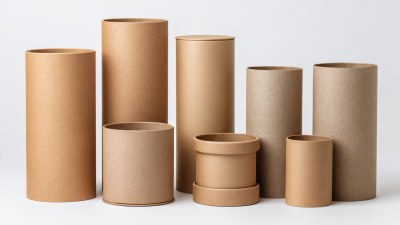
Cardboard tubes come in various sizes, making them versatile for different applications. Whether you're packaging products or crafting unique items, understanding cardboard tube sizes is essential. From small tubes ideal for crafts to larger ones suited for shipping posters, size plays a crucial role.
Many businesses may overlook the importance of selecting the right cardboard tube size. A too-small tube can damage items, while an oversized tube wastes materials and space. Therefore, knowing the specific dimensions and types available can help optimize both storage and shipping processes.
In the market, sizes can vary widely. Common options include diameters ranging from one inch to several inches, and lengths that can extend up to several feet. Selecting the right size ensures that your products are protected and presented well. As you explore the options, remember to reflect on your unique needs and the application for which you require these tubes. This careful consideration can save resources and enhance your overall project or business efficiency.

Types of Cardboard Tubes: An Overview of Sizes Available
When exploring the world of cardboard tubes, one finds a variety of sizes that cater to different needs. Standard diameters often range from 1 inch to 12 inches or more. Lengths can vary dramatically, reaching anywhere from a few inches to several feet. This diversity allows for uses in crafts, packaging, and even construction projects.
Smaller tubes are ideal for arts and crafts. They are easy to handle and perfect for kids. Larger tubes, on the other hand, serve commercial purposes like shipping and product protection. Some tubes are designed for specific uses, such as holding posters or blueprints. Each type has its unique advantages based on the application.
Choosing the right size may seem straightforward, but it often requires careful consideration. Not all projects need the same dimensions. The fit can impact functionality and aesthetics. This is especially true in packaging, where a snug fit can minimize movement during transport. Sometimes, experimenting with different sizes leads to the best solution. A little extra effort in selection can pay off significantly in terms of durability and presentation.
Standard Sizes of Cardboard Tubes for Various Applications
When selecting cardboard tubes, size is crucial. Different applications call for specific dimensions. Standard sizes range from small tubes with a diameter of 1 inch to larger options that can reach 8 inches or more. Smaller tubes are often used for arts and crafts, while larger ones serve in packing and shipping.
The length of the tube also varies. Common lengths include 12 inches, 24 inches, and even 48 inches. A standard 3-inch diameter tube is a favorite for mailing posters. However, the right size depends on the specific use. Consider how tightly your items fit. A snug fit can prevent damage during transport, yet overstuffing can lead to unnecessary costs.
Experimenting with less common sizes can lead to new solutions. For instance, custom sizes address unique project needs. This flexibility can enhance efficiency. However, sourcing these specific dimensions can become a challenge. Always verify the supplier’s credibility for quality assurance. Reliable sourcing is key for consistency in your projects.
Custom Sizes: Tailoring Cardboard Tubes to Specific Needs
Custom sizes for cardboard tubes can greatly enhance their utility in various applications. When standard sizes don’t fit, opting for customized solutions is wise. Whether for packaging, crafts, or storage, tailor-made tubes offer flexibility. A well-designed tube can secure items better and reduce waste.
When considering customization, it’s essential to measure your requirements accurately. This includes length, diameter, and wall thickness. Each measurement plays a crucial role in the tube's overall effectiveness. Also, think about your specific use case. For storing delicate items, thicker walls may provide the necessary protection.
Tips to keep in mind: always request samples before finalizing an order. This helps in assessing quality. Consider the materials used for the tubes. Eco-friendly options are available, which can enhance your brand's image. Additionally, factor in production time when planning your project. Customized items often require longer lead times, so plan accordingly to avoid delays.
What are the Different Sizes of Cardboard Tubes for Purchase?
| Tube Diameter (inches) |
Tube Length (inches) |
Wall Thickness (inches) |
Typical Use |
| 1 |
12 |
0.045 |
Craft Projects |
| 2 |
6 |
0.035 |
Art Supplies |
| 3 |
36 |
0.060 |
Shipping Tubes |
| 4 |
48 |
0.080 |
Poster Tubes |
| 5 |
24 |
0.050 |
Display and Packaging |
| 6 |
20 |
0.070 |
Industrial Applications |
Comparative Analysis: Small, Medium, and Large Cardboard Tubes
When considering cardboard tubes, sizes play a crucial role. Small cardboard tubes are typically around 1-2 inches in diameter and 6-12 inches in length. These tubes are ideal for crafts, packaging small items, or even as educational tools. They are lightweight and easy to store, making them a favorite for DIY enthusiasts. However, their limited capacity can be a drawback for larger projects.
Medium tubes usually range from 3-4 inches in diameter and 12-36 inches in length. These tubes offer more versatility. Artists often use them for larger craft projects or as supports for posters and other artwork. They hold more weight than smaller tubes but may still lack the durability needed for heavy-duty applications. It's essential to think about the intended use carefully.
Large cardboard tubes can reach 6 inches in diameter or more, often exceeding 36 inches in length. These tubes are perfect for shipping large items, such as posters and architectural plans. They provide excellent protection and support. Nonetheless, their size can also make them cumbersome to handle and store. Potential users should evaluate their space and storage capabilities before opting for large tubes.
Usage Recommendations for Different Sizes of Cardboard Tubes
Cardboard tubes come in various sizes, each suited for specific applications. Larger tubes, typically measuring around 3-6 inches in diameter, are often utilized in industrial settings. They are ideal for shipping heavy rolls of paper or fabric. A report by the Package Research Laboratory highlights that approximately 70% of businesses prefer using larger tubes for bulk material transport. This efficiency reduces costs and enhances product safety during shipment.
Smaller cardboard tubes, with a diameter of 1-2 inches, are commonly used in retail packaging. These tubes are perfect for holding products like cosmetics or promotional items. According to a recent market analysis, about 40% of retailers find these sizes particularly beneficial for attracting customers. Their compact design makes them versatile and easy to stack, facilitating efficient store displays.
However, selecting the correct size is vital. Using an oversized tube may lead to increased shipping costs and waste. Conversely, a small tube could damage fragile items. Industry professionals recommend assessing the product dimensions carefully before purchasing. This attention to detail ensures that items arrive intact while optimizing supply chain efficiency.