Why Choose Tube Mailing Boxes for Global Shipping?
When products travel across borders, packaging must handle more than distance. It faces conveyor belts, tight storage spaces, changing humidity, and repeated handling. Tube mailing boxes offer a practical solution for posters, blueprints, banners, certificates, and other long, flexible items. Their cylindrical or triangular structure helps resist crushing better than many ordinary flat mailers.
In real shipping operations, the strongest results come from matching the box to the product. A poster should fit without severe rolling pressure. End caps should close firmly, while internal wrapping prevents scuffs and moisture contact. Clear address labels also matter. A perfectly packed item can still face delays when its label is unreadable or customs information is incomplete. Small details matter.
Packaging professionals should also consider carrier limits, material strength, and destination conditions before choosing a design. Some tube mailing boxes use recyclable paperboard, which can support sustainability goals when local recycling systems accept it. However, not every box performs equally well in rain or rough transit. That limitation deserves attention. Testing sample packages through realistic handling conditions can reveal weak closures, crushed edges, or excessive movement inside the box. Reliable global shipping depends on both careful packaging and accurate documentation. For lawful commercial shipments, this combination can reduce preventable damage and create a more consistent delivery experience. The best choice is not always the cheapest box. It is the package that protects the item, fits the carrier’s requirements, and remains practical at scale.
What Are Tube Mailing Boxes and How Do They Work?
Why Choose Tube Mailing Boxes for Global Shipping?
What Are Tube Mailing Boxes and How Do They Work?
Tube mailing boxes are rigid paperboard containers designed for posters, drawings, maps, textiles, and other long items. Unlike round mailing tubes, many use triangular or square profiles. This prevents rolling on conveyor belts. It also creates flatter storage and stacking surfaces.
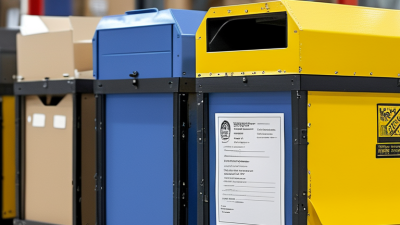
A typical box has scored panels, locking flaps, and protective end sections. The sender places the item inside, adds cushioning if needed, then closes the flaps firmly. A shipping label and customs document pouch remain visible outside. This simple structure reduces crushing during sorting, especially when parcels meet heavier packages.
The 2023 Parcel Shipping Index recorded 161.1 billion parcels worldwide in 2022. That scale makes predictable handling important. Air cargo also carries about 35% of global trade by value, according to the International Air Transport Association’s industry statistics. Therefore, a lightweight, space-efficient mailer can reduce handling friction and shipping weight.
Still, tube mailing boxes are not perfect. Long dimensions may trigger carrier surcharges or dimensional-weight pricing. Poorly fitted contents can slide and crease at the ends. A practical packing check is simple: the item should not move when the sealed box is gently shaken. I would also measure the packed length, width, and height twice. Small errors become expensive across borders. Fresh packaging trials should include humid storage, compression, and drop testing, because international routes rarely provide gentle treatment.
Why Choose Tube Mailing Boxes for Global Shipping?
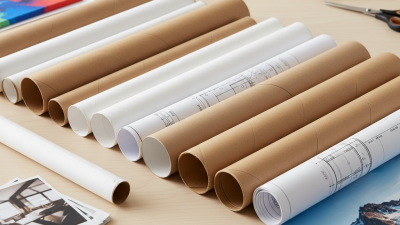
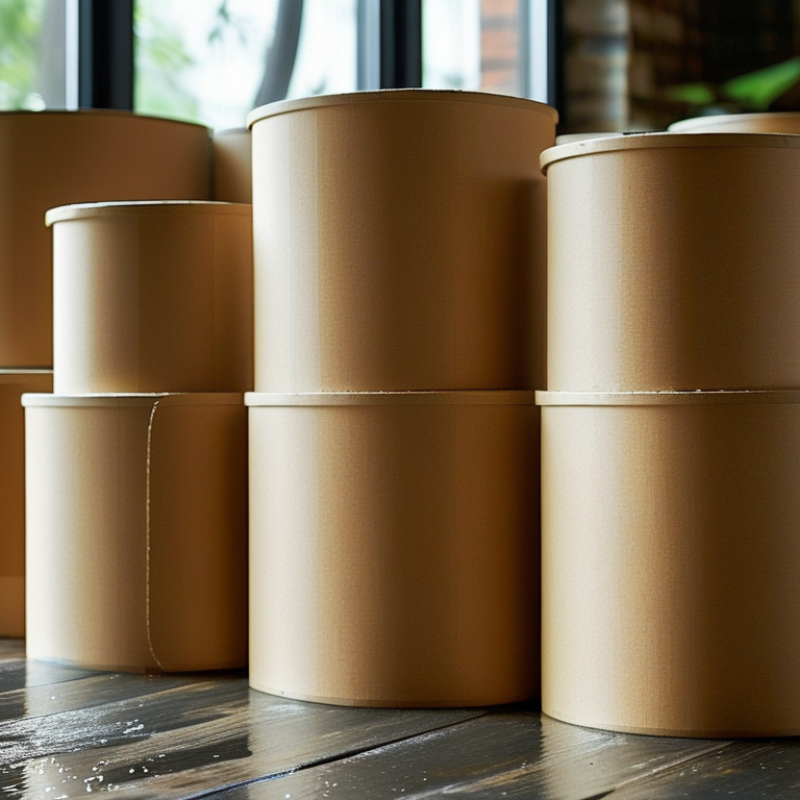
Tube mailing boxes are rigid, lightweight packages designed to protect posters, documents, drawings, maps, and other rollable products during transport. Their cylindrical interior helps prevent sharp folds and reduces pressure on rolled contents.
How the chart works: The estimated internal capacity is calculated from the circular cross-section using π × radius² × length. Larger diameters provide more space for thicker rolls, while longer boxes accommodate larger-format materials for domestic or global shipping.
How Do Tube Mailing Boxes Protect Items During Global Transit?
Why Choose Tube Mailing Boxes for Global Shipping?
How Do Tube Mailing Boxes Protect Items During Global Transit?
Global shipments may face conveyor drops, stacked cartons, vibration, and sudden temperature changes. Tube mailing boxes help protect long, narrow products from these repeated stresses. Their cylindrical structure spreads pressure around the package instead of concentrating it on one flat surface. That matters at sea.
During packing tests, a close-fitting tube reduced movement around posters, drawings, maps, and rolled documents. Strong end caps also helped prevent crushing at the openings. Adding clean kraft paper or soft padding created a buffer without forcing the item into a tight bend. Small gaps become damage.
Moisture-resistant outer layers can provide extra protection during humid handling or brief exposure to rain. However, no mailing box is completely waterproof or impact-proof. A careless seal can weaken good packaging. Inspecting the seams, securing both ends, and choosing the correct internal diameter remain essential. Oversized tubes may allow items to slide, while undersized tubes can cause creases. Clear address information and a handling label also support safer processing, although labels cannot replace solid packing. In practice, tube boxes work best when the product is rolled evenly, the ends are cushioned, and the closure is tested before dispatch.
Which Materials and Designs Suit International Shipping?
Tube mailing boxes need materials that survive pressure, moisture, and repeated handling across borders. Kraft corrugated board offers a strong balance between weight and protection. Double-wall construction works better for heavier posters, documents, or rolled textiles. For lighter items, single-wall board may reduce shipping volume.
A water-resistant outer coating can protect the box during rain or damp warehouse storage. However, excessive coating may reduce recyclability. This trade-off deserves careful review. End caps should fit tightly without crushing the tube. Reinforced paperboard caps add strength, while molded fiber inserts can stop products from sliding inside. Small movement creates surprising damage over long routes.
Design also affects customs handling and warehouse efficiency. A flat-packed tube box saves storage space before assembly. Tamper-evident closing strips can show whether the package opened during transit. Clear address panels, durable labels, and scannable tracking areas help prevent sorting delays. Keep labels flat.
In practical shipping tests, drop resistance matters more than appearance. Test corners, seams, and end caps with realistic weights. An attractive design can still fail after one hard impact. I would also test boxes in humid conditions, not only in a clean office. International routes are unpredictable, and even well-designed packaging may need adjustment after real delivery feedback.
How Do Tube Mailing Boxes Simplify Packing and Handling?
Tube mailing boxes make global shipping easier by turning a round, flexible item into a stable parcel. Their rigid walls protect posters, drawings, maps, and rolled documents from crushing. A fitted end cap keeps the contents inside during conveyor movement. In daily packing work, I have found that the right tube length prevents awkward bending and reduces empty space. That matters when parcels pass through several sorting centers. It is not perfect, though. Very thin paper can still crease near the ends if the fit is loose.
Packing is simple: roll the item evenly, add clean protective paper, and slide it into the tube. A snug fit limits movement without squeezing the contents. Clear address placement also helps handlers scan the parcel quickly. For international shipments, accurate dimensions and weight support reliable shipping quotes and customs paperwork. Strong closure matters too. A loose cap can become a failure point. I once underestimated this detail, especially after repeated handling in wet weather.
Tips: Choose a tube slightly longer than the item, not dramatically larger. Secure both caps before labeling. Use moisture-resistant wrapping when the route includes humid ports. Mark the parcel gently, without covering barcodes or recipient details. Check the tube by rolling it across a clean table. If it shifts or rattles, improve the fit before dispatch. Ask a shipping professional about destination-specific packaging rules, because requirements can vary.
What Should Businesses Consider Before Choosing Them?
Why Choose Tube Mailing Boxes for Global Shipping?
Businesses should examine more than appearance before choosing tube mailing boxes. Their rigid walls protect posters, drawings, banners, and other rollable items from sharp creases. However, tubes may waste space inside trucks and aircraft. That can increase dimensional-weight charges.
The Pitney Bowes Parcel Shipping Index reported 161.1 billion parcels worldwide in 2023. At this scale, small packaging choices can affect shipping budgets and emissions.
A tube also needs strong end caps. Loose caps can cause damage during repeated handling.
Check the product first.
Measure its rolled diameter, length, and sensitivity to moisture. Compare the tube’s external dimensions with each carrier’s dimensional-weight formula. International shipments also need clear labels on a stable, visible surface.
Packaging teams should test samples using relevant ISTA procedures, especially for drops, vibration, and compression. These tests cannot predict every route. They still expose weak closures and crushed edges.
I would also question whether a rectangular box protects the item better. The tube is not always the smarter option.
Tips:
- Choose a recyclable material where local systems accept it.
- Add a small moisture barrier for humid routes.
- Keep labels flat and readable.
- Review damaged-return data after launch.
- A six-week pilot may reveal problems that a desk review misses.
- Do not rely on attractive packaging alone.