What is a Cardboard Core and Its Uses in Packaging?
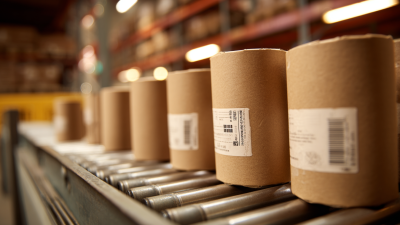
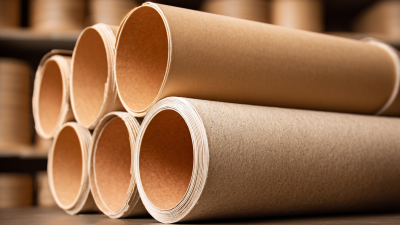
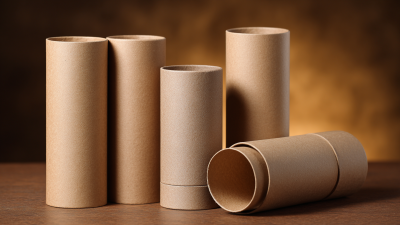
Cardboard cores play a significant role in the packaging industry. These cylindrical structures are made from cardboard and have various applications. Companies often rely on them for enhancing product integrity. They provide a solid support for rolled materials like tape, films, and fabrics.
The versatility of cardboard cores is notable. They offer a lightweight solution for packaging needs. Their strength helps in maintaining the shape of products during shipping and handling. Many manufacturers value them for being eco-friendly and recyclable. Such features align well with sustainable practices in the industry.
However, the process of using cardboard cores is not without challenges. Quality control is crucial to ensure they meet industry standards. Companies need to assess their suppliers for reliability. Sometimes, variations in manufacturing can affect the performance of these cores. Being aware of these factors is essential for businesses seeking efficient packaging solutions.
What is a Cardboard Core?
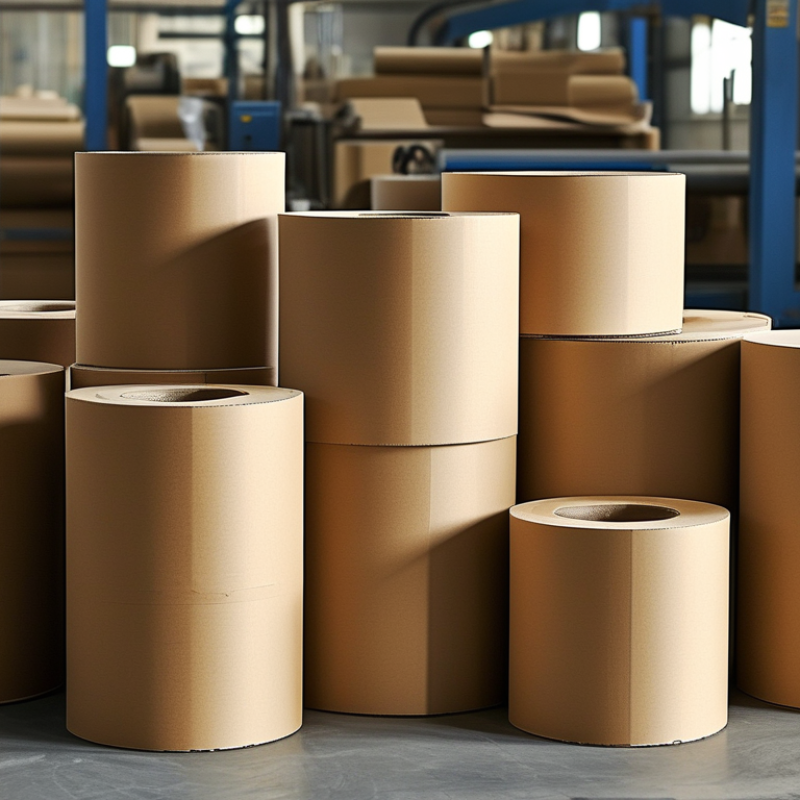
A cardboard core is a cylindrical structure made from layers of cardboard. It is often used in various packaging applications. These cores are lightweight yet strong, making them ideal for supporting rolled materials. Common materials rolled on cardboard cores include paper, film, and textiles.
According to a recent industry report, the global cardboard core market is projected to grow significantly. The market is expected to reach a value of approximately $3.5 billion by 2025. This growth is driven by increasing demand for eco-friendly packaging solutions. Cardboard cores are recyclable and reduce waste, appealing to sustainability-conscious consumers.
Cardboard cores are versatile. Their sizes can be customized for specific needs. They can range from small diameters of a few inches to large industrial sizes. However, manufacturers must ensure the quality of the cardboard used. Poor quality can lead to structural failures. Empty cores are often discarded, yet they can be reused for various purposes in DIY projects or storage solutions. This potential for reuse is often overlooked. The industry still faces challenges in optimizing the strength-to-weight ratio of these cores while maintaining cost-effectiveness.
What is a Cardboard Core and Its Uses in Packaging?
| Dimension |
Description |
Uses in Packaging |
| Length |
The length of the cardboard core can vary from a few inches to several feet. |
Used for rolls of paper, plastic wrap, or other materials that require a central support. |
| Diameter |
Typically ranges from 1 inch to several inches depending on the application. |
Supports various roll sizes for packaging materials, such as films and textiles. |
| Wall Thickness |
Usually between 0.05 inches to 0.25 inches or more based on strength requirements. |
Provides durability for heavy-duty applications and prevents bending or crushing. |
| Material |
Made from recycled cardboard, which is eco-friendly. |
Preferred choice for sustainable packaging solutions in various industries. |
| Weight |
Generally lightweight, often less than 1 pound for standard sizes. |
Minimizes shipping costs and is easy to handle in manufacturing processes. |
| Applications |
Commonly used in the textile, paper, and film industries. |
Essential for storing and transporting various materials securely. |
Composition and Manufacturing Process of Cardboard Cores
Cardboard cores are essential components in the packaging industry. Their manufacturing starts with selected cellulose fibers. These fibers are layered and pressed to form a consistent thickness. Typically, the core's diameter ranges from a few inches to several feet. This variation serves different packaging needs.
During production, the drying phase is crucial. Moisture levels must be controlled to ensure the cores maintain structural integrity. According to industry reports, over 80% of packaging involves some form of cardboard core. This highlights their importance in creating sustainable packaging solutions. However, not all facilities adhere to best practices, which can lead to inconsistencies in quality.
The ecological benefits are significant. Cardboard cores are recyclable, promoting sustainable practices. Surprisingly, many consumers are unaware of this feature. Yet, the reliance on efficient recycling processes is still trending upwards. In fact, the global recycled packaging market is expected to reach over $500 billion by 2027. However, ongoing challenges exist in collecting and processing these materials efficiently.
Common Applications of Cardboard Cores in Packaging
Cardboard cores are essential in packaging, offering a versatile solution for various applications. These cylindrical structures serve as the backbone for many products, providing strength and stability. In the paper industry, for instance, 40% of paper rolls are packaged with cardboard cores. They offer excellent support and are lightweight, making them the preferred choice for manufacturers.
In textiles, cardboard cores are widely used to hold fabric rolls. This usage helps prevent creasing and damage during transportation. Research indicates that around 30% of all textile manufacturers utilize cardboard cores to ensure their products maintain quality during shipping. Moreover, industries like food and cosmetics also rely on these cores for secure packaging of their items. The reliability and cost-effectiveness of cardboard make it a necessary component of modern packaging solutions.
Despite their advantages, there are challenges. Not all cardboard cores are biodegradable, leading to environmental concerns. The production process can also result in waste, as defective cores may arise. Industry experts suggest continuous improvement in manufacturing practices to enhance sustainability. Companies are exploring options for recycling and reusing cardboard cores to minimize their environmental footprint. These considerations are key as industries strive for responsible packaging solutions.
Advantages of Using Cardboard Cores in Packaging Solutions
Cardboard cores are cylindrical tubes made from layered cardboard. They offer significant advantages in packaging solutions. One notable benefit is their lightweight nature. This reduces shipping costs and makes handling easier. Additionally, cardboard cores are recyclable, which supports sustainable packaging practices. Their sturdy design provides structural integrity, protecting contents during transportation.
Using cardboard cores can also enhance organization in packaging. They are ideal for wound materials like films and textiles. Products can be stored on these cores, minimizing damage and waste. However, the durability of cardboard in high-moisture environments can be a concern. Companies should evaluate the conditions before use.
Finally, employing cardboard cores can lead to innovative packaging solutions. They can be customized for various applications, making them versatile. The production process is less resource-intensive than plastic alternatives. As businesses strive for eco-friendly practices, cardboard cores present a compelling option. They can aid sustainability while meeting packaging needs effectively.
Sustainability and Environmental Impact of Cardboard Cores
Cardboard cores play a vital role in packaging, often overlooked in sustainability discussions. Made from recycled materials, they are biodegradable. This aligns with eco-friendly practices, reducing waste. Yet, the production process still has an environmental impact. It's essential to evaluate each step of the supply chain, from sourcing materials to distribution.
Tips: Consider choosing cores that are certified by environmental standards. They can provide peace of mind regarding sustainability claims.
Even though cardboard is more sustainable than plastic, not all products made from cardboard are created equal. Some have coatings or additives that make them less recyclable. Businesses must remain vigilant in understanding the materials used in their packaging solutions.
Tips: Look for transparent suppliers who disclose their material sources. This transparency is crucial for making informed choices in packaging.