How to Choose the Best Cardboard Cores for Your Needs?
Choosing the right cardboard cores for various applications can be challenging. As a leading expert in the cardboard industry, Dr. Elaine Thompson emphasizes, "The perfect core makes all the difference in performance." Selecting the right cardboard cores ensures optimal support and durability, whether for packaging or manufacturing.
When considering cardboard cores, factors like material strength and diameter are crucial. Not all cores are created equal. A well-chosen core can support heavy loads and prevent damage. However, making the wrong choice can lead to product failures. The market offers many options, which can be overwhelming. It's vital to identify specific needs before making a decision.
Understanding the intended use of cardboard cores is the first step. Each application may require different specifications. Knowing what you need helps narrow down choices. This process may require some trial and error. Reflecting on past choices will guide future decisions. Ultimately, the right cardboard core not only enhances product integrity but also contributes to overall efficiency.

Understanding the Types of Cardboard Cores Available in the Market
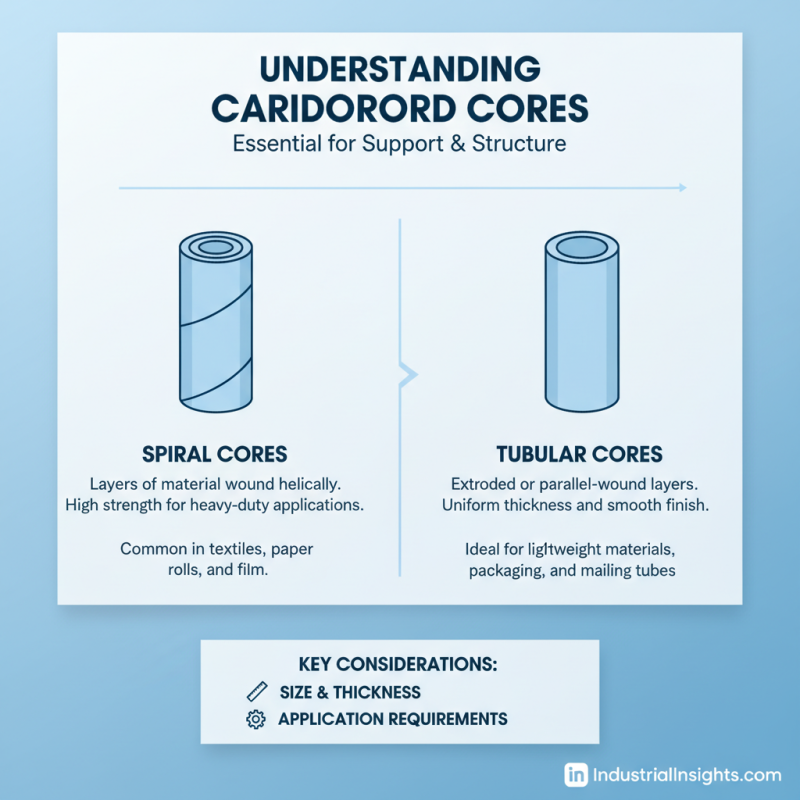
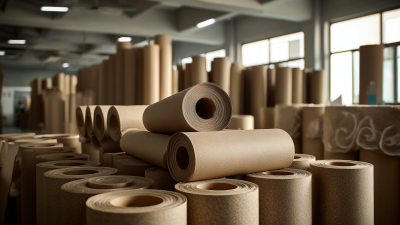
When selecting cardboard cores, it's crucial to understand the types available. Cardboard cores are essential in many applications, providing support and structure. They come in different sizes and thicknesses, catering to diverse needs. Typically, you’ll find two main types: spiral and tubular cores.
Spiral cores are wound from layers of cardboard. They offer good strength and are lighter. Their flexibility makes them suitable for various projects, such as packaging and textiles. Tubular cores, on the other hand, are solid and often sturdier. They can handle heavier loads, making them ideal for industrial use, like holding rolls of paper or film.
When making your choice, consider how you will use the core. This decision impacts the durability and performance. Reflect on whether the core's shape and strength suit your specific application. Using inappropriate cores may result in product damage or inefficiencies. Each type presents advantages and limitations, requiring thoughtful assessment to ensure it fits your needs.
Evaluating the Size and Strength Requirements for Your Project
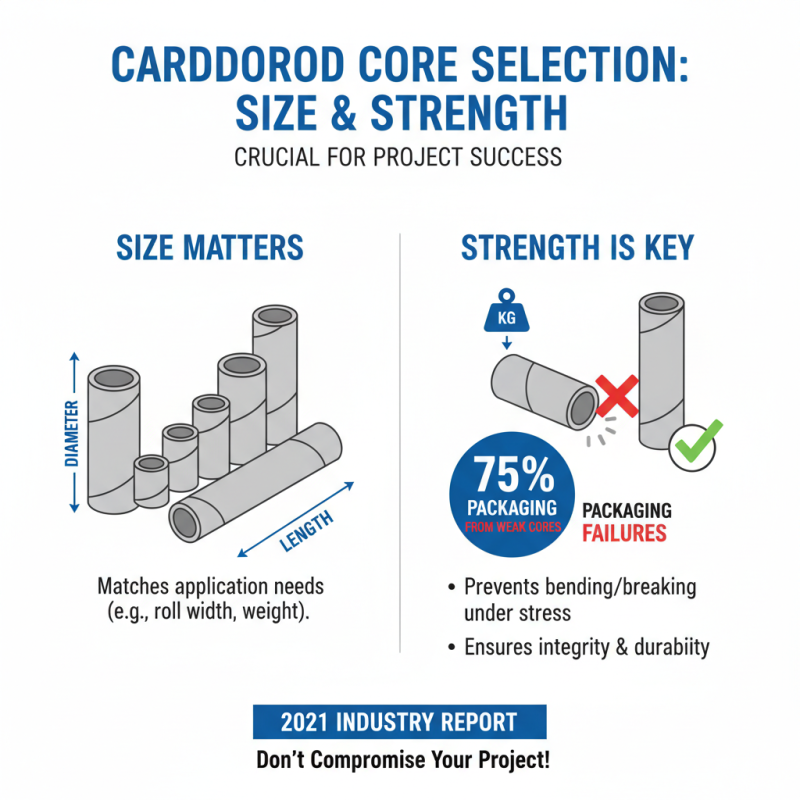
When evaluating cardboard cores for your project, size and strength are crucial factors. Different applications require different specifications. A 2021 industry report noted that 75% of packaging failures stem from inadequate core strength. This highlights the importance of selecting cores that can withstand the required stress without bending or breaking.
Consider the diameter, length, and thickness of the cores. Larger diameters often offer increased durability, but may not fit smaller machines. A mismatch can lead to inefficiencies, ultimately increasing costs. Strength is similarly vital. A core’s burst strength can dictate how much weight it can support. Inappropriate strength can result in product loss or damage during transport.
Real-world testing is often necessary. A laboratory analysis showed that 30% of cores did not meet their advertised specifications. This reveals potential quality control issues in the industry. Even reputable suppliers can have discrepancies. Therefore, always verify core specifications against actual performance data before making a purchase.
Identifying the Best Material Specifications for Your Needs
When selecting cardboard cores, material specifications play a crucial role. Different applications may require varying thicknesses and strengths. For example, thicker cores offer greater durability, making them ideal for heavy materials. Conversely, thinner options provide flexibility for lighter applications. Identify your specific needs to determine the best fit.
In addition to thickness, consider the type of cardboard used. Recycled cardboard might be more environmentally friendly but may not provide the same strength. High-density cardboard can withstand more pressure but may be less cost-effective for certain uses. Balance your budget with performance requirements for optimal results.
Lastly, don't ignore the core's finish. Smooth finishes work well for printing and aesthetics, while rough finishes provide better adhesion for coatings and tapes. Regular assessment of your needs is vital as applications change over time. Reflecting on these aspects helps ensure you choose the best cardboard cores for your projects.
Considering Cost-Effectiveness and Supplier Reliability
When selecting cardboard cores, supplier reliability plays a crucial role in ensuring consistent quality. A recent industry report indicated that 70% of businesses prioritize working with suppliers who have established reputations. Suppliers' track records often reflect their commitment to quality control and efficient delivery. Working with reliable suppliers reduces the risk of production delays and ensures a steady supply of materials.
Cost-effectiveness should not compromise quality. It is essential to analyze the balance between price and reliability. In a survey, 55% of companies reported that lower costs sometimes led to subpar products. Investing in higher-quality cores can reduce waste and enhance product performance. Choosing a more reliable supplier may cost more upfront but often results in long-term savings.
Vetting potential suppliers is vital. Look for those with positive reviews and industry certifications. Case studies show that companies using certified suppliers have 30% fewer quality issues. Transparency in pricing and communication is equally important. Suppliers that provide clear information build trust. However, some suppliers may promise low prices while lacking transparency, which can lead to unexpected costs later.
Analyzing Environmental Impact and Sustainability Options in Cardboard Cores
When selecting cardboard cores, it's crucial to consider their environmental impact. Many options are available, but not all are created equal. Sustainable cardboard cores are made from recycled materials. These alternatives reduce waste and resource consumption. Look for products that prioritize eco-friendliness in their production processes.
The manufacturing of cardboard can have a significant carbon footprint. Evaluation of a product's lifecycle is essential. Are the materials sourced responsibly? How is waste managed during production? These questions help identify truly sustainable options. Additionally, some cores can be reused or recycled after their initial lifecycle. Choosing these options can contribute to a circular economy.
It's essential to be aware that not all cardboard is recyclable. This varies by location and the type of adhesive used. Sometimes, products marketed as eco-friendly may not hold up under scrutiny. Researching certifications and industry standards can provide clarity. Knowledge of these factors can guide users toward more responsible decisions in their core selection.