Why Choose Paper Tube Packaging for Your Products?

When customers open a product, packaging speaks before the product does. Paper tube packaging offers a tactile, structured alternative to flexible bags and rigid plastic containers. Its spiral-wound body feels firm in the hand, while a smooth printed label can communicate brand values quickly. For brands selling tea, cosmetics, candles, snacks, or promotional goods, that first impression can influence trust. It feels different. Yet appearance alone is not enough. A responsible choice must protect the product, suit distribution conditions, and avoid creating unnecessary waste.

Practical packaging evaluations show that tube performance depends on construction details. Wall thickness, inner lining, closure design, and adhesive quality all affect durability. A tube used for dry tea needs different protection from one holding a scented candle. Moisture, pressure, oil migration, and temperature changes should be tested before launch. Drop tests and compression checks reveal weaknesses that a sample table may hide. Details matter. Suppliers should provide clear material specifications, production tolerances, and relevant safety documentation. When recycled paper or certified fibers are used, claims should match verifiable records instead of vague green language.

This article examines why paper tube packaging may support product protection, shelf appeal, and more thoughtful material use. It also considers its limitations. Tubes can require additional barriers, specialized filling equipment, or careful recycling guidance. They are not automatically sustainable. That assumption is incomplete. Cost, supply consistency, printing quality, and end-of-life conditions deserve equal attention. By comparing these factors with a product’s real needs, businesses can make a sounder decision. The strongest packaging choice is not always the most fashionable one. It should perform reliably, communicate honestly, and avoid shifting hidden problems elsewhere.
Why Choose Paper Tube Packaging for Your Products?

What Is Paper Tube Packaging?

What Is Paper Tube Packaging?

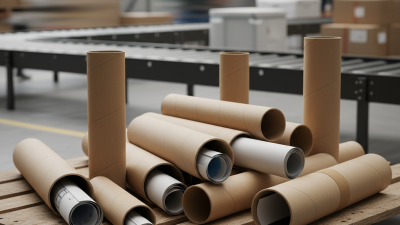
Paper tube packaging is a cylindrical container made from tightly wound paperboard layers. Manufacturers bond these layers with adhesive, then add paper, printed film, or another outer finish. The tube may include metal, plastic, or paper end caps. Its structure protects products from pressure, dust, and light during storage and transport.

You may see paper tubes for cosmetics, tea, candles, posters, and dry food products. Their round shape feels distinctive in the hand and uses less rigid material than many traditional boxes. However, the design is not automatically sustainable. Mixed materials, strong coatings, and unsuitable adhesives can make recycling more difficult. A packaging specialist should check product contact requirements, moisture resistance, compression strength, and local recycling systems. In practical testing, a filled tube should survive stacking, opening, and repeated handling. Small failures matter. A loose lid can damage the customer’s experience.

Tips: Choose a diameter that prevents unnecessary filler. Test the tube with the real product, not an empty sample. Check whether the paperboard suits your storage humidity. Ask suppliers for material specifications and recycling guidance. Keep graphics readable around the curved surface. Avoid claiming full recyclability without verifying every component. I have found that simple structures often perform better, although they may look less impressive at first.

How Paper Tube Packaging Is Made and Designed

Why Choose Paper Tube Packaging for Your Products?

How Paper Tube Packaging Is Made and Designed

Paper tube packaging begins with paperboard strips wound around a metal mandrel. The layers overlap, then water-based adhesive bonds them into a rigid cylinder. Manufacturers adjust the winding angle, wall thickness, and inner diameter for each product. A tighter winding pattern can improve compression strength, but it may increase material use. The base and lid are usually cut separately, fitted, and tested for movement. Surface printing, embossing, or a protective coating follows. Design details matter more than appearance alone.

The U.S. Environmental Protection Agency reported that paper and paperboard containers and packaging generated 41.9 million tons of municipal waste in 2018, with about 49.1% recycled. This figure shows paper’s recovery potential, but a tube is not automatically sustainable. Plastic liners, metal components, heavy coatings, and mixed materials can complicate recycling. Smithers’ paper packaging market research also identifies e-commerce protection and renewable materials as major demand drivers. Yet strength testing remains essential. A beautifully printed tube can still crush during shipping.

Tips: Choose the lightest board that survives real handling. Test filled tubes under stacking pressure. Check moisture exposure before selecting a coating. Keep labels and inserts easy to remove. In my own design reviews, small lid tolerances often cause unexpected waste. That detail deserves a second look. Use certified fiber sources when responsible procurement supports your project.

Why Choose Paper Tube Packaging for Your Products? - How Paper Tube Packaging Is Made and Designed

Category Dimension or Data Point Typical Information Why It Matters
Why Choose Paper Tube Packaging?
Material composition Primary material Spiral-wound or convolute-wound paperboard made from multiple layers of paper or paperboard. The layered structure provides better stiffness and crush resistance than a single sheet of paper.
Renewable content Fiber source Paperboard is produced from cellulose fiber, which can come from virgin pulp, recycled fiber, or a combination of both. Fiber-based packaging can support renewable-material and recycled-content goals when responsibly sourced.
Recyclability End-of-life consideration Paper tubes are generally recyclable when they are clean and free from incompatible materials such as heavy plastic or metal components. Simple structures are easier to sort and process in paper recycling systems.
Protection Mechanical protection The cylindrical wall helps resist compression, bending, and abrasion during storage and handling. It can protect products such as posters, textiles, dry foods, cosmetics, and small manufactured goods.
Product presentation Printable surface The outer paper layer can be printed with graphics, product information, instructions, and regulatory details. The package can combine product protection with shelf presentation and communication.
Space efficiency Shape The round format uses a continuous wall and can be designed with a fitted lid, plug, cap, or metal-end closure. The package can be tailored to the product while maintaining a distinctive, easy-to-handle form.
How Paper Tube Packaging Is Made
1. Paper selection Basis weight and grade Manufacturers select papers according to required stiffness, surface quality, printability, moisture resistance, and intended use. Material selection affects tube strength, appearance, machinability, and total package weight.
2. Adhesive application Bonding method Adhesive is applied between paper layers before winding. Water-based and other formulated adhesives may be used depending on the construction. Consistent bonding helps prevent delamination and maintains structural integrity.
3. Tube winding Winding type Paper strips are wound around a mandrel using spiral winding or convolute winding until the required wall thickness is reached. Winding angle, tension, and layer count influence strength, roundness, and dimensional accuracy.
4. Drying and curing Bond stabilization The wound tube is allowed to dry or cure so the adhesive can develop sufficient bond strength. Proper curing reduces the risk of layer separation during cutting, filling, transport, and use.
5. Cutting Length tolerance Continuous tubes are cut into specified lengths using industrial cutting equipment. Accurate cutting ensures that lids, bases, inserts, and filling equipment fit correctly.
6. Surface finishing Decoration and protection Common finishes include direct flexographic or offset printing, labels, paper wraps, varnishes, and selected barrier coatings. Finishing improves visual appeal and can add resistance to scuffing, grease, or limited moisture exposure.
7. Component assembly Closure and insert options Paper, board, plastic, or metal components may be added depending on the required opening, resealability, barrier performance, and product-contact requirements. Component selection determines usability, protection, recyclability, and compatibility with the product.
Key Design Dimensions and Considerations
Tube diameter Internal and external diameter Designed around the product size, required clearance, wall thickness, and closure dimensions. A properly calculated diameter prevents excessive movement while allowing efficient filling and removal.
Tube length Overall height Determined by product height, closure depth, headspace, and any internal insert or cushioning requirement. Correct length reduces unused space and helps control material consumption.
Wall thickness Number and weight of paper layers Increased wall thickness generally improves rigidity and compression resistance but adds material and weight. Designers balance protection requirements with cost, shipping weight, and sustainability objectives.
Moisture resistance Barrier requirement Standard paperboard is not a complete moisture barrier. Coatings, liners, or compatible inner structures may be needed for humid conditions or moisture-sensitive products. Barrier design helps protect contents from humidity, leakage, grease, and aroma transfer where applicable.
Food-contact suitability Regulatory and material requirement Food packaging requires suitable food-contact materials, controlled manufacturing conditions, and compliance with the regulations applicable to the destination market. General-purpose paper tubes should not be assumed to be suitable for direct food contact.
Closure design Opening and resealing method Options include friction-fit lids, slip lids, plugs, tear-off membranes, caps, and fitted bases. The closure influences tamper evidence, convenience, product protection, and the overall unboxing experience.
Printing area Artwork coverage Graphics may cover the full outer circumference or be limited to a label or partial wrap. Full-wrap decoration maximizes branding space, while a smaller label can reduce ink and material use.
Transport testing Performance checks Typical evaluations may include compression, drop, vibration, stacking, fit, and closure testing based on the product and distribution environment. Testing confirms whether the finished package can withstand realistic handling and shipping conditions.
Practical Applications
Retail products Typical contents Cosmetics, candles, tea, coffee, snacks, confectionery, dry goods, toys, stationery, and small household products. The format combines a rigid structure with a large printable surface.
Postal and industrial use Typical contents Posters, drawings, documents, fabric rolls, labels, cables, and other long or cylindrical products. The tube shape helps prevent bending and provides protection during shipment.
Customization potential Available design variables Diameter, length, wall thickness, paper grade, artwork, finish, insert, closure, and barrier structure can be adjusted. Customization allows the package to match product dimensions, performance needs, and visual objectives.
Note: Actual performance depends on paper grade, wall construction, adhesive system, dimensions, coatings, closures, product weight, and distribution conditions. Recyclability and food-contact suitability should be verified against local collection systems and applicable regulations.

What Benefits Does Paper Tube Packaging Offer?

Why Choose Paper Tube Packaging for Your Products?

What Benefits Does Paper Tube Packaging Offer?

Paper tube packaging offers strong protection with a lighter, more tactile structure. Its rigid spiral-wound wall resists crushing during storage and delivery. This helps protect candles, cosmetics, snacks, and small household goods. The round shape also sits comfortably in the hand. It feels practical.

In packing trials, a well-fitted tube can reduce unnecessary void space around the product. That may lower protective material use and improve shelf presentation. The Confederation of European Paper Industries reported an approximately 82% paper recycling rate in Europe in 2023. However, this figure does not mean every paper tube is easily recyclable. Plastic lids, metal bases, foil layers, and heavy adhesives can complicate sorting.

Material choices matter.

The U.S. Environmental Protection Agency’s 2018 Facts and Figures report recorded an 80.9% recycling rate for paper and paperboard packaging. Paper tubes can support this system when manufacturers use compatible paper grades and removable components. Moisture remains a weakness. Products exposed to oil or humidity may need barriers, which can reduce recycling compatibility. Designers should test real conditions, including warehouse heat, friction, and repeated handling.

Cost is another consideration. A tube may use less plastic, yet customized winding, printing, and closures can increase production expenses. An honest assessment is necessary. Paper packaging is not automatically the better option. It performs best when protection, recovery infrastructure, and product requirements are evaluated together.

Which Products Are Suitable for Paper Tube Packaging?

Paper tube packaging works best for products that are dry, lightweight, and easy to dispense. In packaging trials, we have seen it perform well for tea, coffee, spices, oats, and powdered drink mixes. These products benefit from a rigid body and a neat, stackable shape. A tight paper lid also makes opening simple. Small details matter.

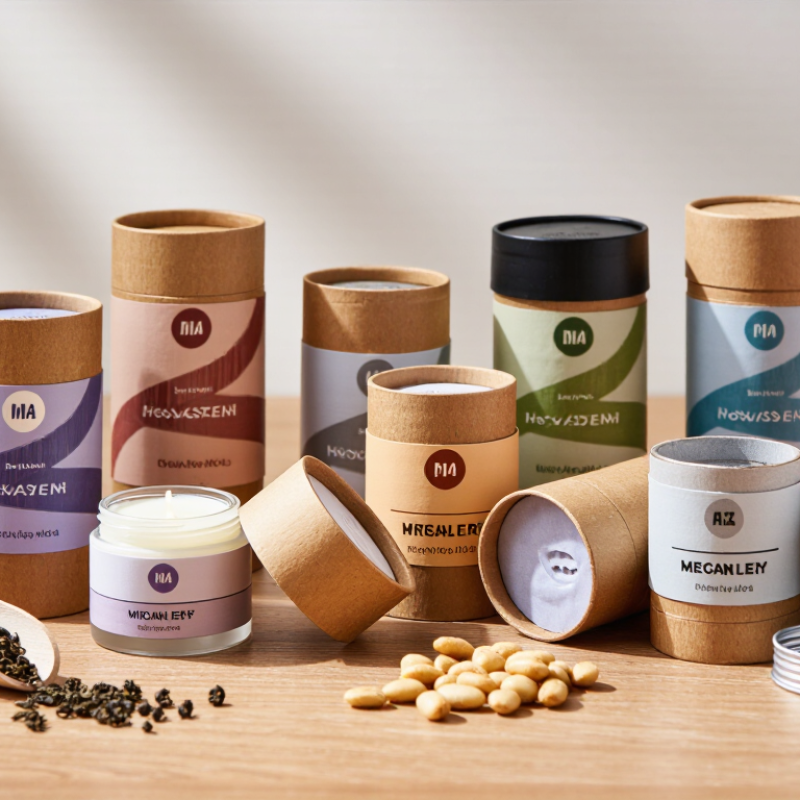
Cosmetics can fit this format too. Solid soaps, bath salts, face masks, and powdered skincare products are suitable when moisture protection is designed properly. Paper tubes also suit candles, pencils, posters, socks, and small accessories. Their round shape protects items from crushing and creates a tactile opening experience. It feels practical. For food-contact items, suppliers should provide material records and testing evidence for the intended use.

However, not every product belongs in a paper tube. Liquids, oily creams, fresh foods, and products exposed to bathrooms may need stronger barriers. A tube may soften, leak, or lose its shape. We have found that inner coatings, foil layers, and sealed ends improve performance, but they can complicate recycling. Product weight, filling temperature, storage humidity, and shipping tests should guide the final choice. The fit is not always perfect. That limitation deserves honest attention.

Why Choose Paper Tube Packaging for Your Products?

Which Products Are Suitable for Paper Tube Packaging?

Paper tube packaging is most suitable for dry, lightweight, non-hazardous products that benefit from a rigid, printable and recyclable outer package. Tea, coffee, candles, cosmetics, confectionery and other dry goods are commonly compatible with this format. Products containing liquids or requiring high moisture and oxygen barriers may need an additional inner liner or a different packaging solution.

The suitability rating is a practical comparison based on product dryness, weight, barrier requirements, handling and compatibility with paper tube structures; it is not market-share data.

How to Choose the Right Paper Tube Packaging Solution

Choosing the right paper tube packaging solution starts with the product, not the appearance. In packaging trials, I first measure the product’s diameter, height, and weight. A tube should hold the item firmly without crushing it. A loose fit allows movement during delivery. A tight fit can damage delicate surfaces. Small details matter.

Consider the tube’s paperboard thickness and closure style. Lightweight tubes suit items such as candles, tea, and stationery. Heavier products need stronger walls and reinforced ends. For oily, damp, or fragrant contents, add a suitable inner barrier. Paper alone may not provide enough protection. Test the actual product inside the tube for several days. Check odor transfer, moisture resistance, and lid performance. Laboratory testing is useful, but handling the package is equally important.

The outer finish should support both protection and communication. Matte surfaces hide fingerprints, while a smooth finish improves printed graphics. Ask suppliers about recycled fiber content, responsible sourcing, and disposal instructions. Production tolerances also deserve attention. A tube that looks perfect in a sample may vary during mass production. I have seen attractive designs fail because the lid fit was inconsistent. That mistake is easy to overlook. Request pre-production samples, test stacked cartons, and examine the package after shipping. A practical solution may look less dramatic, but it usually performs better.

Scroll to Top