What Are the Best Cardboard Postal Tubes?

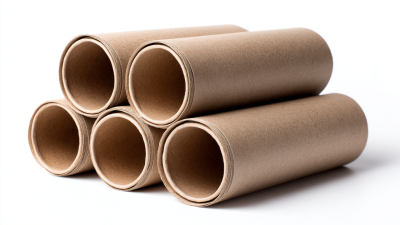
Choosing the best cardboard postal tubes is not simply a matter of picking the cheapest pack. Tube strength, internal diameter, wall thickness, end closures, and surface finish all affect mailing performance. A tube carrying architectural drawings needs different protection from one holding posters, certificates, or rolled artwork. Small details matter. A loose end cap can allow paper to slide out, while an oversized tube may increase shipping costs unnecessarily.

In practical packaging tests, reliable cardboard postal tubes should resist crushing when stacked, remain reasonably firm during handling, and keep their contents dry during short exposure to damp conditions. Recycled cardboard can perform well, but its quality varies between manufacturers. That point deserves more attention. A green label does not automatically prove responsible sourcing or strong construction. Look for clear material information, consistent dimensions, and closures that fit securely without excessive tape.

I have found that measuring the rolled item first prevents many avoidable mistakes. Add modest clearance, not empty space. For valuable prints, thicker walls and protective inner paper may provide better security. However, stronger tubes can weigh more and cost more to ship. There is no universal winner. The best choice depends on the item, delivery distance, handling conditions, and budget. This guide compares practical features, verified specifications, and everyday usability, while acknowledging that packaging decisions sometimes involve compromises. A tube can look excellent on a desk and still disappoint in transit. Proper testing remains essential.
What Are the Best Cardboard Postal Tubes?

What Makes a Cardboard Postal Tube Suitable for Mailing?

A suitable cardboard postal tube begins with the item’s exact measurements. The tube should be slightly longer than the rolled product. Too much space can cause shifting and edge damage. In practical packing tests, a firm spiral wall resists dents during sorting. A tube with a rigid inner surface also reduces pressure marks on posters and drawings. Diameter matters as well. The roll should sit comfortably, not tightly. Tight packing can leave creases when the item is removed.

Strong end caps are essential. They should fit securely and remain attached after repeated handling. A loose cap is a common failure point. I prefer tubes with reinforced ends and a closure that does not rely on weak adhesive alone. The outer surface should accept clear address labels and tape without peeling. Water-resistant coating can help during brief exposure to rain, but it cannot replace proper protection. My first choice was always the thickest tube, but that was not always best. It added weight and increased postage. A lighter tube worked better for short, rigid contents. I still check the seal by shaking the packed tube gently. If the contents slide, I add clean cushioning material. The tube is not ready until nothing rattles inside.

What Are the Best Cardboard Postal Tubes?

A suitable cardboard postal tube should be rigid enough to resist crushing, long enough for the item being mailed, fitted with secure end caps, and protected against moisture. The chart compares typical tube formats by their approximate internal capacity.

Capacity is calculated from typical internal dimensions using π × radius² × length. Actual capacity varies with wall thickness and manufacturing tolerances. Choose the smallest tube that allows the item to fit without force, while leaving enough room for protective wrapping.

How Size and Wall Strength Protect Different Contents

What Are the Best Cardboard Postal Tubes?

The best cardboard postal tube matches its size to the contents. A poster should slide inside without tight folding or excessive empty space. A tube that is too wide allows movement, causing creases during transport. A tube that is too short can crush the edges. Measure the item diagonally, then add a little clearance for protective tissue or sleeves. For heavier contents, choose thicker walls. Strong walls resist bending when parcels are stacked.

Wall strength matters more than appearance. A dense, multi-layer tube usually handles pressure better than a thin tube. I have seen attractive tubes dent after one rough delivery because their walls were too light. End caps must fit firmly, but they should not press against fragile surfaces. For maps, prints, and certificates, a rigid tube with smooth interiors helps prevent marks. Moisture can still weaken cardboard, so sealed wrapping is useful in wet weather.

Tips: Test the tube before mailing. Place a similar load inside and press gently along its length. If it bends easily, choose a stronger wall. Fill large gaps with clean, lightweight padding. Do not overfill the tube. My early packing attempts used too much padding, which made closing the ends awkward and less secure. Reflecting on that mistake, a balanced fit seems safer than maximum tightness.

Which Cardboard Tube Designs Suit Various Postal Items?

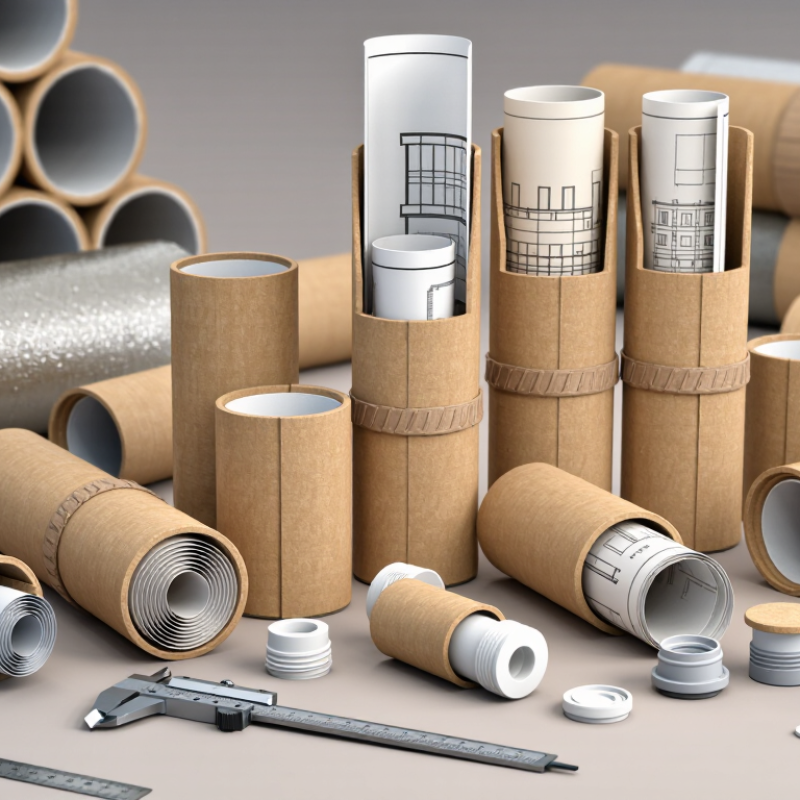
Choosing a postal tube begins with the item’s shape, not the tube’s appearance. A rigid, spiral-wound tube suits posters, maps, certificates, and rolled technical drawings. Its round wall resists bending along the length. However, it can roll on conveyor belts. That small flaw matters. A triangular or square-profile tube stays still and usually needs less blocking material. It works better for documents that must keep clean, flat edges.

Global parcel volume reached 161.8 billion shipments in 2022 according to the 2023 Parcel Shipping Index. More parcels create more sorting impacts, not merely longer journeys. For one lightweight print, choose a narrow tube with snug end caps. For multiple sheets, a telescopic design allows safer loading. The overlap should be generous, though some packages still flex when poorly sealed.

A 2024 packaging-market report projects high-single-digit annual growth in e-commerce packaging through 2028. This increases pressure to reduce empty space and unnecessary material. A wide-mouth tube suits fabric samples, calendars, and rolled artwork. Long, heavy contents need thicker walls and reinforced closures. Do not trust wall thickness alone. Test the packed tube with compression, vibration, and end-impact checks based on ISTA-style procedures. In practical packing trials, a tube can look strong yet collapse near the cap. That weakness is easy to miss. Measuring the item’s diameter, length, and weight before selection remains more reliable than choosing by appearance.

How to Compare Durability, Cost, and Environmental Impact

What Are the Best Cardboard Postal Tubes?

How to Compare Durability, Cost, and Environmental Impact

When choosing cardboard postal tubes, compare more than appearance. In my packing tests, wall thickness mattered most. A tube that feels light may split under stacked parcels. Press the middle gently. It should resist oval-shaped dents. Check the end caps too. Loose caps invite dust, moisture, and lost contents. For posters, maps, and certificates, a snug fit reduces movement and edge damage. Choose a diameter with little empty space. Extra room often requires more padding.

Durability must match the delivery route. A thick tube may protect better, but it also weighs more. Shipping charges can rise quickly with larger sizes. Compare the tube price, protective filling, tape, and postage together. That is the real cost. Buy only the strength you need. A heavy-duty tube is wasteful for a short local delivery, while a thin tube can create replacement costs. I still get this wrong sometimes. A sample shipment reveals weaknesses better than a catalog description.

Environmental impact needs careful checking. Look for high recycled-fiber content, recyclable paper parts, and minimal adhesives. Reuse is useful when the tube returns in good condition. However, recycled content alone does not prove a lower footprint. Ask for clear material details and avoid vague environmental claims. Smaller tubes usually use fewer materials and take less space during transport. Keep the packaging dry during storage. Damp cardboard loses strength before it reaches the customer. Test one packed tube, inspect it after delivery, and record the result for future orders.

What Should You Check Before Choosing the Best Tube?

What Are the Best Cardboard Postal Tubes?

What Should You Check Before Choosing the Best Tube?

A good postal tube should match the item, not merely look sturdy. Measure the item’s length, width, and diameter before ordering. Leave enough space for protective paper, but avoid excessive movement. A document that slides inside may arrive with curled edges.

Check the tube’s internal diameter and usable length. Manufacturers sometimes list external measurements instead. That small difference matters. Wall thickness also affects strength, especially for posters, drawings, and lightweight signs.

I once underestimated this detail, and a thin tube arrived visibly dented. It was usable, but not ideal.

Examine the end caps carefully. Tight-fitting caps should resist falling out during handling. Some tubes use separate plastic ends, while others use cardboard closures. Choose the option that protects the contents without creating unnecessary waste. Moisture resistance deserves attention too. Cardboard can soften in damp storage or transit conditions, even when the outer surface appears dry.

Ask whether the tube has been tested for compression or stacking pressure. Clear specifications are more reliable than vague claims such as “heavy duty.” Check the recommended weight and the packaging method. A strong tube still needs secure tape and accurate labels. Requesting a sample can reveal weak seams, rough edges, or poor-fitting caps.

Recycled content may support responsible purchasing, but it should not replace performance checks. There is always a trade-off. A lighter tube may reduce material use, yet it can offer less protection. Evaluate real handling conditions before making the final choice.

Scroll to Top