Top Uses for Shipping Tubes for Safe and Effective Packaging?
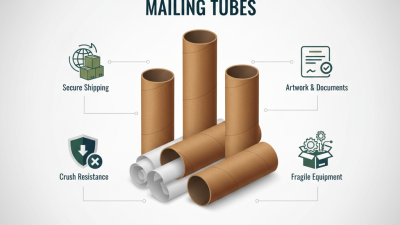
Shipping tubes play a crucial role in packaging, ensuring the safe delivery of various items. According to packaging expert John Smith, "Shipping tubes are essential for protecting items during transport." Their sturdy design helps prevent damage, making them ideal for artwork, documents, and fragile goods.
Interestingly, using shipping tubes can be both effective and challenging. For instance, while they protect cylindrical items well, they may not always suit irregular shapes. Additionally, the choice of material matters. Using high-quality cardboard tubes can provide better support, yet some may overlook the importance of durability.
Moreover, not all shipping tubes are created equal. Some lack strength and may bend under pressure. It's vital for businesses to evaluate their packaging needs carefully. Choosing the right shipping tubes can save money and reduce waste. With the right approach, companies can enhance their packaging strategies significantly.

Overview of Shipping Tubes in Packaging
Shipping tubes play a crucial role in the world of packaging. They provide a robust solution for transporting artwork, documents, posters, and other cylindrical items. Their design ensures minimal bending or damage during transit. This is essential for items that require protection from environmental factors such as moisture and dust.
Tips for using shipping tubes effectively include choosing the right size for your items. A tube that is too large may lead to shifting, while one that is too small could crush the contents. Additionally, consider using protective materials, like bubble wrap, to cushion your items. This extra layer can prevent damage during shipping and give you peace of mind.
Proper sealing is also vital. Use strong tape to secure the ends, ensuring nothing can fall out. Check the seams for any gaps. Remember that even small mistakes can lead to terrible outcomes. Lastly, label your tubes clearly. This aids in tracking and reduces the chance of loss. Sometimes, we forget that clear communication is key in shipping.
Top Uses for Shipping Tubes in Safe and Effective Packaging
This chart illustrates the top five applications for shipping tubes, highlighting their importance in safe and effective packaging. Art prints lead the way, demonstrating the versatility of shipping tubes in preserving the integrity of various items during transit.
Benefits of Using Shipping Tubes for Product Safety
Shipping tubes offer significant benefits for ensuring product safety during transportation. They are robust and can withstand rough handling. Products like posters, blueprints, or fragile items fit securely in these cylindrical containers. The design minimizes movement and reduces the risk of damage. Many users appreciate how simple they are to seal and label.
Not all shipping tubes are created equal. Some may lack durability, leading to potential issues. It's essential to select high-quality materials. A weak tube can mean broken items and unhappy customers. Consider using reinforced ends to enhance protection. Additionally, the choice of internal padding can make a difference in safety.
Shipping tubes also benefit eco-conscious shippers. Many options come from recyclable materials. This choice aligns well with sustainable practices. Yet, not everyone prioritizes this factor. Balancing sustainability and cost can be challenging. Evaluate your needs carefully. Each shipment is an opportunity to improve.
Common Applications for Shipping Tubes in Various Industries
Shipping tubes are versatile packaging solutions widely used across various industries. In the publishing sector, tubes protect posters and art prints during transit. According to a report by the Packaging Association, over 80% of print shops use shipping tubes to prevent damage. Their rigid design ensures safe delivery without creases or folds.
In the engineering and construction industries, shipping tubes similarly play a crucial role. They transport blueprints and technical drawings, critical for project success. Research indicates that businesses save approximately 25% on shift delays when using this packaging method. The tubes are lightweight yet sturdy. This reduces shipping costs and minimizes environmental impact.
Despite their widespread use, some challenges exist. Not all tubes are resistant to moisture, leaving contents exposed. Users must ensure proper sealing to mitigate risks. It's vital to select the right size and material for each application. Oversized tubes may lead to shifting, while undersized ones can crush delicate items. Thoughtful consideration is necessary for effective packaging.
Best Practices for Packing Items in Shipping Tubes
When it comes to packing items in shipping tubes, attention to detail is crucial. Choose the right tube size for your items. A tube that's too large can leave things shifting, risking damage. A snug fit is ideal. Use cushioning materials like bubble wrap for extra protection. This adds stability and absorbs shock during transit.
Proper sealing is essential. Use strong packing tape to secure both ends of the tube. Check for any gaps. A poorly sealed package can lead to open ends, exposing contents to moisture or dirt. Label the outside clearly. This helps ensure the package is handled correctly, reducing the chances of mishandling.
Remember that weight matters. Heavier items may require a sturdier tube. It’s worth assessing the integrity of your materials. Some tubes may buckle if overloaded. Reflect on your packing process and adjust as needed. A few small improvements can enhance safety and effectiveness in shipping.
Top Uses for Shipping Tubes for Safe and Effective Packaging
| Use Case |
Description |
Best Practices |
| Artwork Shipping |
Protects rolled artwork like posters and prints. |
Use acid-free tissue paper to prevent damage. |
| Blueprints and Plans |
Safely packages architectural and engineering plans. |
Choose tubes with end caps to secure contents. |
| Banners and Signage |
Ideal for transporting fragile promotional materials. |
Roll items loosely to avoid creases and wrinkles. |
| Fabric and Textiles |
Keeps fabric items clean and protected. |
Wrap in plastic to guard against moisture. |
| Craft Supplies |
Convenient for sending various supplies like rolls of paper. |
Label tubes clearly to identify contents quickly. |
| Documents and Papers |
Holds legal documents and important paperwork securely. |
Seal securely to avoid loss during transport. |
Environmental Considerations for Using Shipping Tubes
Shipping tubes are becoming a popular choice for packaging. They offer many benefits, particularly concerning environmental impact. Made primarily from recycled materials, they can reduce waste significantly. According to the Environmental Protection Agency (EPA), cardboard tubes can be recycled up to seven times. This process conserves energy and supports sustainability.
However, shipping tubes are not perfect. Production still requires substantial resources. Easy access to recycling facilities is uneven across regions. Many consumers remain unaware of proper recycling methods. A study by the Paper and Packaging Board showed that 79% of consumers favor sustainable packaging. Yet, behavior does not always match preferences.
Using shipping tubes encourages eco-friendly practices. They protect products during shipping and can be reused. A report from the Sustainable Packaging Coalition indicated that consumers are willing to pay more for sustainable packaging. The challenge lies in balancing functionality and environmental responsibility. Brands must educate their consumers about recycling practices and the benefits of shipping tubes. Without this effort, the potential environmental advantages may not be fully realized.