Top 10 China Suppliers for Recycled Cardboard in 2026?
The demand for recycled cardboard has surged as sustainability gains momentum in 2026. Companies are increasingly seeking reliable suppliers to meet their packaging needs. Industry expert Dr. Emily Chen emphasizes, “Recycled cardboard plays a critical role in reducing waste.” This highlights its importance in today’s market.
Sourcing high-quality recycled cardboard can be challenging. Many suppliers focus on efficiency over quality. It’s essential for businesses to find trusted sources that prioritize eco-friendliness. With the rise of environmental regulations, only the best suppliers will thrive. Competing in this industry requires innovation and commitment.
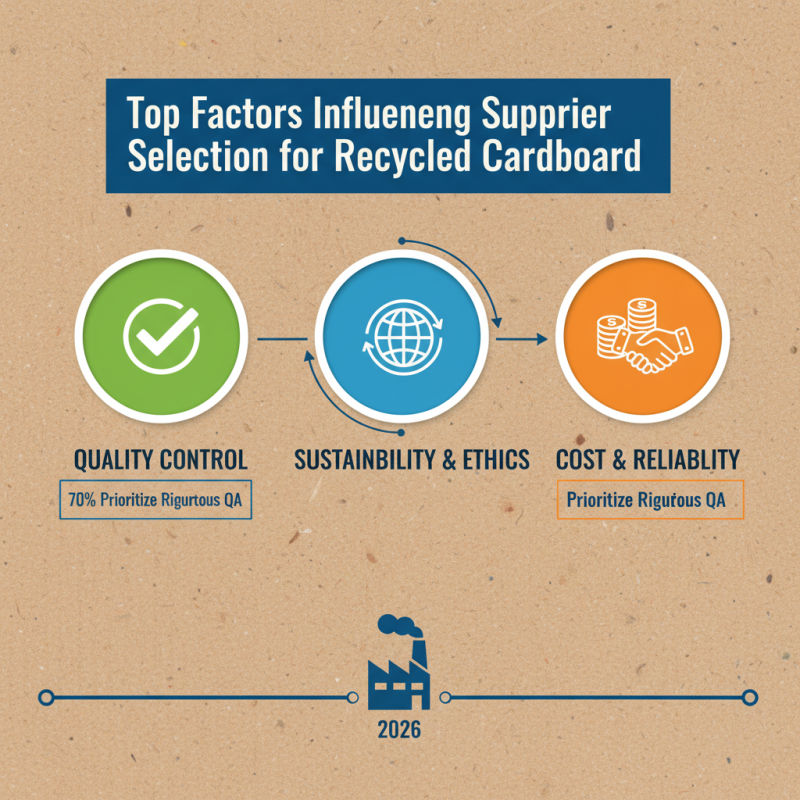
As companies explore their options, awareness of supplier reliability is crucial. Companies must avoid relying solely on cost. Quality, sustainability, and ethical practices matter more than ever. Identifying the top ten suppliers may require extensive research. Finding the right partner could lead to significant long-term benefits for all involved.

Emerging Trends in China's Recycled Cardboard Industry in 2026
The recycled cardboard industry in China is evolving rapidly. As the demand for sustainable packaging grows, companies are adapting to meet new challenges. More manufacturers are investing in advanced technologies. These innovations enhance efficiency and reduce waste.
The process of sorting and processing cardboard is becoming increasingly automated. Automation helps streamline operations and cut down costs.
Sustainability is at the forefront of industry trends. Consumers are becoming more environmentally conscious. They expect transparency in sourcing materials. This shift pushes suppliers to adopt comprehensive recycling practices. However, challenges remain. The fluctuating prices of raw materials can impact profit margins.
Suppliers must find ways to navigate these market dynamics while maintaining quality.
Collaboration is another emerging trend in the industry. Partnerships between businesses encourage information sharing. This can improve overall efficiency and sustainability efforts. Additionally, educational initiatives are essential. They raise awareness about recycling benefits and practices.
The industry has room for growth in these areas. As challenges continue, reflection on practices will drive improvement and innovation.
Key Players in the Market: Overview of Leading Chinese Suppliers
The recycled cardboard industry in China is evolving rapidly. By 2026, suppliers in this sector are expected to play a significant role in the global market. According to a recent market assessment by Smithers, China's recycled cardboard production could reach over 90 million tons per year. This statistic reflects the sharp increase in demand for sustainable packaging.
Key players in this market are increasingly focusing on innovative technologies. They aim to enhance the quality and efficiency of recycled materials. A report from Statista highlights that around 45% of cardboards used globally are sourced from recycled materials. This number is expected to grow, presenting both opportunities and challenges for Chinese suppliers. Increased competition may lead to pricing pressures.
It’s not without its hurdles. Many suppliers struggle with fluctuating raw material prices. Additionally, regulatory compliance remains a concern. Environmental standards are tightening as sustainability becomes a priority. The journey toward greener practices often reveals gaps in infrastructure and technology. Understanding these nuances is crucial for suppliers aiming for long-term success in the market.
Sustainability Practices Adopted by Top Recycled Cardboard Suppliers
As the recycled cardboard industry evolves, sustainability practices are crucial for leading suppliers. Many companies now focus on eco-friendly sourcing and production methods. These practices help minimize waste and reduce carbon footprints. Suppliers are adopting innovative processes to convert waste into new products. This shift not only supports environmental efforts but also appeals to conscious consumers.
Tips: Consider assessing the sourcing of materials when choosing a supplier. Understanding their recycling processes can provide insights into their sustainability commitment. Look for certifications that validate their environmental practices.
Transparency is also essential. Suppliers should disclose their sustainability goals and progress regularly. This openness builds trust and shows dedication to environmental responsibility. However, some suppliers face challenges in maintaining consistent standards. Striking a balance between cost and sustainable practices is not always easy. Companies must continuously reflect on and adapt their approaches to overcome these hurdles.
Tips: Engaging with suppliers about their challenges can lead to collaborative solutions. Discussing sustainability goals can create stronger partnerships. Don't overlook the impact of customer feedback in shaping supplier practices.
Top 10 China Suppliers for Recycled Cardboard in 2026
| Supplier Rank |
Annual Capacity (tons) |
Sustainability Certification |
Recycling Technology Used |
Market Focus |
| 1 |
150,000 |
ISO 14001 |
Hydraulic Pulping |
Domestic & Export |
| 2 |
120,000 |
FSC Certified |
Mechanical Pulping |
Local Markets |
| 3 |
100,000 |
PEFC Certified |
Deinking Technology |
International Supplies |
| 4 |
90,000 |
ISO 9001 |
Enzyme Recycling |
Online Retail |
| 5 |
80,000 |
Cradle to Cradle |
Closed Loop System |
Packaging Industry |
| 6 |
75,000 |
BRC Certification |
Chemical Recycling |
Food & Beverage |
| 7 |
70,000 |
Sustainable Choice |
Biological Treatment |
Pharmaceuticals |
| 8 |
65,000 |
EcoLabel |
Thermal Treatment |
Consumer Goods |
| 9 |
60,000 |
Woolmark Certified |
Fiber Separation |
Textiles |
| 10 |
55,000 |
Fair Trade |
Mechanical & Chemical |
Construction |
Future Prospects: Innovations and Challenges in China's Cardboard Sector
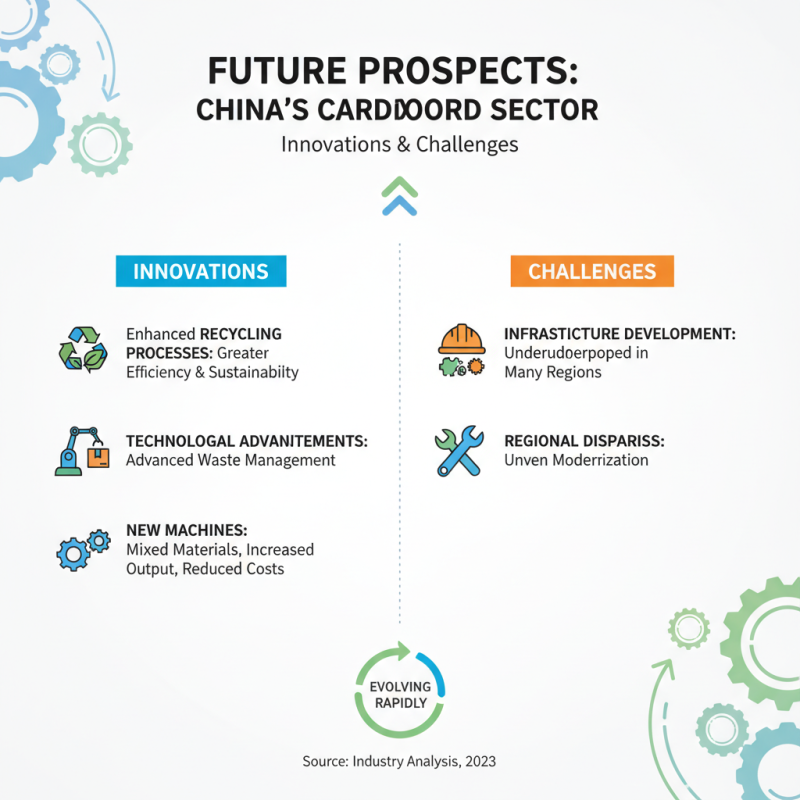
China's cardboard sector is evolving rapidly. Innovations in recycling processes are enhancing efficiency and sustainability. Technological advancements in waste management are critical. New machines can process mixed materials, increasing output and reducing costs. However, challenges remain. The infrastructure for recycling is still developing in many regions.
Quality control is a persistent issue. Mixed cardboard streams often lead to inferior products. This inconsistency can hinder export potential. On the regulatory front, the guidelines are changing frequently. Companies must adapt quickly to stay compliant. Competition is fierce, pushing firms to innovate continuously.
Environmental concerns are paramount. More companies are focusing on eco-friendly practices. Biodegradable inks and adhesives are gaining traction. Yet, the transition is not seamless. The costs for these innovations can be high. Balancing cost and sustainability is a complex challenge. The future of China's cardboard industry lies in finding this balance.