2026 Top Cardboard Tube Sizes You Need to Know?
In the world of packaging, understanding cardboard tube sizes is crucial. Expert John Smith, a leading figure in the cardboard industry, states, "Choosing the right cardboard tube size can make or break your packaging strategy." This insight highlights the importance of knowing various sizes and their applications.
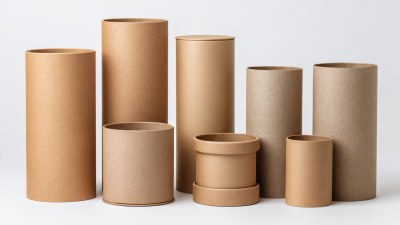
Cardboard tubes are versatile and commonly used for shipping, storage, and crafts. Different sizes serve unique purposes, catering to diverse needs. For instance, small tubes are ideal for posters, while large ones accommodate bulkier items. However, many overlook the significance of selecting the correct size. This oversight can lead to inefficiencies and increased costs.
Furthermore, the cardboard tube sizes market is evolving. With advances in materials and design, businesses face both opportunities and hurdles. Adapting to these changes requires careful consideration. A misstep in tube sizing can result in damaged products or wasted space, sparking reflections on current practices.

Understanding Cardboard Tube Sizes: An Overview
Understanding cardboard tube sizes is essential for various applications. Different projects require specific dimensions. There are standard lengths and diameters to consider. Most commonly, tubes range from 1 inch to 12 inches in diameter. They can be found in various lengths, tailored to fit different uses.
It's important to choose the right size for your project. A small tube may not provide enough strength for heavy items. Conversely, a large tube might be unnecessary for light materials. Think about what you need before purchasing. Some custom sizes may also be available, but they can take extra time.
Not everyone measures accurately. Mistakes can happen, even to professionals. Double-check dimensions before ordering. This small step can save you from frustration later. You might discover that the perfect size isn't what you initially thought. In the world of cardboard tubes, precision matters greatly.
Common Dimensions of Cardboard Tubes for Various Applications
Cardboard tubes come in various sizes, suited for different needs. They play crucial roles in packaging and crafting. Common dimensions include diameters of 1 inch, 2 inches, and 3 inches. Lengths can vary from 2 inches to over 12 inches. These tubes are lightweight yet sturdy. For example, a 3-inch diameter tube with a length of 6 inches works well for crafts.
When creating packaging solutions, dimensions matter. A 2-inch diameter is ideal for holding small items like ribbons or tapes. Larger tubes, like the 4-inch models, are often used for shipping posters or artwork. It’s essential to choose the right size to avoid damage during transport. However, some may overlook the importance of precise measurements, leading to wasted materials.
People often miscalculate their needs. A tube that’s too short may not fit the product. On the other hand, too large can lead to excess space, causing items to shift. It’s a balancing act that requires attention to detail. Consider the product you're packaging and choose accordingly. The suitability of tube sizes can make a significant impact on functionality.
2026 Top Cardboard Tube Sizes You Need to Know
This chart illustrates the common dimensions of cardboard tubes used in various applications, showcasing their diameters and lengths in inches to help you understand the most popular sizes available.
Specialized Cardboard Tube Sizes for Packaging and Shipping
When it comes to packaging and shipping, cardboard tubes are essential. They provide a secure way to transport items like posters, blueprints, and delicate products. According to a recent industry report, 60% of businesses prefer cylindrical packaging for fragile goods. The right tube size can significantly reduce damage during transit.
Specialized sizes cater to various needs. Common dimensions include 2 inches, 3 inches, and 4 inches in diameter. The length often ranges from 12 to 36 inches. Depending on the product, some tubes require reinforced ends for added protection. Despite their effectiveness, many companies still underutilize cardboard tubes. Research shows that 25% of businesses opt for less efficient packaging forms.
Consider the environmental impact. Cardboard tubes are recyclable, unlike plastic options. However, not all tubes meet sustainability standards. It’s vital to choose eco-friendly materials when possible. Moreover, users sometimes overlook the importance of accurate measurements. Improper size selection may lead to increased shipping costs or product damage. Companies must invest time in understanding which sizes best serve their needs.
2026 Top Cardboard Tube Sizes You Need to Know
| Tube Diameter (inches) |
Tube Length (inches) |
Material Thickness (mm) |
Weight Capacity (lbs) |
Common Uses |
| 2 |
12 |
3 |
5 |
Crafts, Shipping |
| 3 |
18 |
4 |
10 |
Posters, Mailing |
| 4 |
24 |
5 |
15 |
Blueprints, Fabrics |
| 5 |
36 |
6 |
20 |
Artwork, Tube Packaging |
| 6 |
48 |
7 |
30 |
Dolled Items, Large Prints |
Choosing the Right Cardboard Tube Size for Your Project
Choosing the right cardboard tube size for your project can be challenging. There are various factors to consider, including the tube's diameter and length. Each project demands specific dimensions. For instance, art projects may require wider tubes for stability, while packaging might need longer tubes.
When assessing size, think about the contents you'll use. A larger diameter can hold more significant items, but it may be bulkier. On the other hand, smaller tubes offer a sleek look and great portability. The weight of the items is also crucial. A heavier item can stress a narrow tube, leading to failure during transport or display.
Don't overlook the intended use of the tube. If it's for crafting, err on a flexible size that allows for creativity. For shipping, focus on durability and protection. Keep in mind that each project is unique, and it's okay to experiment with various sizes. Mistakes can provide valuable learning experiences. You may find that your initial choice was not ideal, prompting you to rethink your approach. Sometimes, the process itself teaches us what works best.
Future Trends in Cardboard Tube Sizes and Customization Options
As we approach 2026, cardboard tube sizes and customization options are evolving. Companies are increasingly looking for sustainable packaging solutions. This shift drives innovation in size and design. Standard sizes still dominate, but unique dimensions are gaining ground. Custom lengths and diameters can cater to specific products. This personalization appeals to businesses seeking to stand out.
Future trends include eco-friendly materials and printing techniques. The demand for visually appealing designs is on the rise. Companies may face challenges in balancing aesthetics and functionality. Customization can create waste if not managed properly. Brands must reflect on their choices to avoid overproduction. The market is shifting, and adaptation is crucial to remain competitive. This transformation in cardboard tube packaging needs careful thought and consideration.