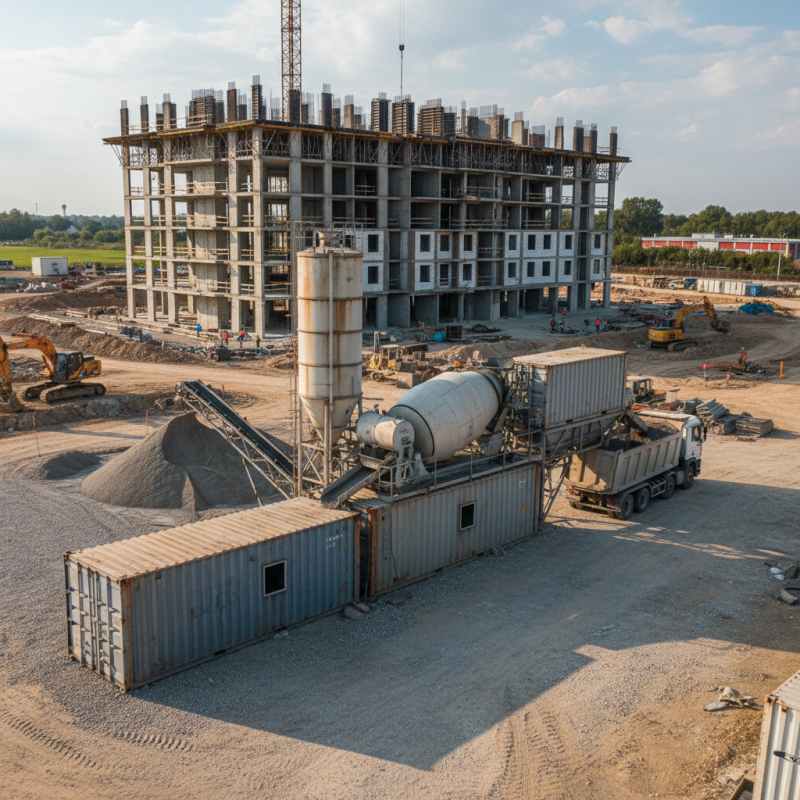
Top 10 Benefits of Using Container Batch Plant for Construction?
In the evolving landscape of construction, efficiency and flexibility are paramount. One innovative solution gaining traction is the Container Batch Plant. This adaptable system streamlines concrete production, offering significant advantages over traditional methods.
Many construction teams are turning to this method for its portability and quick setup. The Container Batch Plant is designed to be transported easily, reducing the time and resources needed for setup. In different site conditions, adaptability proves essential.
Moreover, the Container Batch Plant minimizes waste and optimizes resources. By producing concrete on-site, it lowers transportation costs and pollution. However, some may question its initial investment against long-term gains. As the industry progresses, understanding these benefits becomes vital for informed decision-making.
Understanding Container Batch Plants in Construction
Container batch plants are revolutionizing construction. These compact and mobile mixing units offer numerous advantages that traditional plants cannot match. According to a report from the National Ready Mixed Concrete Association, the use of mobile concrete plants has increased by 35% over the past five years. This shift underscores the growing preference for on-site mixing flexibility.
One significant benefit of container batch plants is their quick setup time. Crews can be operational within hours, reducing delays. This immediacy allows for faster project timelines. Furthermore, containerized units are designed for adaptability. They can be relocated easily to meet project demands, which minimizes logistical challenges.
Tip: Always assess local site conditions before deployment. Each site may present unique challenges. Prepare for unexpected adjustments during setup to keep progress smooth.
Additionally, container batch plants promote
sustainability. They produce less waste compared to traditional plants. The precision in material usage leads to more sustainable practices. While there are clear advantages, some users note the
learning curve in operating these systems. Proper training is crucial to maximize efficiency.
Tip: Invest in operator training. A well-informed crew can make a significant difference in output. Efficient training helps in navigating the intricacies of container batch technology.
Enhanced Portability and Flexibility of Container Batch Plants
Container batch plants have become a game-changer in the construction industry. Their enhanced portability stands out, allowing for quick relocation. For projects in remote areas, this can save valuable time and costs. Instead of building massive concrete structures on-site, contractors can transport a compact plant wherever it's needed.
Flexibility is another significant benefit. These plants can adapt to various project sizes and types. This adaptability means they can handle everything from small residential builds to large commercial projects. Moreover, it simplifies the logistics of transporting materials. Once on-site, the setup can be completed in a fraction of the time compared to traditional methods.
However, challenges exist. Not all sites are suitable for container batch plants. Factors such as space, ground condition, and accessibility can affect operations. Understanding these limitations requires planning and experience. Adapting to new technologies is not always smooth. It often involves a learning curve for construction teams. Finding the right balance between flexibility and efficiency is crucial for maximizing these plants’ potential.
Top 10 Benefits of Using Container Batch Plant for Construction
Cost Efficiency: Savings with Container Batch Plants in Projects
Container batch plants are revolutionizing the construction industry, particularly in terms of cost efficiency. These plants significantly reduce overhead costs associated with traditional mixing methods. Their modular design allows for easy transport and quick setup, minimizing downtime on projects. Contractors can save on logistics, as materials can be delivered closer to the worksite.
Operational flexibility is another financial advantage. Projects can scale up or down rapidly, adapting to changing requirements. This ability minimizes waste, as materials are mixed only as needed. While initial investment costs may seem high, the long-term savings prove beneficial. Moreover, the reduction in transportation costs combined with efficient use of resources can make these plants an attractive option.
However, challenges can arise from these benefits. Not all projects may find the container batch plant ideal for their specific needs. Some may experience initial training costs for staff. There’s a learning curve in utilizing this technology effectively. Careful evaluation ensures that teams can maximize the advantages while addressing potential drawbacks. Making informed decisions will shape the project's overall financial success.
Top 10 Benefits of Using Container Batch Plant for Construction
| Benefit | Description | Cost Savings (%) |
| Cost Efficiency | Reduced transportation and operational costs. | 15% |
| Space Optimization | Compact design allows for efficient use of space at construction sites. | 10% |
| Labor Efficiency | Streamlined processes reduce labor hours needed. | 20% |
| Flexibility | Easily transportable and adaptable to various site conditions. | 12% |
| Speed of Construction | Quick setup and operation enable faster project delivery. | 18% |
| Quality Control | Enhanced control over mixing processes improves material quality. | 8% |
| Reduced Waste | Efficient batching processes minimize material waste. | 14% |
| Environmental Impact | Lower emissions with localized material production. | 11% |
| Advanced Technology | Incorporation of modern technology enhances efficiency. | 7% |
| Safety | Improved safety standards due to controlled environments. | 9% |
Improved Quality Control with Container Batch Plant Technology
Container batch plant technology is transforming the construction industry by enhancing quality control processes. By using mobile container systems, project managers can closely monitor materials and mixtures. Accurate measurements lead to improved consistency in concrete production. This prevents variations that can compromise structural integrity.
Quality control is about more than just precision; it involves real-time data tracking. Container batch plants offer instantaneous feedback on mixes. Operators can adjust ingredient ratios instantly, ensuring that the final product meets specific standards. This detailed oversight reduces waste and cuts costs. However, relying too heavily on technology can lead to complacency in oversight.
The container setup allows for flexibility on-site, adapting to varying project demands. Despite these advantages, it’s crucial to remember that human expertise remains vital. Training staff to interpret data and manage equipment is essential. A blend of technology and skilled personnel creates the strongest foundation for construction quality.
Environmental Benefits of Using Container Batch Plants in Construction
Container batch plants are transforming the construction industry, particularly in terms of environmental impact. These plants often operate more efficiently than traditional setups. Current reports indicate that they reduce carbon emissions by up to 30%. This significant decrease is vital given that construction accounts for nearly 40% of global energy-related carbon emissions.
Using container batch plants also minimizes waste. A study from the Construction Industry Institute highlights that effective mix designs can cut down material waste by up to 20%. This reduction leads to simplified disposal processes and less environmental strain. Furthermore, the enclosed nature of container plants prevents the contamination of surrounding soil and water sources.
Water usage in construction is often excessive. Container batch plants typically use advanced water recycling systems, potentially decreasing water consumption by 50%. However, not all plants adjust equally; some still face challenges in optimizing their recycling capabilities. This inconsistency calls for further innovations in technology and practices. Addressing these issues will enhance the sustainability of container batch plants in the long run.