Top 5 Tips for Using Honeycomb Activated Carbon Effectively?
honeycomb activated carbon has emerged as a powerful solution in air and water purification. According to a report from the International Society of Activated Carbon, this material surpasses traditional carbon types in surface area efficiency, making it an industry favorite. Experts state that its structure allows for better adsorption, leading to enhanced pollutant removal efficiencies. Dr. Emma Liu, a leading expert in activated carbon technologies, emphasizes, "The effectiveness of honeycomb activated carbon lies in its unique design, tailored for optimal performance."
Using honeycomb activated carbon effectively requires understanding its specific properties. A 2022 study by the Environmental Protection Agency highlighted that proper application can increase contaminant removal by nearly 30%. Yet, industry players sometimes overlook the importance of matching the carbon type with the contaminants targeted. This oversight can lead to suboptimal results and wasted resources.
In practice, one must consider factors like airflow rates and moisture levels. Improper conditions can diminish the effectiveness of honeycomb activated carbon. Users should constantly evaluate their system efficiency and remain adaptable. Balancing expertise with real-world application will ensure better outcomes in using honeycomb activated carbon.
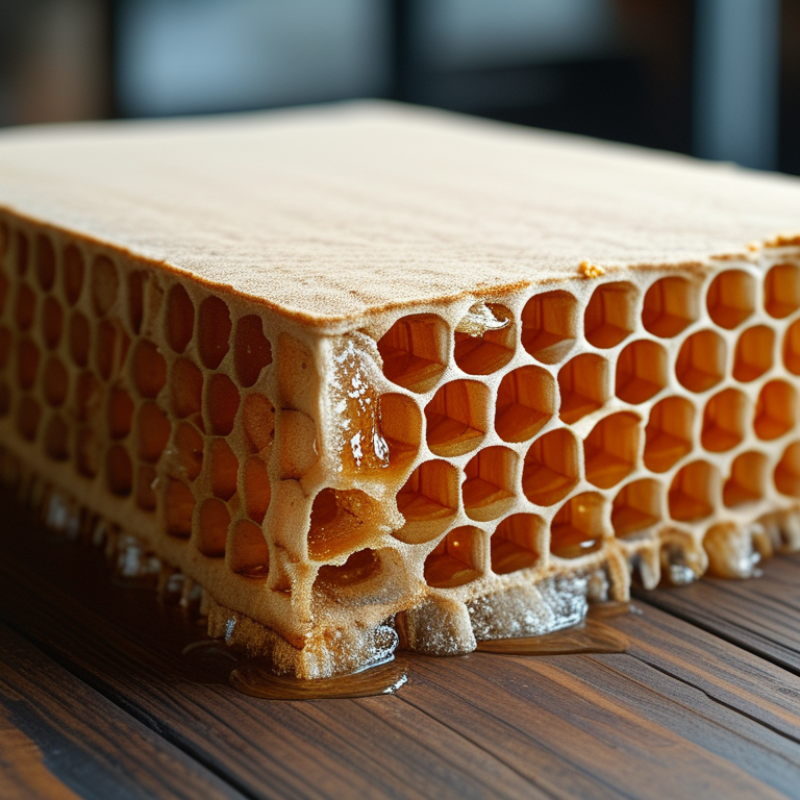
Understanding Honeycomb Activated Carbon and Its Applications
Honeycomb activated carbon is a specialized form of carbon used primarily for air and water purification. Its structure consists of numerous pores, providing a large surface area for adsorption. This feature makes it highly effective in trapping pollutants and harmful chemicals. Understanding its applications is crucial for maximizing its efficiency.
In various industries, honeycomb activated carbon is employed for removing volatile organic compounds and odors. In homes, it can help improve indoor air quality. Its ability to filter out contaminants makes it valuable in wastewater treatment. When using honeycomb activated carbon, it’s important to consider factors such as the size of the carbon and the specific application.
While effective, some users may not fully utilize its potential. Many forget to replace the carbon periodically. This can lead to reduced performance. The effectiveness of honeycomb activated carbon depends on the pollutant concentration and contact time. It is essential to monitor these factors closely to achieve optimal results. Users must remain adaptable and open to refining their methods for best practices.
Top 5 Tips for Using Honeycomb Activated Carbon Effectively
Choosing the Right Honeycomb Activated Carbon for Your Needs
Choosing the right honeycomb activated carbon is crucial for optimal performance in air and water purification. Various types exist, each designed for specific applications. One important consideration is the pore structure. Studies indicate that the effectiveness of adsorption depends largely on this structure. For example, a pore volume of 0.5 ml/g is often suitable for gas-phase applications.
Particle size also matters. A smaller particle size increases the surface area, which can enhance absorption rates. Data shows that activated carbon with a mesh size of 12x40 is generally favorable for air filtration, while larger sizes may be better for water treatment. Identifying the specific contaminants you need to target will guide your selection process.
Another variable is activation method. Chemical activation typically shows higher porosity, reaching BET surface areas above 1000 m²/g. This can be essential for industries that require higher efficiency. Understanding your specific needs is necessary to select the right grade. It’s essential to evaluate the supplier's reliability. Certifications from recognized bodies can provide insights into the carbon's quality. Regular testing of its effectiveness ensures that you continually meet your operational requirements. Emphasizing these aspects can lead to a more informed, practical choice in utilizing honeycomb activated carbon effectively.
Optimal Methods for Preparing Honeycomb Activated Carbon for Use
Preparing honeycomb activated carbon for effective use involves several optimal methods. This versatile material is acclaimed for its high surface area and adsorption capacity. Research indicates that the effectiveness of adsorption can increase significantly with proper preparation. For instance, a study by the American Chemical Society found that pre-conditioning carbon at specific temperatures can enhance its performance.
One critical step is to rinse the honeycomb activated carbon thoroughly. This process removes any residual dust or impurities. Studies suggest that activating the carbon with steam or hot air can further enhance its absorptive properties. The temperature and duration of activation should be closely monitored. Excessive heat can damage the structure, leading to reduced efficiency.
Another essential factor is the granule size. Smaller granules generally offer a larger surface area for adsorption. However, this can lead to flow resistance issues. Understanding the balance between granule size and flow rate is crucial for optimal performance. Data from environmental research show that improper sizing can reduce the effectiveness of carbon by up to 30%. Careful attention to these details will yield significant improvements in the effectiveness of honeycomb activated carbon.
Top 5 Tips for Using Honeycomb Activated Carbon Effectively
| Tip | Description | Preparation Method | Optimal Use Case |
| Tip 1 | Choose the Right Size | Select a granule size based on application needs. | Air and water filtration. |
| Tip 2 | Pre-Washing | Wash activated carbon to remove fine particles. | Improving filtration efficiency. |
| Tip 3 | Proper Conditioning | Condition the carbon in a controlled environment. | Air treatment systems. |
| Tip 4 | Regular Replacement | Change out activated carbon when saturated. | Water purification. |
| Tip 5 | Use Sufficient Quantity | Ensure enough carbon is used for the specific application. | Industrial gas treatment. |
Maximizing Efficiency: Tips for Proper Placement and Maintenance
Activated carbon, especially honeycomb activated carbon, serves diverse applications. For optimal efficiency, placement is crucial. Position filters near the source of pollutants. This maximizes contact and exposure, ensuring better absorption. Studies show that strategic placement improves performance by up to 40%.
Regular maintenance is equally important for effectiveness. Check and replace filters periodically. Neglecting maintenance can lead to 50% loss in efficiency. Leaks and buildup of contaminants often go unnoticed. Tips for maintenance include a consistent schedule and clear records. Clean your setup regularly to prevent clogging.
Understand that not all installations will yield perfect results. Variance in air quality, humidity, and temperature impact performance. Monitor changes to maximize results. A proactive approach in your strategy ensures you’re not left with underwhelming outcomes. Continual adjustments can enhance the efficacy of your activated carbon system significantly.
Monitoring and Evaluating the Performance of Honeycomb Activated Carbon
When evaluating the performance of honeycomb activated carbon, monitoring is crucial. Regular testing of air or water quality can help determine its effectiveness. For instance, studies show that honeycomb structures can increase surface area, enhancing adsorption efficiency by up to 50%. This improvement is significant when dealing with volatile organic compounds (VOCs).
One tip for effective use is to regularly inspect the carbon bed. Over time, saturation can diminish performance. Signs of reduced efficacy may include unusual odors or visible contaminants. These indicators suggest it may be time to replace the honeycomb activated carbon.
Another important aspect is to test the operating conditions. Temperature and humidity can affect adsorption rates. According to industry reports, optimal conditions can enhance removal rates by 20%. Adjust settings based on environmental factors to maintain efficiency.
Continual evaluation is essential in utilizing honeycomb activated carbon. Collecting data over time can highlight patterns and areas for improvement. For instance, documenting adsorption capacity can help refine future usage strategies. Implementing feedback loops will create a more effective carbon management system.