Essential Tips for Choosing the Right Batching Plant Cement?
Choosing the right Batching Plant Cement is crucial for any construction project. The quality of cement impacts the overall strength and durability of structures. Selecting the appropriate type of batching plant cement can seem overwhelming. Factors like environmental conditions, project scale, and cement properties must be considered.
Experience plays a significant role in this decision. Builders often rely on trusted suppliers and past projects as references. It's essential to assess the reputation of the manufacturers. Researching product specifications helps ensure the cement meets your project requirements. Not all cements are created equal. Some may suit specific applications better than others.
Reflecting on your past experiences with cement can highlight the importance of making an informed choice. Learn from any previous issues to avoid making the same mistakes. Remember, the right batching plant cement can elevate your project and lead to long-lasting success. Keep an open mind and stay updated with industry advancements. This will enhance your decision-making process and support your construction goals.
Factors to Consider When Selecting a Batching Plant Cement Type
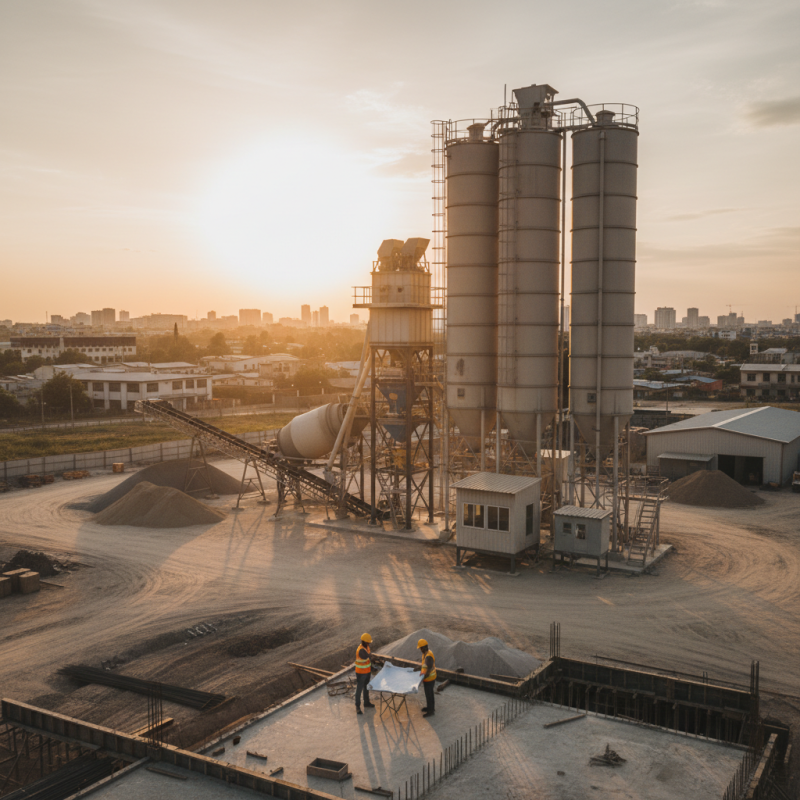
Selecting the right batching plant cement type is vital for any construction project. The choice heavily influences the structural integrity and longevity of the construction. Start by considering the specific requirements of your project. Is the environment aggressive, like coastal areas? Or is it more moderate? Selecting a cement designed for these conditions can ensure durability.
Evaluate the mixing technology as well. Different batching plants use various techniques for mixing materials. Look for a plant that provides uniformity and consistency in the mix. Inconsistent mixes can lead to weak spots in the structure. It's essential to assess the quality control measures in place. How often are the mixes tested? What protocols are followed? All these factors play a significant role in ensuring reliability.
Don't overlook the supply chain and availability of materials. Some plants may have easy access to high-quality aggregates, while others may struggle. This variability can impact timelines and costs. It's important to weigh not just the cement type but also how it'll be sourced. Inadequate materials can compromise the entire project. Always seek to verify recommendations and feedback from other professionals in the field. Their experiences can provide insights that books or sales pitches might miss.
Essential Tips for Choosing the Right Batching Plant Cement
When selecting the right batching plant cement, it's crucial to consider factors such as strength, setting time, and compatibility with aggregates. The following chart illustrates the comparison of various cement types based on these essential factors.
Evaluating the Quality Standards of Batching Plant Cement
When evaluating the quality standards of batching plant cement, several critical factors should be taken into account. Cement quality directly affects the durability and strength of concrete. Industry reports indicate that nearly 30% of structural failures are linked to poor-quality cement. To ensure optimal performance, look for certifications from authoritative bodies. These certifications often reflect compliance with international standards, such as ASTM or EN norms.
It's crucial to examine the raw materials used in cement production. High-quality clinker, for example, can significantly impact the final product. Additionally, moisture content must be regularly tested. Excess moisture can compromise the strength of cement, potentially yielding batches that do not meet required specifications. A reliable batching plant should adhere to stringent quality control measures during production. Regular audits can help maintain these standards, ensuring a consistent product.
However, the industry's reliance on self-reported data can create discrepancies. Some plants may overstate their quality measures to attract clients. Transparency is essential. Always request detailed reports on quality tests and certifications. The quality of batching plant cement can seem straightforward, but various hidden factors may affect performance. Continuous evaluation is necessary to prevent costly mishaps in construction projects.
Comparing Different Brands of Batching Plant Cement
When comparing different brands of batching plant cement, focus on quality, performance, and cost-effectiveness. Different brands offer various formulations, impacting strength and curing time. Your choice may affect project timelines, thus requiring careful evaluation.
Tips for selecting the right cement involve checking certifications and product specifications. Look for brands that meet industry standards. Consider how the cement performs under specific conditions, like extreme weather. Keep in mind that not all products perform equally. Some may require more water, while others are more durable.
Think about the source of materials used in production. Reliable suppliers often provide transparent information about their processes. This can highlight potential quality issues. Trying out samples can help, but always analyze the long-term performance. Remember, not every brand will suit your project needs perfectly. Reflect on past experiences, as they can inform your current choices.
Understanding the Cost Implications of Batching Plant Cement
Choosing the right batching plant cement involves understanding its cost implications. The initial price may not tell the whole story. Consider long-term expenses too. Maintenance, transport, and labor add to your total investment. Unexpected costs can arise, so build a buffer.
Tips for selecting the right cement include assessing the specific requirements of your project. Think about the strength, durability, and set time. Each project has unique needs. Investigate supplier reliability and support as well. Sometimes, a lower initial cost means higher risks later.
Don't overlook the total cost of ownership. It's crucial for budgeting. Analyze how cement type affects overall project expenses. Review past projects for insights, as real-world examples can reveal hidden costs. Engaging with experts can provide valuable perspectives. Their experience can guide your choices effectively.
Assessing the Environmental Impact of Batching Plant Cement
When selecting a batching plant for cement, it’s crucial to consider its environmental impact. Cement production is known for high carbon emissions. This affects air quality and contributes to climate change. Understanding the carbon footprint of the plant helps in making informed choices. Monitoring emissions can lead to eco-friendlier operations.
Another aspect is resource consumption. Some plants use more water and energy than others, which raises sustainability concerns. Using less energy and water not only reduces costs but also limits environmental degradation. Evaluating how a plant manages its resources provides insight into its overall impact.
Lastly, consider waste management practices. Efficient plants minimize waste and recycle materials effectively. Understanding how waste is treated can reveal a plant’s commitment to sustainability. It’s essential to inquire about these practices during the selection process. Recognizing the importance of environmental factors leads to better decision-making in batching plant selection.