Essential Tips for Choosing Industrial Cardboard Tubes?
Choosing the right industrial cardboard tubes can significantly impact your packaging and storage solutions. These tubes are versatile and widely used in various industries. However, selecting the best options can be tricky due to the many choices available.
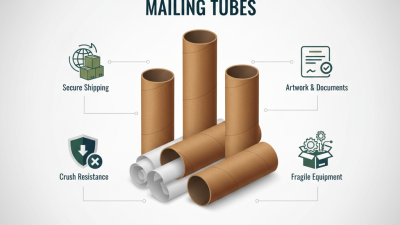
When considering industrial cardboard tubes, think about the intended use. Are you packaging delicate items, or do you need sturdy tubes for heavy products? It's essential to match the tube's strength and dimensions to your specific requirements. Quality matters; inferior products can lead to damage and waste.
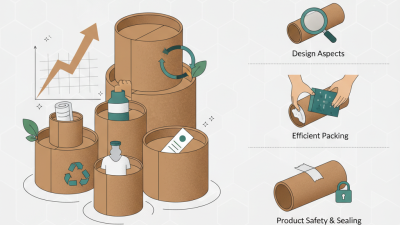
Don't overlook environmental factors. Recyclability and sustainability are crucial today. Many cardboard tubes are eco-friendly, but not all are created equal. Reflecting on these details ensures you choose the best tubes for your needs. The goal is to find a balance between durability and cost-efficiency, which can be challenging.
Understanding the Different Types of Industrial Cardboard Tubes
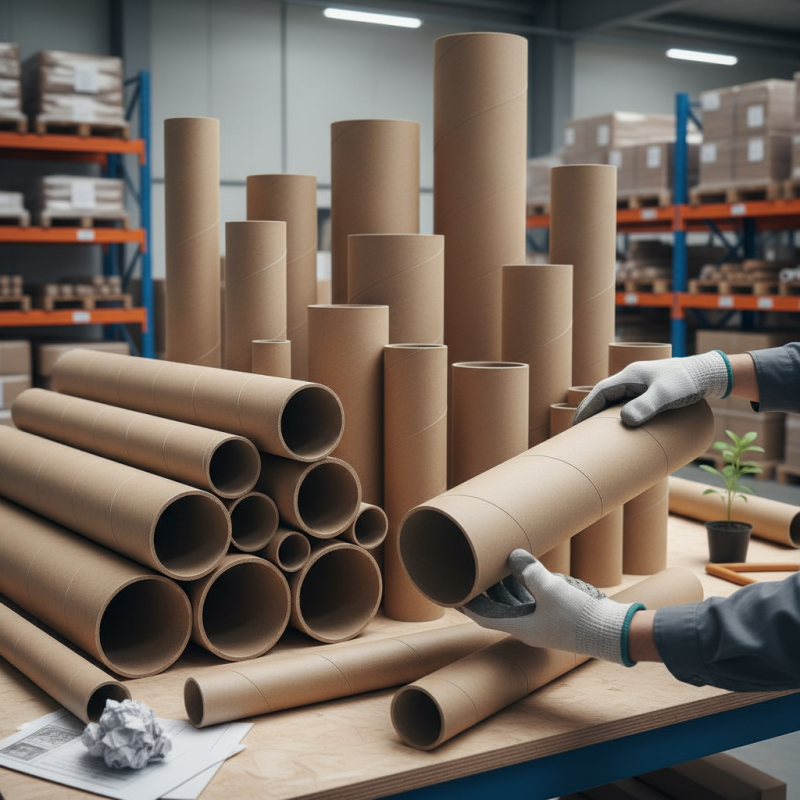
When it comes to industrial cardboard tubes, understanding the various types is crucial. These tubes vary widely in size and design. You might consider standard round tubes, which are versatile. They are commonly used for packaging textiles and rolls of paper. However, square or rectangular tubes offer unique advantages. They maximize space and can be stacked more efficiently.
Another important category is the heavy-duty cardboard tube. This type is built to withstand more weight, making it suitable for shipping heavier items. On the other hand, lightweight tubes are cost-effective for lighter products. It's essential to assess your specific needs before making a choice.
You might overlook the exterior finish as well. Smooth surfaces allow for easier printing. But if durability is key, consider a rough finish that can handle more wear and tear. It’s important to reflect on the intended use and choose the type that aligns with your goals. Ultimately, asking the right questions can lead to better decisions in selecting the appropriate tube type for your industrial needs.
Factors to Consider When Choosing the Right Size of Tubes
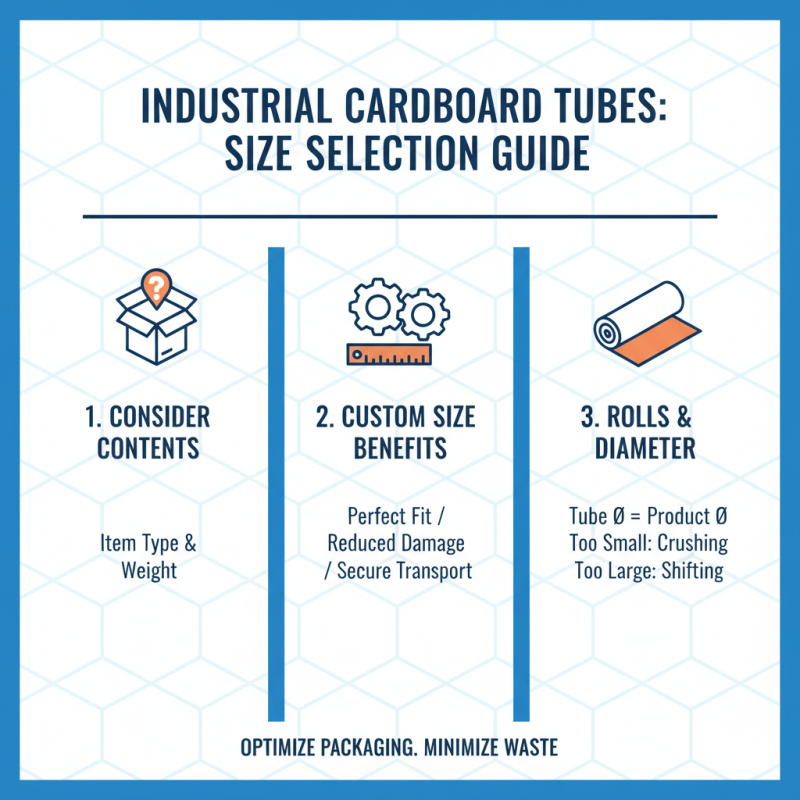
When selecting the right size of industrial cardboard tubes, consider the items they will hold. Custom-sized tubes can ensure a perfect fit. If you’re packaging rolls of materials, the diameter matters. A tube too small may crush the product, while one too large can lead to shifting or damage.
Length is another crucial factor. Measure your products accurately before making a purchase. An incorrect length can result in wasted materials or additional costs. Many industries need precision, and a miscalculated size can have significant repercussions.
Moreover, consider the weight of the items inside. Heavier products require sturdier tubes. Testing the cardboard’s strength should not be overlooked. Sometimes, standard options aren’t sufficient for heavier loads. Adjusting your specifications based on real-world use is vital for success. Embrace the reality of trial and error in your choices.
Assessing the Strength and Durability of Cardboard Tubes
When selecting industrial cardboard tubes, assessing strength and durability is crucial. Cardboard tubes mainly consist of recycled paper, offering sustainability. However, not all tubes are created equal. Reports show that tubes made with higher grammage paper have better load-bearing capacities. This directly relates to their strength in industrial applications.
Tips: Check the tube’s wall thickness. Thicker walls provide enhanced durability. Conduct compression tests if possible. Ensure these tubes can withstand your specific requirements.
In the real world, conditions can vary. Tubes exposed to humidity may weaken over time. It’s vital to consider the environment they’ll be used in. Some suppliers overlook these factors, leading to inferior performance. Data suggests that cardboard tubes perform well under dry conditions, but moisture can be a game changer. It’s essential to verify the specifications against your use case.
Essential Tips for Choosing Industrial Cardboard Tubes: Strength and Durability Assessment
Evaluating the Cost-Effectiveness of Industrial Cardboard Tubes
When deciding on industrial cardboard tubes, evaluating cost-effectiveness becomes crucial. Research shows that approximately 30% of businesses experience substantial savings when switching from plastic to cardboard. This shift not only enhances sustainability but can also reduce material costs by nearly 15%. Cardboard tubes are lightweight. This means lower shipping costs, which is a significant factor for many companies.
However, it's essential to consider quality against cost. Not all cardboard tubes are created equal. Some lower-cost options may compromise durability, leading to increased waste. A recent industry report indicated that businesses using high-quality cardboard tubes reported a 20% decrease in product damage during transport. Investing in robust options seems wise, yet it comes at a higher initial cost.
Also, varying specifications can affect overall cost-effectiveness. For instance, customized shapes and sizes may increase upfront expenses but can optimize storage space. A smarter approach is to analyze long-term benefits rather than just initial costs. Can the potential for reduced waste and lower freight charges justify a higher initial investment? It's a complex decision, requiring careful thought and analysis.
Essential Tips for Choosing Industrial Cardboard Tubes - Evaluating the Cost-Effectiveness of Industrial Cardboard Tubes
| Dimension (mm) |
Wall Thickness (mm) |
Weight (kg) |
Cost per Unit ($) |
Applications |
| 100 x 200 |
5 |
0.15 |
1.00 |
Packaging, Crafts |
| 150 x 300 |
7 |
0.25 |
1.50 |
Shipping, Storage |
| 200 x 500 |
10 |
0.50 |
2.00 |
Construction, Manufacturing |
| 250 x 600 |
12 |
0.75 |
2.50 |
Arts, Electronics |
Sustainability Factors in Selecting Cardboard Tube Materials
When selecting industrial cardboard tubes, sustainability should be a top priority. Many manufacturers overlook the impact of their materials. Choosing eco-friendly options can significantly reduce waste. Look for tubes made from recycled paper and those that are recyclable. This helps in minimizing landfill contributions. Some tubes may be treated with chemicals that can hinder recycling. This is a factor that needs careful consideration.
Another aspect is the source of the materials. It's crucial to choose tubes made from responsibly sourced paper. This often means the use of renewable resources, which is better for the environment. However, not all brands are transparent about their sourcing practices. This can lead to confusion and sometimes disappointment. Engaging with suppliers on sustainability can clarify these details. It’s essential to ask questions and seek clarity to avoid potential pitfalls.
The manufacturing process also plays a vital role in sustainability. Energy consumption, emissions, and water use during production matter. Not every manufacturer prioritizes eco-friendly practices. Some may still rely on outdated methods that could harm the environment. Understand that not all cardboard tubes are created equal. A bit of research into production methods can make a difference. Sustainability should always guide your choices in selecting cardboard tubes.