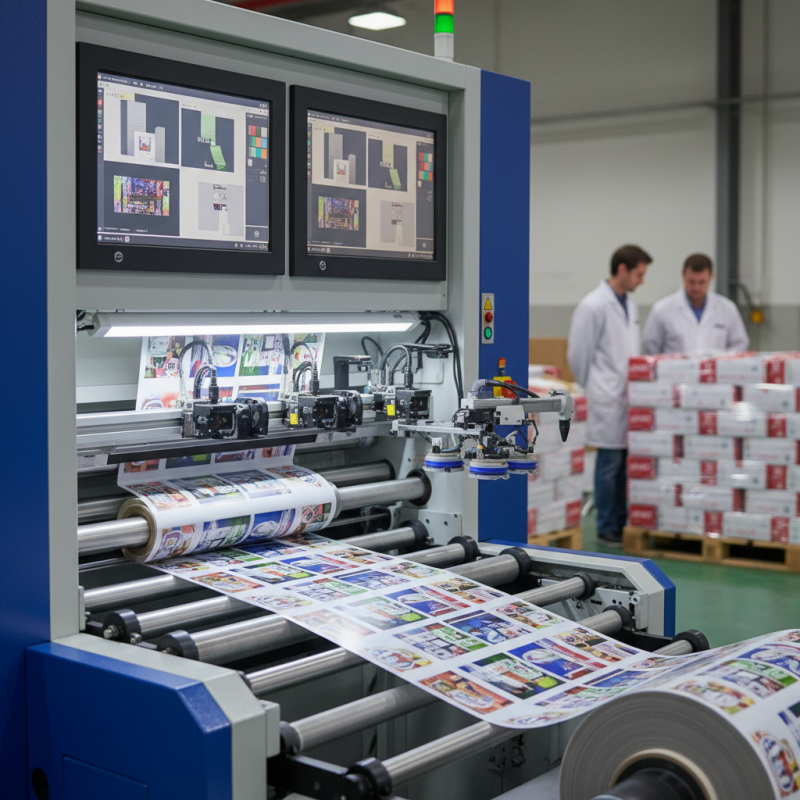
What is Print Inspection and Why is it Important?
Print Inspection is a critical process in the printing industry. This process ensures that printed materials meet high standards. It helps identify defects early in production. Missed flaws can lead to wastage and dissatisfaction.
In any print run, quality control is essential. Print Inspection involves examining colors, alignment, and overall output. Even minor errors can compromise a company's reputation. These errors can occur without prior notice. Each print goes through rigorous checks to maintain consistency.
Quality is paramount, but flaws may slip through the cracks. This reality forces businesses to rethink their inspection techniques. Continuous improvement is necessary for success. By refining Print Inspection processes, companies can enhance product quality and customer trust.
What is Print Inspection?
Print inspection refers to the process of examining print quality throughout production. It ensures that each printed output meets specific standards. Poor print quality can lead to damaged reputations and lost customers. This is why thorough print inspection is crucial.
During print inspection, various aspects are evaluated. Color accuracy, alignment, and clarity are vital factors. Inspectors check for smudges or misprints. They also assess if the final product matches design specifications. However, errors can slip through the cracks. Inspection methods might miss subtle flaws. This inconsistency shows the importance of continual improvement in inspection techniques.
In some cases, machines handle inspections. Automated systems can speed up the process. Yet, human oversight can catch what machines miss. A blend of both approaches often yields the best results. Continuous training for inspectors is necessary. They must adapt to evolving printing technologies and standards.
Key Technologies Used in Print Inspection
Print inspection is a crucial process in the manufacturing of printed materials. It helps ensure that products meet quality standards. Key technologies in print inspection play vital roles in this area. High-resolution cameras capture images of the printed output. These cameras analyze each print for defects or inconsistencies. Automated systems flag any issues in real-time, which can prevent costly errors.
Another important technology is image processing software. This software enhances the quality of the captured images, making it easier to detect imperfections. The algorithms can recognize patterns and colors, immediately alerting operators to potential problems. Even with advanced tech, occasional misreads can occur. This may lead to false positives or negatives, requiring human intervention.
Additionally, laser scanning technology is sometimes employed. This method measures the thickness of printed layers. It can ensure proper ink application and consistency across batches. However, it can miss subtle defects, especially in complex designs. Balancing automation with human oversight is often necessary to achieve optimal results. Imperfections may still slip through, reminding us of the need for constant improvement.
What is Print Inspection and Why is it Important?
| Inspection Technology | Description | Importance |
| Visual Inspection | Manual checking of printed material for errors and quality issues. | High level of human oversight can catch subtle issues. |
| Camera-Based Inspection | Automated systems use cameras to inspect printed products in real-time. | Increases speed and accuracy of inspections, reduces human error. |
| Vision Systems | Advanced imaging technology that analyzes print quality at high speeds. | Essential for high-volume production, ensures consistent quality. |
| Spectrophotometry | Measures color consistency and accuracy in prints. | Crucial for maintaining brand colors and visual identity. |
| Barcode Verification | Checks the accuracy and scannability of printed barcodes. | Ensures product traceability and inventory accuracy. |
The Importance of Print Inspection in Quality Control
Print inspection plays a vital role in ensuring product quality. It involves systematic checks of print quality during production. According to the latest industry reports, 90% of consumers say they base their purchasing decisions on packaging quality. An eye-catching label is essential, but defects can ruin a brand’s reputation.
In an era of increasing competition, businesses cannot afford to overlook print defects. The industry standard suggests that companies lose up to 5% of their revenue due to poor print quality. This includes misprints, color inconsistencies, and inadequate finishing. Each of these issues can lead to customer dissatisfaction. With 80% of consumers willing to pay more for better quality, consistent print inspection processes can significantly boost a company’s bottom line.
Neglecting print inspection can lead to costly mistakes. A recent survey found that 67% of quality managers believe that human error is a leading cause of print defects. This highlights the need for effective quality control measures. Implementing automated inspection can reduce these errors. However, relying solely on technology is not enough. Regular training for staff is equally essential to maintain high standards.
Common Issues Detected by Print Inspection Techniques
Print inspection plays a critical role in maintaining quality in the printing industry. It helps identify various defects that can compromise the final output. Common issues detected by print inspection techniques include color mismatches, streaks, smudges, and unwanted marks. These problems can arise from various sources, such as equipment malfunctions or improper handling of materials.
One significant issue is color consistency. Variations in color can occur due to ink inconsistencies or calibration errors in printers. Streaks or smudges can result from insufficient drying time. These imperfections are often overlooked during production. They can lead to customer dissatisfaction. Look for these issues early in the process.
Another frequent problem is misalignment. This can occur during the printing or cutting phases. Misalignment can result in images or text appearing off-center. In some cases, the differences may be subtle yet noticeable. Regular inspections can help catch these flaws before they become major issues. This proactive approach is essential for maintaining high-quality standards in printing.
Future Trends in Print Inspection Technologies
Print inspection technologies are evolving rapidly. Innovations in artificial intelligence and machine learning are changing the landscape. A 2023 report by Smithers revealed that the global print inspection market is expected to grow by 6.5% annually. This growth is accelerating due to increased demand for quality assurance.
Future trends forecast greater integration of automation. This allows real-time monitoring of print quality. Automated systems can detect errors or inconsistencies faster than human inspectors. However, they also raise concerns. Can technology fully replace human oversight? The risk of over-reliance on machines must be considered. Human judgment is vital for nuanced decisions.
Additionally, advancements in sensor technology are on the rise. These sensors can identify even minor defects. According to a recent analysis, about 80% of print professionals believe that better defect detection will enhance overall production quality. Yet, manufacturers need to balance innovation with practicality. Sometimes, the implementation of new systems can disrupt existing workflows. Finding that balance is crucial moving forward.
Print Inspection Technologies: Importance and Future Trends
This chart illustrates the importance levels of various aspects of print inspection technologies. Image quality and color consistency are deemed the most critical factors, indicating a strong focus on quality in printing processes. As inspection technology evolves, these dimensions will continue to play a pivotal role in ensuring efficient and effective printing outcomes.