What is Precision Castings and How Can It Benefit Your Business?
Precision Castings have revolutionized manufacturing across various industries. This technique allows for intricate designs and high precision in creating metal parts. According to a report by the Foundry Industry Association, the global market for precision castings is projected to reach $35 billion by 2025. This growth highlights its increasing importance in sectors such as aerospace, automotive, and medical devices.
John Smith, a leading expert in precision castings, states, "Precision castings are essential for businesses aiming for high-quality standards with reduced waste." His insight underscores the significance of precision castings in improving production efficiency while minimizing material costs. Businesses can benefit from better performance and durability in their final products.
Despite the advantages, some challenges exist. Achieving accurate molds can be complex, and initial costs may deter smaller businesses. However, investing in precision castings often pays off in the long run. With a focus on quality, the potential return on investment becomes more visible. Embracing precision casting techniques can lead to remarkable advancements for forward-thinking companies.
What are Precision Castings and How Do They Work?
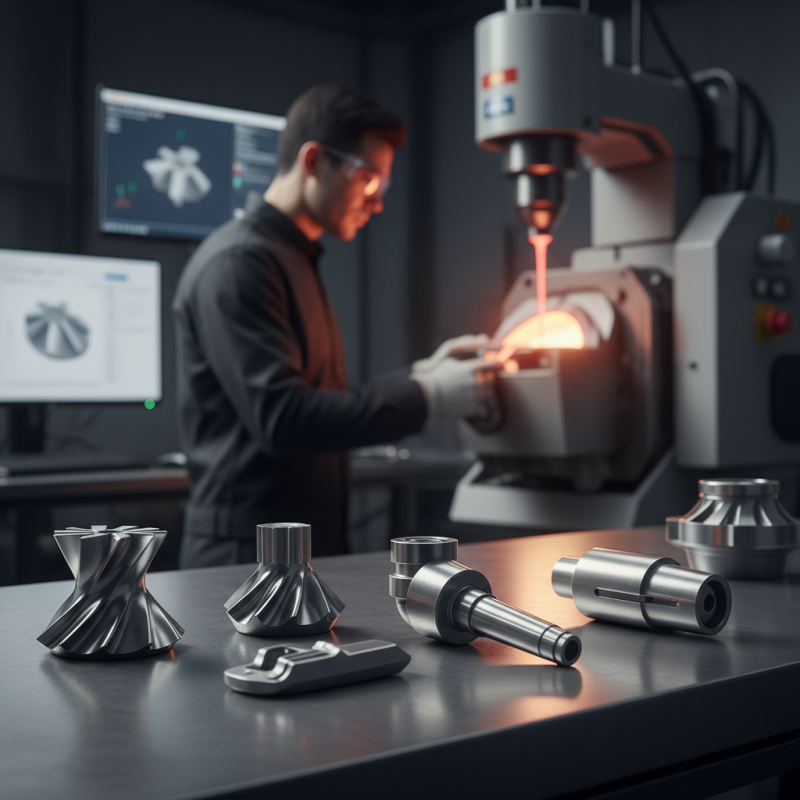
Precision castings are an advanced manufacturing technique that allows for the production of complex shapes with tight tolerances. These castings often utilize a process known as lost-wax casting, where a wax model is coated in ceramic, creating a mold. After melting away the wax, molten metal is poured into the mold, solidifying into precise forms. This technique is notably effective for materials like steel and aluminum, which are commonly used in aerospace and automotive applications.
According to industry reports, the precision casting market is projected to grow significantly, reaching a value of $38 billion by 2026. This growth highlights the increasing demand for high-quality, cost-effective manufacturing solutions. One significant benefit of precision castings is their ability to minimize waste. Traditional machining can lose up to 70% of the raw material. In contrast, precision castings typically only lose about 10%.
While the advantages are clear, challenges do exist. For instance, setting up precision casting processes can involve substantial upfront costs. Companies must also ensure quality control throughout the casting process to avoid defects. Even minor imperfections can lead to failures in high-stakes applications. Therefore, businesses must weigh these factors carefully before fully committing to precision casting.
The Advantages of Using Precision Castings in Manufacturing
Precision castings refer to an advanced manufacturing technique that creates intricate shapes and sizes with remarkable accuracy. This process ensures that parts are durable and fit their intended applications precisely. By utilizing precision castings, businesses can reduce material waste, leading to cost savings. Better fitting components streamline assembly, enhancing overall efficiency.
The advantages extend beyond cost savings. Precision castings provide design flexibility. Manufacturers can experiment with complex shapes that might be challenging with traditional methods. This flexibility often leads to innovative products that stand out in the market. However, the initial setup costs can be significant, which may deter some businesses from adopting this method.
Another point to consider is the learning curve. Workers may require training to handle advanced machinery effectively. Missteps in the casting process can lead to defects, affecting quality. While precision castings offer many benefits, businesses must weigh these risks against potential rewards. Commitment to quality assurance processes becomes essential to minimize errors and maximally utilize this manufacturing technology.
Applications of Precision Castings Across Various Industries
Precision castings play a vital role in many industries, enhancing product quality and manufacturing efficiency. These castings are utilized in sectors like aerospace, automotive, and medical devices. Research indicates that the global precision casting market is expected to reach $25 billion by 2025, underscoring the growing demand. Companies in aerospace rely on precision castings for complex components, ensuring safety and reliability in flight.
The automotive industry also significantly benefits from precision castings. High-performance engine parts and transmission components are often produced using this technique. A study by the American Foundry Society reveals that precision castings can reduce production time by up to 25%. This efficiency helps manufacturers meet tight deadlines while maintaining high quality. However, companies must be cautious about sourcing methods to avoid potential defects that could arise from subpar materials.
Medical devices require stringent standards, and precision casting meets these needs. Components for surgical instruments and implants are crafted with extreme precision. The process allows for intricate designs that improve functionality and patient outcomes. Yet, manufacturers face challenges in ensuring consistent quality. Striving for excellence in this field involves constant improvements and innovations in casting processes. As demand grows, businesses must remain vigilant about maintaining high standards while adapting to market changes.
What is Precision Castings and How Can It Benefit Your Business? - Applications of Precision Castings Across Various Industries
| Industry | Applications | Benefits |
| Aerospace | Engine components, structural parts | Lightweight, high strength |
| Automotive | Transmission housings, fuel system parts | Improved efficiency, reduced weight |
| Manufacturing | Machine tools, industrial equipment | Cost-effective, versatile |
| Oil and Gas | Valve bodies, pipe fittings | Durability, resistance to harsh environments |
| Medical | Surgical instruments, implants | Precision, reliability |
| Electronics | Heat sinks, enclosures | Thermal management, lightweight |
Selecting the Right Precision Casting Supplier for Your Business
Choosing the right precision casting supplier is crucial for your business. Precision castings are essential for producing complex parts with high accuracy. However, not all suppliers are created equal. A reliable supplier will ensure your project meets specifications and quality standards. According to a report by the American Foundry Society, nearly 70% of companies report higher costs when working with subpar vendors.
When evaluating suppliers, consider their experience in your industry. A supplier with a proven track record can provide insights and advice on material selection and design optimization. It's also wise to look at their production capabilities. Are they equipped to handle large volumes or custom orders? A study from the Precision Metalforming Association shows that 58% of businesses encounter delays due to inadequate supplier resources.
Tips: Ask for references and case studies. This helps to gauge reliability. A well-structured quality assurance process is a good sign. Review their certifications and compliance with industry standards. If possible, visit their facility for a hands-on evaluation. Genuine engagement in the partnership matters greatly.
Finding a good precision casting supplier can take time. Don’t rush the process. Allow yourself to assess candidates thoroughly. A poor decision could lead to costly mistakes and project delays. Embrace the selection process as an opportunity to enhance your business practices.
Best Practices for Implementing Precision Castings in Production Processes
Precision castings offer significant advantages for manufacturing processes. To implement them effectively, certain best practices should be considered. One key aspect is choosing the right materials. Different materials can impact the finish and performance of castings. It’s vital to assess the requirements of your products. Engaging with expert suppliers can provide insights into suitable material selection.
Another essential practice is optimizing the design for manufacturability. This means simplifying your casting designs to enhance production efficiency. Complex geometries can increase costs and lead times. Striking a balance between design aesthetics and manufacturability is crucial. Regularly reviewing designs with engineers can help identify potential improvements.
Training your workforce also plays a critical role. Skilled operators can significantly reduce errors and improve output quality. Investing in training fosters a culture of continuous improvement. It encourages employees to share insights, but it is essential to remain open to feedback. Reflection on current practices can reveal new avenues for efficiency.
Impact of Precision Castings on Production Efficiency