
What Are Permeable Bulk Bags and How Do They Work?

Permeable Bulk Bags are flexible containers designed to let air, moisture, or fine particles move through controlled areas of their fabric. They are commonly used for agricultural products, minerals, compost, firewood, and other dry materials needing ventilation. Unlike standard woven polypropylene bags, their structure may include breathable fabric, mesh panels, or carefully engineered perforations.

The principle is simple. Air enters. Moisture escapes. Pressure can equalize.

Yet the details matter. Fabric openness, coating, liner selection, filling density, and storage conditions all affect performance. A bag that works well for dry wood may fail with damp grain or dusty powder. Product behavior must be assessed before choosing a design.

“Permeability is useful only when it matches the material and the handling environment,” explains John Chaffee, a recognized FIBC technical consultant. His point deserves attention because permeability is not an automatic safety feature. It can improve ventilation, but it may also allow contamination, leakage, or moisture intrusion when poorly specified.

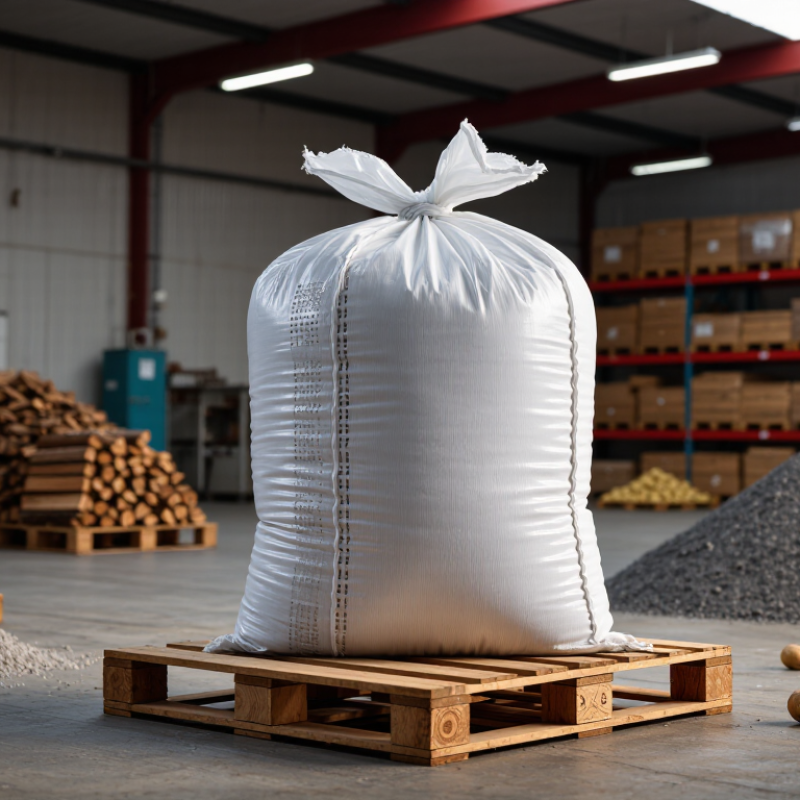
In practical use, imagine a filled bag resting on a warehouse pallet. Warm air moves through the woven walls, while small gaps reduce condensation around the product. However, direct rain, uneven stacking, or a blocked mesh panel can quickly change the result. Real performance is rarely perfect.

This guide, What Are Permeable Bulk Bags and How Do They Work?, examines their construction, airflow behavior, suitable applications, and limitations. It also considers testing, lifting safety, storage practices, and material compatibility. Good specifications require evidence, not assumptions. Even experienced buyers should review the bag design against the product, environment, and handling equipment.
What Are Permeable Bulk Bags and How Do They Work?

What Are Permeable Bulk Bags?

What Are Permeable Bulk Bags?

Permeable bulk bags are flexible containers designed to let air and water vapor move through their fabric. Most use woven polypropylene with carefully controlled gaps. These openings support ventilation around grains, seeds, powders, and other dry materials. They do not make the contents waterproof.

Airflow works through pressure and temperature differences. Warm, humid air can move outward when conditions allow. This helps reduce condensation inside the bag. However, permeability depends on weave density, coatings, liners, and filling pressure. A tightly packed bag may breathe less than expected. The term is not perfectly standardized, so buyers should check technical specifications rather than trust the label alone. ISO 21898 outlines important requirements for flexible intermediate bulk containers used with non-dangerous goods. The FAO reported that about 14% of food was lost between harvest and wholesale in 2019. Better packaging cannot solve every storage problem, but ventilation may support better handling. The UNEP Food Waste Index Report 2024 estimated 1.05 billion tonnes of food waste in 2022, making practical storage controls increasingly important.

Tips: Match the bag’s airflow rating with the material and climate. Keep bags off wet floors. Inspect seams, lifting loops, and fabric before filling. For moisture-sensitive goods, test one filled bag first. Small trials reveal weaknesses. Avoid assuming breathable means moisture-proof. Temperature changes, stacking pressure, and local humidity can still create problems.

How Are Permeable Bulk Bags Constructed?

Permeable bulk bags are built to let air move through their walls while carrying dry, free-flowing materials. Their main body usually uses uncoated woven polypropylene tapes. These tapes cross at right angles, creating small, controlled gaps. Some designs add mesh panels or micro-perforated sections for faster ventilation. The fabric must remain strong enough for lifting. It cannot simply be made loose.

The lifting loops are stitched into reinforced corners or sewn around the bag’s upper body. Multiple rows of thread spread the load across the fabric. A discharge spout may be fitted at the bottom, while a filling spout sits above. Seams need careful folding and consistent stitching. A weak seam can fail, even when the fabric looks sound. In practical inspections, thread tension and corner reinforcement often deserve more attention than appearance. No construction suits every material.

Tips: Check fabric openness, seam quality, loop strength, and the required safe working load. Keep the bag dry during storage. Test airflow with the actual filling material, because powder behavior can differ from expectations. A breathable design may reduce condensation, but it does not guarantee complete moisture protection. That limitation matters.

What Are Permeable Bulk Bags and How Do They Work? - How Are Permeable Bulk Bags Constructed?

Construction Dimension Typical Material or Specification How It Works Practical Considerations
Main Fabric Woven polypropylene or polyethylene tape fabric; commonly uncoated when air and moisture transfer are required. The fabric is formed from interlaced flat tapes. Small openings between the tapes allow air or vapor to pass through while retaining the majority of the filled material. Fabric construction should match the product’s particle size, weight, handling method, and required ventilation level.
Weave Pattern Plain woven construction is widely used; tape spacing and weave density determine the effective opening size. A more open weave generally increases permeability, while a tighter weave improves particle retention and fabric strength. The opening must be small enough to limit leakage but sufficiently open for the intended airflow or drainage performance.
Permeability Specified according to air or water flow through the fabric; the actual value varies with fabric weight, weave, and testing method. Pressure differences drive air or moisture through the fabric. This can help release trapped air during filling and reduce condensation in suitable applications. Permeability should be confirmed using a documented test method because results are not directly comparable when test conditions differ.
Fabric Weight Often selected within approximately 80–220 g/m² for general flexible intermediate bulk container applications, depending on design loads. Heavier fabric usually provides greater tear and puncture resistance, while lighter fabric can provide better flexibility and may allow more airflow. Fabric weight alone does not determine safe working load; weave quality, seam strength, and lifting design are equally important.
Bag Body Common shapes include square or rectangular bodies with capacities frequently ranging from about 500 to 2,000 liters. The body contains the bulk material and transfers the load to the seams, lifting loops, and supporting structure during handling. Dimensions should be selected according to filling equipment, storage space, pallet size, and the material’s bulk density.
Top Construction Open top, duffle top, filling spout, or other inlet configuration made from woven fabric or a compatible flexible component. The top provides access for filling and may be designed to help distribute material evenly inside the bag. A closable top is useful when the contents must be protected from contamination, while an open top may simplify fast filling.
Bottom Construction Plain bottom, discharge spout, or flapped discharge outlet, typically reinforced around the opening. The bottom controls how the contents are emptied and helps direct the flow during discharge. Discharge design should account for material flowability, dust control, bridging risk, and the receiving equipment.
Lifting Loops Four corner loops made from woven polypropylene webbing or integrated fabric extensions. The loops transfer the filled bag’s load to a forklift, crane, or lifting frame when all required lifting points are engaged correctly. Loop configuration, loop length, stitching, and lifting angle affect handling safety. The rated safe working load must not be exceeded.
Seams Lockstitch, chainstitch, overlock, or combination seams using high-strength synthetic thread. Seams join the panels and concentrate the load around the bag body, top, bottom, and lifting attachments. High-stress areas may require multiple rows of stitching, folded hems, binding tape, or additional reinforcement panels.
Dust-Control Features Tighter fabric, internal flaps, spout closures, dust-proof seams, or a removable inner liner when required. These features reduce the escape of fine particles while allowing the outer bag to retain its flexible bulk-handling function. Fully dust-tight construction can reduce airflow, so dust protection and permeability must be balanced for the application.
Inner Liner Optional polyethylene or polypropylene liner, usually selected when moisture, hygiene, or fine-powder containment is important. The liner acts as a continuous barrier inside the permeable outer fabric and can reduce contact between the product and the surrounding environment. A liner can change the bag’s ventilation behavior. It should be fitted securely to avoid folding, blockage, or interference with filling and discharge.
Reinforcement Areas Additional fabric or webbing at corners, lifting points, top and bottom openings, and high-wear surfaces. Reinforcements distribute concentrated loads and improve resistance to abrasion, tearing, and repeated handling. Reinforcement should support the load path without unnecessarily blocking the breathable area of the bag.
Stabilizing Panels Optional internal baffles sewn between the bag walls to create compartments. Baffles limit outward bulging and help the filled bag maintain a more rectangular shape during stacking and transport. Baffles can improve space utilization but may affect filling speed, discharge behavior, and internal airflow.
Coating Uncoated fabric for maximum permeability; coated fabric may be used selectively for increased moisture or dust resistance. A coating partially or fully closes the fabric openings, reducing the movement of air and moisture through the affected area. Coating should be limited to the performance requirement because excessive coverage can reduce ventilation and increase heat or moisture retention.
Safe Working Load Common designs are rated around 500–2,000 kg, but the allowable load is determined by the complete tested bag design. The rated load reflects the combined performance of the fabric, seams, lifting loops, construction, and handling conditions. The safe working load is not the same as the bag’s volume capacity. Testing and handling instructions should be followed for every design.
Typical Applications Ventilated agricultural products, dry mineral materials, selected chemical powders, food ingredients, and moisture-sensitive bulk goods. Permeable construction can support ventilation, reduce trapped air, and provide efficient bulk packaging when the contents are compatible with the fabric. The bag is not automatically suitable for every product. Compatibility, dust behavior, moisture sensitivity, hygiene requirements, and regulations must be assessed first.

Note: Permeability, safe working load, dimensions, and construction details vary by design. Final specifications should be verified through product testing and the applicable packaging and lifting requirements.

How Does Air and Moisture Move Through the Bag?

Permeable bulk bags are flexible containers made from woven fabric with controlled openings. Those openings let air move around stored powders, granules, or agricultural materials. The bag does not breathe like skin. Instead, pressure differences push air through tiny gaps between woven tapes. A dry breeze can enter. Dust may also escape if the fabric is too open or damaged.

Moisture behaves differently. Water vapor can pass through some uncoated fabrics, especially when warm, humid air meets cooler air inside the bag. Liquid water usually does not pass easily through tight woven fabric, but seams, folds, and punctures can admit rain. A coated surface or inner liner reduces exchange, yet it may trap condensation. That detail matters in warehouses with changing temperatures. Ventilation around the filled bag remains important.

In practical inspections, I look for clumped material near the lower corners, damp patches, and softened stitching. These signs can reveal moisture movement before the product looks visibly wet. Airflow is also affected by how tightly the bag is filled. Overfilling stretches the weave and changes its pore structure. It may improve dust control, or it may create weak points. I once assumed a permeable bag would dry contents evenly; that assumption was too simple. The fabric, liner, closure, load, and storage floor all influence the result. Small gaps matter.

What Are Permeable Bulk Bags and How Do They Work?

How air and moisture move through woven bag fabric

Permeable bulk bags are commonly made from woven polypropylene fabric containing small openings between the yarns. Air movement is driven mainly by pressure differences across the fabric, while moisture vapor moves from areas of higher vapor pressure toward areas of lower vapor pressure. As temperature rises, the saturation vapor pressure of water increases, creating greater potential for moisture transfer when a vapor-pressure gradient exists. The air-density values shown are standard reference values for dry air at sea-level pressure.

Reference values: approximate saturation vapor pressure over water and dry-air density at standard atmospheric pressure.

What Materials and Products Suit Permeable Bulk Bags?

Permeable bulk bags are made from woven polypropylene, mesh fabric, or specially vented synthetic textiles. Their open structure allows air to move through stored goods. This airflow helps release heat, reduce condensation, and slow moisture buildup. It works best when the product also needs ventilation. Dry onions need this.

These bags suit potatoes, garlic, onions, firewood, wood chips, bark, compost, and selected agricultural materials. They can also hold damp, non-leaking products when drainage and airflow are important. Coarser mesh improves ventilation but may lose small particles. Fine woven fabric holds smaller pieces but breathes less freely. That trade-off is easy to underestimate. Test a sample.

Material selection should match product weight, abrasion, moisture, and particle size. Rough wood pieces may require stronger fabric and reinforced lifting loops. Delicate produce needs a softer inner surface to reduce bruising. Permeable bags are poor choices for liquids, very fine powders, or products requiring airtight protection. Powder can escape through tiny openings. Moisture can enter during outdoor storage. Check the safe working load, stitching, and ventilation pattern before filling. For food-contact use, verify material suitability and applicable local requirements. Storage conditions matter too. Airflow can disappear when bags are stacked tightly against walls. That detail is often missed.

How Should Permeable Bulk Bags Be Handled and Stored?

Permeable bulk bags allow air and moisture vapor to move through their fabric. This design can help reduce condensation around dry agricultural materials and other breathable products. However, permeability does not make the bag waterproof. Handling still requires care, especially during changing weather.

Inspect each bag before lifting. Look for torn seams, damaged loops, stretched fabric, or contamination. Use all lifting loops evenly, and keep the forks or lifting frame centered. Never drag a filled bag across concrete. Sharp edges can cut the fabric quickly. Keep loads within the stated capacity, and avoid sudden movements.

In practice, rushed handling causes many preventable failures. I have found that a quick inspection often reveals problems before they become expensive.

Tips: Store bags on a clean, dry, level surface, preferably on pallets or another raised platform. Leave space between stacks for airflow. Keep them away from standing water, direct sunlight, chemicals, rodents, and rough walls. Do not stack bags unless their construction and load limits allow it. Covering them with a breathable sheet may help outdoors, but sealed plastic can trap moisture. Check stored bags after rain, temperature changes, or long periods of inactivity. Good storage is not complicated, but it is easy to overlook.

Scroll to Top