What is Paper Tube Packaging and Its Benefits for Sustainable Packaging Solutions
In recent years, the demand for sustainable packaging solutions has surged, driven by the increasing awareness of environmental issues and the need for businesses to adopt eco-friendly practices. One innovative solution that has gained traction is paper tube packaging. This versatile and sustainable alternative offers numerous benefits over traditional packaging materials, making it an attractive option for companies looking to reduce their ecological footprint. Paper tube packaging not only provides effective protection for products but is also biodegradable, recyclable, and often made from renewable resources.
The advantages of paper tube packaging extend beyond its environmental impact. Its customizable nature allows brands to create unique designs that enhance product appeal while maintaining functionality. Additionally, paper tube packaging can be used across various industries, ranging from food to cosmetics, making it a highly adaptable choice for businesses. As consumers increasingly seek products that align with sustainable practices, the shift towards paper tube packaging represents a significant step in the right direction, promoting a circular economy and reducing waste. This article will explore the key aspects and benefits of paper tube packaging as a sustainable solution, highlighting its importance in today's packaging landscape.
Definition of Paper Tube Packaging and Its Components
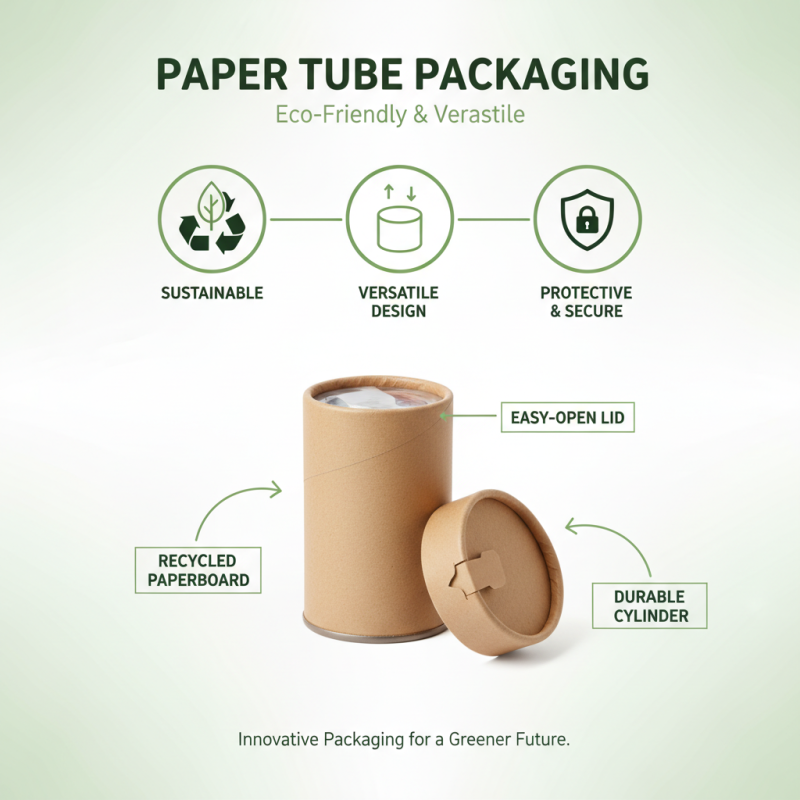
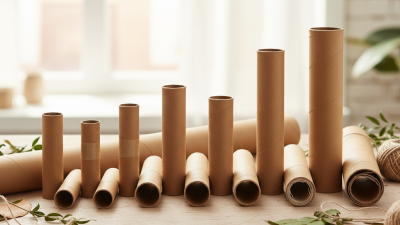
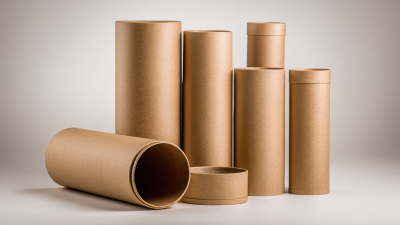
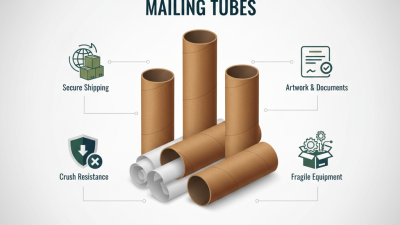
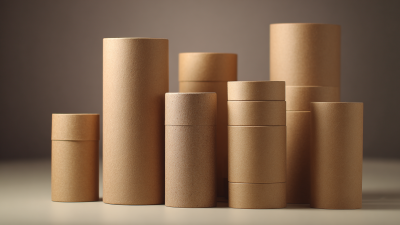
Paper tube packaging is an innovative and eco-friendly solution that has gained popularity for its versatility and sustainability. At its core, paper tube packaging consists of a cylindrical structure made primarily from paperboard or recycled paper. The design typically includes a rolled paper body, which is usually quite strong and can be produced in various diameters and lengths. The lid and base of the tube may be made from the same paper material, often featuring a secure closure mechanism, ensuring that the contents are protected while remaining easily accessible.
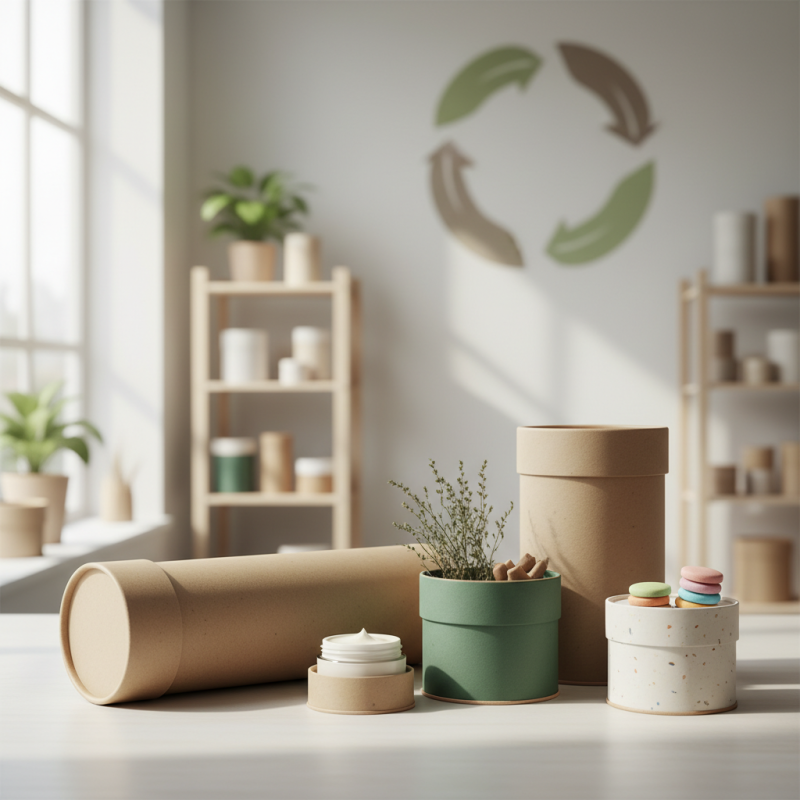
The components of paper tube packaging play a significant role in its functionality and appeal. The outer layer can be printed with colorful graphics and branding, making it an attractive choice for product presentation. Additionally, the use of biodegradable adhesives and coatings enhances the ecological viability of the packaging. The lightweight nature of paper tubes contributes to reduced transportation emissions, and since they are recyclable, they support a circular economy. This makes paper tube packaging an ideal choice for businesses seeking to enhance their sustainability efforts while providing customers with durable and aesthetically pleasing product solutions.
Historical Development of Paper Tube Packaging in the Industry
The historical development of paper tube packaging can be traced back to the early 20th century when manufacturers started to recognize the potential of using paper for packaging solutions. Initially, paper tubes were primarily employed for storing and shipping textiles and reinforcing materials. As industries evolved, so did the applications of paper tube packaging, gradually expanding into food, cosmetics, and consumer goods sectors. The versatility of paper tubing, coupled with advancements in production techniques, made it an attractive option for businesses looking to reduce waste and embrace eco-friendly practices.
Today, paper tube packaging offers a sustainable alternative to plastic and metal containers, which have long dominated the packaging landscape. As environmental concerns rose throughout the decades, the push for biodegradable and recyclable materials gained momentum. Brands in various sectors began transitioning to paper tube solutions, recognizing the benefits of reduced carbon footprints and enhanced brand perception associated with sustainability.
Tip: When considering a switch to paper tube packaging, assess the entire lifecycle of your product’s packaging. Evaluate sourcing, production, and end-of-life disposability to ensure the transition aligns with overall sustainability goals. Additionally, consider investing in custom designs that emphasize your commitment to eco-friendliness—consumers increasingly value brands that reflect responsible practices in their operations.
Environmental Advantages of Paper Tube Packaging for Sustainability
Paper tube packaging offers significant environmental advantages, contributing to the movement towards more sustainable packaging solutions. One of the primary benefits is its renewable nature; paper is sourced from trees, which can be replenished through sustainable forestry practices. Unlike plastic, which is derived from fossil fuels and contributes to environmental degradation, paper tubes can be produced with minimal ecological impact when sourced responsibly. Moreover, they are biodegradable and compostable, breaking down naturally without leaving harmful residues, which aligns with the principles of a circular economy.
Additionally, paper tube packaging presents advantages in terms of waste reduction. As it can be easily recycled, it promotes a more sustainable waste management cycle. Consumers are increasingly aware of the importance of reducing their plastic waste, and paper tubes provide an excellent alternative that meets this demand. Their lightweight structure also means that they require less energy during transportation, further lowering their carbon footprint. In essence, choosing paper tube packaging helps businesses and consumers alike contribute to a more sustainable future, reducing overall reliance on environmentally damaging materials.
Environmental Advantages of Paper Tube Packaging
This bar chart illustrates the environmental benefits of paper tube packaging. The data highlights how this packaging solution contributes significantly to sustainability by reducing carbon footprint, enhancing recyclability, ensuring biodegradability, promoting sustainable sourcing, and minimizing waste.
Applications of Paper Tube Packaging Across Various Sectors
Paper tube packaging is increasingly recognized for its versatility and sustainability in various sectors. Industries such as cosmetics, food and beverage, and consumer electronics are adopting paper tube packaging solutions due to their eco-friendly attributes. According to a report by Smithers Pira, the global paper tube market is projected to grow at a CAGR of 4.7% through 2024, highlighting the shift towards sustainable options in packaging.
In the cosmetics sector, brands are utilizing paper tubes for items like lip balms and mascaras, which not only reduces plastic waste but also appeals to consumers seeking eco-conscious alternatives. The food and beverage industry is leveraging paper tubes for packaging snacks and specialty items, offering a biodegradable solution that meets the increasing consumer demand for sustainable packaging. Additionally, the consumer electronics sector is starting to employ paper tubes for packaging accessories, minimizing their carbon footprint while ensuring product protection.
Research indicates that 66% of global consumers are willing to pay more for sustainable products, and paper tube packaging is becoming a compelling choice for brands aiming to meet these consumer preferences. As businesses strive to enhance their sustainability practices, the adaptability of paper tube packaging across these sectors continues to support their environmental goals while maintaining functionality and aesthetic appeal.
What is Paper Tube Packaging and Its Benefits for Sustainable Packaging Solutions
| Application Sector |
Key Benefits |
Environmental Impact |
Material Characteristics |
| Food and Beverage |
Biodegradable, Lightweight |
Reduced plastic waste |
Recyclable, Natural fibers |
| Cosmetics |
Customizable Design, Premium Appearance |
Lower carbon footprint |
Strength, Durability |
| Retail |
Enhanced Product Visibility, Branding |
Sustainable sourcing |
Custom sizes, Versatility |
| Electronics |
Protection, Cost-Effective |
Less environmental impact |
Lightweight, Recyclable |
| Health and Personal Care |
Safe for Food Contact, Child Resistant |
Promotes circular economy |
Non-toxic, Sustainable |
Future Trends and Innovations in Paper Tube Packaging Solutions
The future of paper tube packaging is being shaped by innovations aimed at enhancing sustainability and efficiency. As more companies seek eco-friendly solutions, the development of biodegradable and recyclable materials is becoming a focal point. Innovations such as water-resistant coatings derived from natural substances are allowing paper tubes to compete with traditional packaging materials while maintaining their environmental advantages. Efforts to incorporate post-consumer recycled fibers into the manufacturing process are also gaining traction, ensuring that the production cycle is not only sustainable but also circular.
In addition to material advancements, there is a significant trend towards customization and smart packaging technology within the realm of paper tubes. Companies are utilizing digital printing techniques to create attractive designs that can enhance brand visibility while minimizing ink waste. Furthermore, the integration of QR codes and other digital elements allows for interactive packaging that engages consumers and provides additional product information. This convergence of functionality and aesthetic appeal positions paper tube packaging as a versatile solution that meets the evolving demands of consumers and brands alike, paving the way for a more sustainable future in packaging.