What is Offset Printing Inspection and Why is it Important?
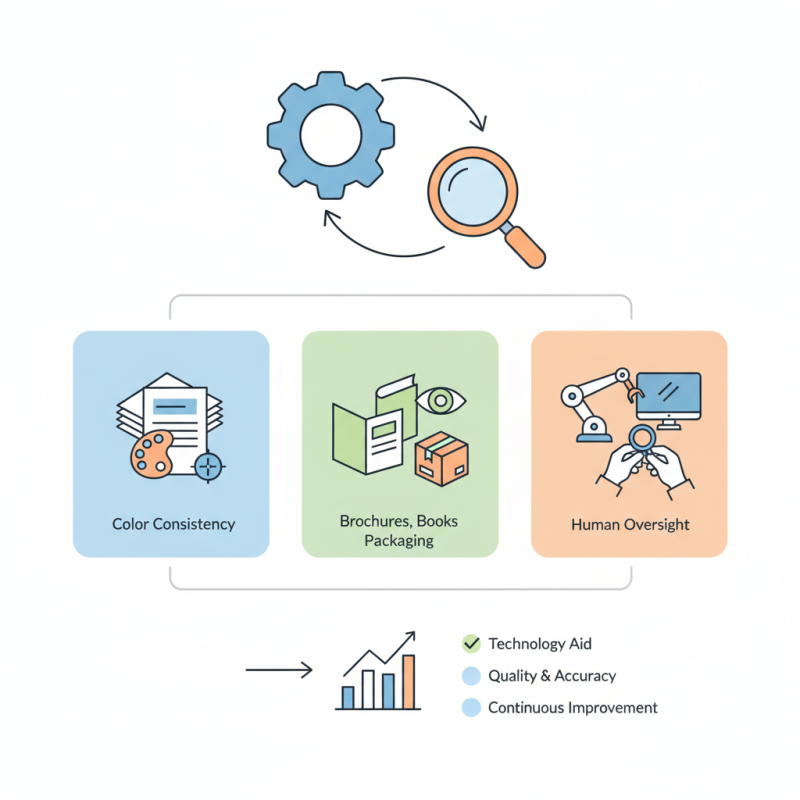
Offset Printing Inspection is a critical process in the printing industry. It ensures the quality and accuracy of printed materials. This inspection method identifies any discrepancies that may arise during production. The significance of offset printing cannot be overstated. Companies rely on this technique for brochures, books, and packaging.
The inspection process involves examining color consistency, registration accuracy, and overall print quality. Even minor imperfections can lead to customer dissatisfaction. A meticulous inspection helps in maintaining high standards. Engaging skilled professionals for this task is essential. Their expertise translates into reliable results.
While technology aids in the inspection process, human oversight remains valuable. Machines might miss subtle flaws that trained eyes can catch. Therefore, a combined approach of technology and human expertise is ideal. Businesses can reflect on their current practices to enhance the efficiency of offset printing inspection. Continuous improvement is the key to staying competitive in the market.
Understanding Offset Printing Inspection: An Overview
Offset printing inspection is a crucial aspect of quality control in the printing industry. It ensures that each printed piece meets specific standards. Studies have shown that up to 30% of printed materials could have defects if not properly inspected. This highlights the importance of a robust inspection process.
In offset printing, various factors can lead to imperfections. Issues like color inconsistency, misalignment, and paper quality can arise. Research indicates that nearly 40% of printing defects are due to color management problems. Regular inspections can help identify these problems early. They can save time and costs associated with reprints.
Moreover, a well-executed inspection can influence customer satisfaction significantly. Reports indicate that 85% of clients value print quality highly. Consistent monitoring and inspection processes can foster trust between printers and clients. It's essential to adopt a proactive approach in offset printing to ensure quality standards are met and maintained.
The Process of Offset Printing Inspection: Key Steps
Offset printing inspection is a crucial step in achieving high-quality printed materials. The process involves several key steps that ensure every printed piece meets the desired standards. First, technicians perform pre-press checks to verify colors, layouts, and designs match specifications. This initial safeguard can prevent costly mistakes in the long run.
Once the printing begins, continuous monitoring is essential. Operators check for color consistency, alignment, and registration throughout the printing run. They compare printed output against approved samples. Any discrepancies should be addressed immediately, as they can affect final product quality. Often, minor adjustments are necessary, reflecting the need for ongoing vigilance.
Post-print inspection focuses on the final product. This step includes examining for defects such as smudges or misprints. It’s essential to include feedback loops for future improvements. The process is not flawless, and sometimes errors slip through despite careful checks. Learning from these oversights can enhance future printing runs, making inspection an evolving practice in the offset printing industry.
Offset Printing Inspection: Key Metrics Overview
Critical Metrics in Offset Printing Quality Assessment
Offset printing inspection plays a crucial role in maintaining print quality. Critical metrics in this process include color accuracy, registration, and print density. Each of these elements impacts the final product significantly. Color accuracy ensures that the colors match the client's specifications, creating a visually appealing output. Registration refers to the alignment of different colors during printing. Misalignment can lead to blurry images or unexpected hues.
Print density measures the amount of ink applied to the substrate. Too much ink can cause smudging, while too little leads to faded prints. Regular inspection using these metrics helps identify issues early. Continuous monitoring can prevent costly reprints and ensure client satisfaction.
However, achieving perfect results is rarely possible. Variations in paper, ink, and environmental conditions can affect print quality. Sometimes, the press operators may overlook minor discrepancies during inspections. This reality highlights the need for ongoing training and process refinement. Embracing imperfections can lead to improvements in the inspection process and broader operational practices.
The Importance of Inspection in Preventing Print Defects
Offset printing inspection is crucial in the printing industry. It plays a key role in identifying defects that can compromise print quality. By inspecting prints at each stage, operators can catch issues early. This process helps reduce waste and improve efficiency.
Inspecting prints involves looking for various defects, such as color inconsistencies and misalignment. Even small errors can lead to significant reprints or client dissatisfaction. A skilled inspector can spot subtle issues that machines might miss. Regular inspection also provides valuable insights into the printing process.
However, relying solely on inspection is not enough. Human error can play a role in oversight. Training and experience are vital for inspectors. Continuous learning and adaptation to new printing technologies will ensure quality remains high. Striving for perfection is essential, yet accepting that some flaws may still occur is part of the process.
How Offset Printing Inspection Enhances Overall Production Efficiency
Offset printing inspection plays a crucial role in enhancing production efficiency. In 2022, an industry report indicated that up to 25% of printing defects stem from improper monitoring during the offset printing process. These defects can lead to wasted materials and increased costs. Regular inspection helps detect issues early, saving both time and resources.
A study by a leading printing association found that incorporating rigorous inspection protocols improved productivity by nearly 30%. The implementation of systematic checks for alignment, color consistency, and print clarity ensures that the final product meets quality standards. This vigilance minimizes rework, which is often an overlooked aspect of the production cycle.
While many companies invest in inspection technology, flaws can still occur. It’s important to regularly reassess inspection methods and equipment. The complexity of modern printing processes sometimes leads to gaps in quality control. By taking a proactive approach, businesses can adapt to challenges and maintain high standards, ultimately leading to greater efficiency.