What is Nose Tape for Snoring and How Does It Work?
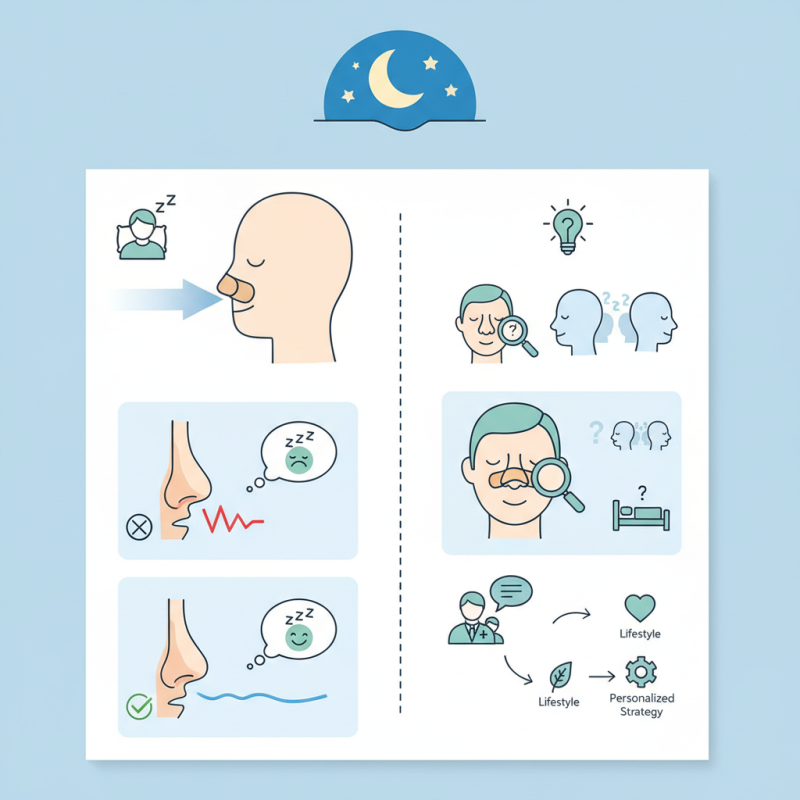
Snoring is a common issue that affects many people, disrupting sleep for both the snorer and their partner. One solution that has gained attention is "Nose Tape For Snoring." This simple yet effective product works by gently opening the nostrils, enhancing airflow during sleep. Improved airflow can lead to quieter nights, benefiting everyone involved.
Research indicates that nasal congestion often contributes to snoring. Nose tape addresses this by providing support to the nasal passages. It’s easy to use and non-invasive, making it an attractive option for those seeking relief. However, not all users may find it effective. Individual anatomy and sleep positions play significant roles in its success.
While Nose Tape for Snoring has its advantages, it may not be a one-size-fits-all solution. Users should remain open-minded and consider various factors, including lifestyle habits and underlying health conditions. Consulting with a healthcare professional can offer further insights into the best approaches to tackle snoring. This encourages a more personalized, effective strategy for improving sleep quality.
What Is Nose Tape and Its Purpose in Reducing Snoring?
Nose tape is a popular device for reducing snoring. Its primary purpose is to enhance airflow through the nasal passages. By keeping the nostrils open, it can help those who breathe through their noses during sleep. For many, this simple tool offers a great way to minimize nighttime disturbances.
Nose tape adheres to the exterior of the nose and gently pulls apart the nostrils. This process helps to widen the airways. In turn, this can lead to a quieter sleep environment for both the snorer and their partner. It is non-invasive and easy to apply. However, it might not work for everyone.
Here are some tips to consider: Test different widths of tape to find the most comfortable fit. Some may feel restricted if the tape is too tight. Additionally, be mindful of skin sensitivity. A patch test can discover any adverse reactions before using it overnight. Lastly, remember to keep your nasal passages clear. If you have allergies or a cold, the tape may not be as effective.
How Does Nose Tape Work to Improve Nasal Breathing?
Nose tape is a simple yet effective tool designed to enhance nasal breathing, particularly for those who snore. It typically consists of a flexible adhesive strip that adheres to the outside of the nose. This product gently opens the nostrils, allowing for increased airflow. This process can help individuals who often breathe through their mouths while sleeping. Improved airflow in the nasal passages may lead to a quieter, more restful night for both the user and their partner.
The mechanism behind nose tape is quite straightforward. By physically widening the nasal passage, the tape reduces resistance as air enters the body. This is particularly beneficial for those with sinus issues or nasal congestion. As a result, even those with occasional nasal blockages can find relief. Some users report that it takes time to adjust to wearing the tape, as they might feel pressure on their skin. It's important to ensure that the tape is applied correctly and removed gently to minimize discomfort.
While nose tape can be beneficial, it's not a one-size-fits-all solution. Some individuals may experience irritation or find it ineffective. This highlights the importance of understanding one's own body and breathing patterns. Seeking advice from healthcare professionals can help identify the underlying causes of snoring. This approach ensures that the solution addresses the root problem, rather than only the symptoms.
Types of Nose Tape Available for Snoring Relief
Nose tape for snoring is gaining popularity as a non-invasive solution. Various types are available to suit different needs. Some tapes are designed to gently open the nostrils. This increase in airflow can reduce snoring caused by nasal congestion. Such products often use flexible materials that conform to your skin. They provide a comfortable experience throughout the night without causing irritation.
Other nose tapes are designed for more severe snoring issues. These often feature stronger adhesive properties to ensure they stay in place. Some may include additional features, like antibacterial elements. This can be essential for individuals who experience discomfort or irritation from prolonged use. However, not all nose tapes are equally effective for everyone. Personal experience varies widely, and some users may find little to no relief.
In addition, it's important to recognize that nose tape is not a cure for snoring. Snoring can have multiple underlying causes, including sleep position and lifestyle factors. A trial-and-error approach may be necessary to find the best option. Consider consulting with a healthcare provider for personalized advice. Aim for a balance between comfort and effectiveness.
Nose Tape Effectiveness for Snoring Relief
Guidelines for Proper Application of Nose Tape
Applying nose tape correctly is crucial for it to be effective in reducing snoring. Start by choosing a clean, dry surface. Wash your face to remove oils and dirt. This ensures the tape adheres well throughout the night. After cleansing, dry your nose thoroughly. Moisture can weaken the tape’s grip.
When applying the tape, position it across the bridge of your nose. It should cover both nostrils. Press firmly to eliminate air pockets. Each strip has specific instructions, so follow those closely. Pay attention to its placement. If it feels uncomfortable, you may need to adjust it.
It’s important to note that every individual reacts differently to nose tape. Some find it helpful, while others may experience irritation or discomfort. If the tape causes skin issues, consider trying a different product or consulting a professional. Reflecting on your experience will help you determine its effectiveness. Embrace the trial and error process; it may lead to better sleep.
Potential Benefits and Risks of Using Nose Tape for Snoring
Nose tape has emerged as a popular option for those struggling with snoring. This simple adhesive strip is applied to the outside of the nose, aimed at improving airflow through the nasal passages. The goal is to encourage breathing through the nose rather than the mouth. For many, this can lead to quieter nights and a more restful sleep environment.
However, using nose tape comes with both potential benefits and drawbacks. On the positive side, it can help reduce snoring by opening up nasal passages. This may decrease disturbances for sleep partners. It’s relatively easy to use, making it an appealing choice. Yet, some individuals may experience skin irritation or allergic reactions from the adhesive.
It’s essential to consider these risks. Not everyone finds nose tape effective. The underlying causes of snoring should be evaluated. For example, nasal congestion or sleep position may require additional solutions. It’s wise to consult a healthcare professional before trying new remedies, ensuring a safe and personalized approach to managing snoring.
What is Nose Tape for Snoring and How Does It Work? - Potential Benefits and Risks of Using Nose Tape for Snoring
| Feature | Description |
| Purpose | To improve nasal airflow during sleep to reduce snoring. |
| How It Works | Adhesive strips are placed on the outside of the nose to gently pull nostrils open. |
| Potential Benefits | Increased airflow, reduced snoring, minimal discomfort, ease of use. |
| Potential Risks | Skin irritation, allergic reactions, not suitable for all snoring causes. |
| User Demographics | Suitable for adults who primarily snore due to nasal congestion. |
| Alternatives | Mouth guards, positional therapy, nasal sprays, CPAP devices. |