What is Mother Paper Roll and Its Importance in Industry?
The "Mother Paper Roll" is a crucial component in the paper manufacturing industry. Expert Mark Thompson, a veteran in the field, emphasizes its role by stating, "Without Mother Paper Rolls, production cannot efficiently meet demand." This highlights the significance of these rolls.
Mother Paper Rolls serve as the foundation for various paper products. They are large rolls of paper from which smaller sheets or products are made. Their quality directly impacts the final product, affecting everything from printing to packaging. High-quality Mother Paper Rolls ensure that manufacturers can produce reliable, durable paper products.
However, there are challenges. Not all suppliers provide consistent quality. Variations in thickness, texture, or moisture content can lead to production issues. It's essential for companies to closely monitor their sources. This vigilance can determine a product's success in a competitive market. The importance of Mother Paper Rolls cannot be overstated; they are the lifeblood of paper production.
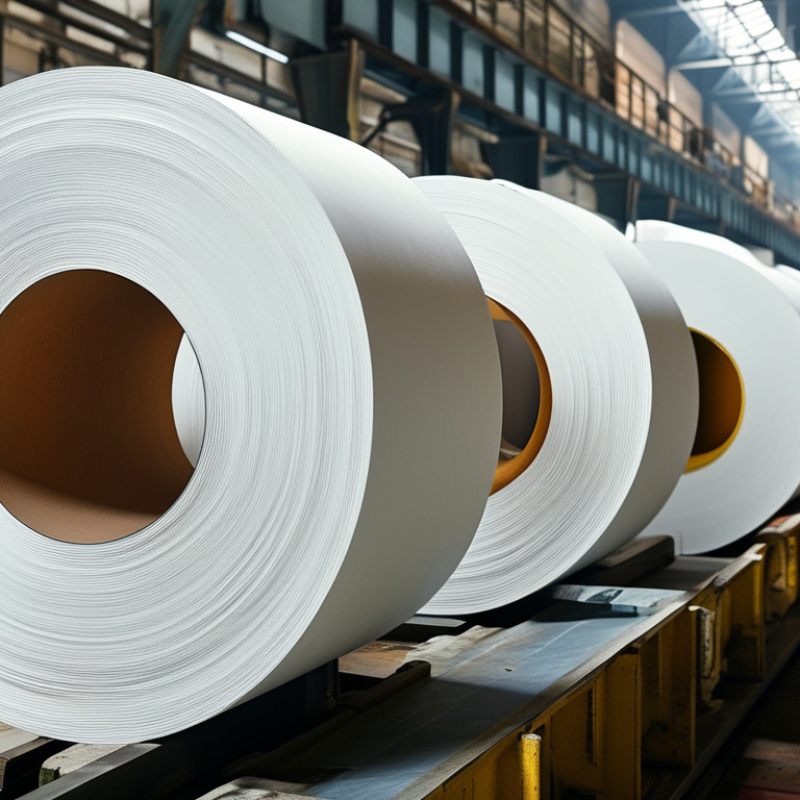
Definition of Mother Paper Roll and Its Characteristics
The mother paper roll is a large roll of paper from which smaller rolls are produced. It is essential in various industries, especially printing and packaging. The quality of the mother roll impacts the final product significantly. Manufacturers look for specific characteristics to ensure efficiency.
Characteristics of a mother paper roll include thickness, width, and weight. These factors directly influence how the paper performs during the printing or conversion process. A roll that is too thick may jam machines. Conversely, a roll that is too thin could tear, leading to waste. This balance is vital for smooth operations in production lines.
Moreover, the type of paper used matters. Kraft paper, for instance, offers strength and recyclability. Some rolls may have surface treatments to enhance printability. However, not all mother rolls meet the desired standards. Inconsistent quality can disrupt workflows and affect profitability. Industries must team up with skilled suppliers to ensure reliability in their mother paper rolls.
Types of Mother Paper Rolls Used in Various Industries
Mother paper rolls serve as the starting point for numerous industrial applications. These rolls are essential in producing various paper products like tissue, packaging materials, and print media. Their size and weight can vary significantly based on the intended use. Some rolls weigh several tons, while others are designed to fit smaller, specialized machines.
Different industries require specific types of mother paper rolls. For instance, the food industry often uses rolls made from food-grade materials to ensure safety. The packaging sector may focus on durability and strength, utilizing thicker rolls that endure heavy handling. On the other hand, the printing industry emphasizes smoothness and consistency, opting for rolls that enhance print quality.
However, not every manufacturer's approach is flawless. Some may overlook quality control, leading to defects in the final products. Additionally, choosing the wrong type of roll can result in significant waste and inefficiency. This highlights the importance of proper selection and understanding of the various types available in the market. Industry professionals must continually educate themselves on advancements and alternatives to optimize production processes.
Role of Mother Paper Roll in the Production Process
Mother paper rolls are vital in the production process of various paper products. These large rolls serve as the primary raw material for converting processes. In papermaking, it’s important to choose quality fibers. These affect the final product’s strength and durability. Improper handling during production can lead to defects.
Once produced, the mother roll is cut into smaller sheets or rolls. This step requires precision to minimize waste. Equipment also plays a key role here. While modern machinery enhances speed, some producers still face challenges in quality control. Variations in tension during unwinding may cause wrinkling or tearing.
Moreover, understanding the properties of the base materials is crucial. Different paper grades have unique requirements. Workers must be trained to recognize issues that may arise. Maintaining consistent quality demands attention and experience. Without proper oversight, flaws can impact the entire production line. This combination of skill and knowledge significantly influences the industry’s efficiency.
Economic Impact of Mother Paper Rolls in Manufacturing
Mother paper rolls are vital in the manufacturing sector, especially in packaging, printing, and other industries. These large rolls act as the primary input material for various products. Their economic impact is far-reaching and significant. The production process of mother paper rolls requires a considerable investment in technology and resources. This investment leads to the creation of jobs and stimulates local economies.
Moreover, the use of mother paper rolls can enhance manufacturing efficiency. They allow for bulk production, reducing costs per unit. However, fluctuations in raw material prices can pose challenges. Manufacturers must adapt to these variables while maintaining quality and productivity. Additionally, the sustainability aspect cannot be ignored. A push towards eco-friendly practices in production can lead to higher costs initially but can ultimately benefit businesses in the long run.
Many manufacturers face decisions about sourcing and production methods. There are risks associated with relying on single suppliers. Diversifying supply chains can mitigate these risks. Balancing cost, quality, and sustainability remains a complex task. Nevertheless, understanding the economic implications of mother paper rolls can guide businesses in making informed choices.
Sustainability and Recycling of Mother Paper Rolls in Industry
Mother paper rolls play a crucial role in the paper industry. These large rolls serve as the primary source for producing various types of paper products. Their significance extends beyond production; they embody sustainability and recycling efforts in modern manufacturing.
Recycling mother paper rolls reduces waste and promotes a circular economy. By reusing materials, companies conserve resources while minimizing environmental impact. However, the recycling process needs improvement. Not all facilities are equipped to process these rolls efficiently. This can lead to some waste ending up in landfills, despite the industry’s best intentions.
Tips for enhancing sustainability include:
1. Choose suppliers who prioritize recycling.
2. Implement on-site recycling programs.
3. Educate employees about the importance of recycling.
Being proactive in these areas can help companies make meaningful contributions to sustainability. It requires ongoing commitment and reflection to explore and improve these practices. Embracing this journey can lead to significant environmental benefits while fostering a culture of reliability in the industry.
What is Mother Paper Roll and Its Importance in Industry?
| Dimension | Value | Importance | Sustainability Practices |
| Standard Width | 30-40 inches | Used in various industries for packaging | Recycling after use to reduce waste |
| Standard Weight | 300-600 grams per square meter | Strength and durability for packaging needs | Use of eco-friendly materials in production |
| Common Paper Types | Kraft, Coated, Uncoated | Variety of applications from boxes to labels | Promoting recycling facilities in local areas |
| Recycling Rate | Over 70% | Helps in conservation of resources | Incentives for businesses that recycle |
| Environmental Impact | High | Reducing carbon footprint in production | Implementation of closed-loop systems |