2026 How to Choose the Best Cardboard Packaging for Your Products?
Selecting the right cardboard packaging for products can significantly impact a brand's image and sustainability goals. Industry expert James Hartwick once stated, "The right choice of cardboard packaging can enhance product value and customer experience." This insight underscores the importance of thoughtful selection in packaging materials.
As businesses strive to balance cost and quality, many overlook the nuances of cardboard packaging. Not all options are created equal. Factors such as strength, weight, and recyclability must be considered. Choosing the wrong type could lead to damaged goods or increased shipping costs. This reflects a need for better evaluation in packaging strategies.
Incorporating visual elements can aid in capturing customer attention. Bright colors or unique shapes within cardboard packaging can elevate a product's presence. However, one must also question if these designs align with sustainability practices. Imperfections in packaging decisions can lead to missed opportunities in both branding and environmental responsibility. Reflecting on these aspects can drive more informed choices in the realm of cardboard packaging.
Understanding the Importance of Cardboard Packaging for Products
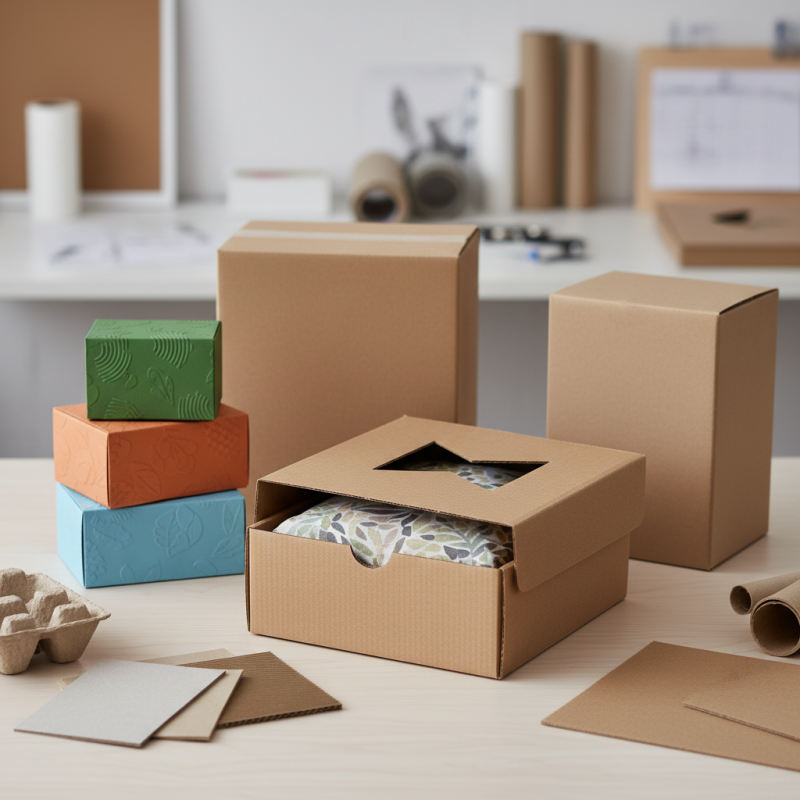
Cardboard packaging plays a crucial role in product presentation and protection. It is not just a container; it’s a statement about your product. The tactile feel of cardboard can attract customers. A well-designed package can even enhance the unboxing experience. Choosing the right thickness and style matters a lot. A flimsy box can lead to damaged goods, which frustrates consumers.
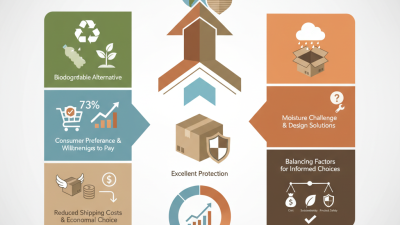
The sustainability aspect of cardboard cannot be ignored. Many consumers today prefer eco-friendly packaging. Cardboard is biodegradable and recyclable, appealing to a growing demographic focused on environmental concerns. While this material has its benefits, it requires careful sourcing. Cheap cardboard may save costs but often results in less protection. Companies must weigh their options thoughtfully.
In the competitive market, standing out is essential. Unique designs or finishes can catch the eye. However, overcomplicating designs can lead to wasted resources. It's important to find a balance. Focusing on functionality without sacrificing creativity can be challenging yet rewarding. Consider integrating custom shapes or prints that reflect your brand's identity.
Types of Cardboard Materials and Their Properties
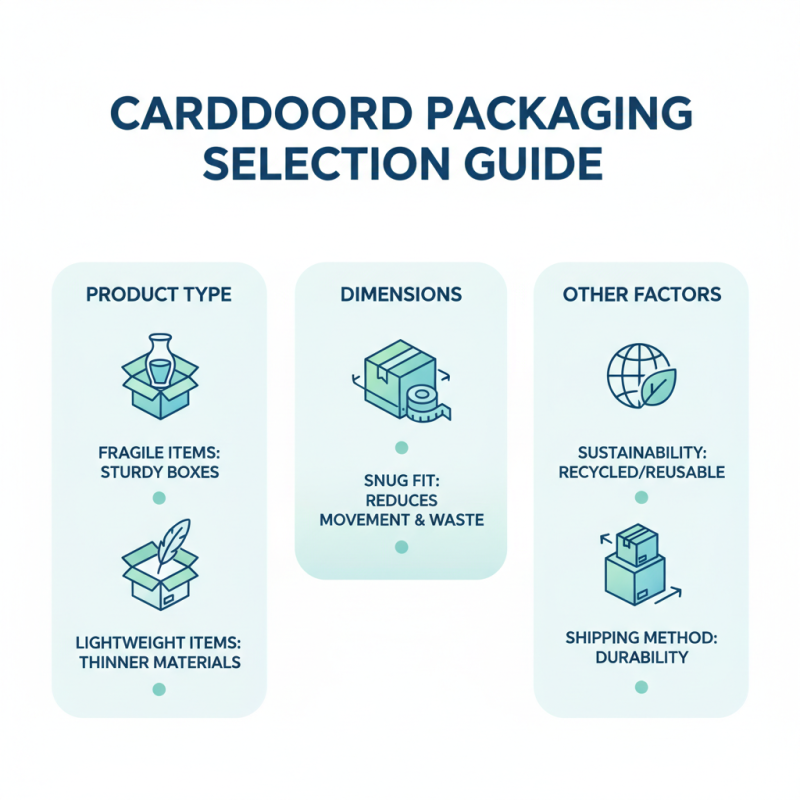
When selecting cardboard packaging, understanding material types is essential. Various cardboard types offer different properties and benefits. For instance, single-wall cardboard is lightweight and cost-effective. It’s suitable for shipping lightweight items but lacks durability for heavier products. On the other hand, double-wall cardboard provides extra strength. This type can support bulkier items but may increase shipping costs.
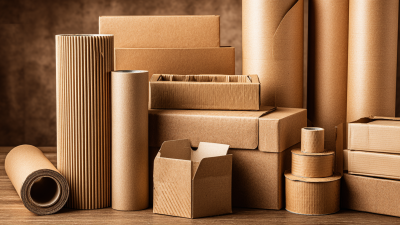
Another type is corrugated cardboard. It features a fluted layer sandwiched between two liners. This design adds cushioning, making it ideal for fragile items. While corrugated cardboard may be more expensive, the added protection is often worth the investment. Adjustment in thickness can also influence its performance.
Choosing the right cardboard material might seem straightforward, but it requires careful thought. Sometimes, opting for a cheaper option can lead to damaged products. Reflecting on past experiences helps in making better choices. Testing different materials allows for greater insight into how they perform with your specific products.
Design and Customization Options for Cardboard Packaging
When selecting cardboard packaging, design and customization play crucial roles. Reports indicate that 72% of consumers say packaging design influences their purchasing decisions. Therefore, appealing visuals matter. Customization options allow businesses to create packaging that resonates with their brand identity. This can include unique shapes, colors, and printed graphics that stand out on shelves.
Moreover, sustainable packaging is increasingly prioritized. The global sustainable packaging market was valued at $500 billion in 2022, highlighting its significance. Cardboard packaging can be eco-friendly, appealing to environmentally conscious consumers. While many companies strive for innovative designs, some overlook essential aspects like functionality. Packaging must protect products effectively, regardless of aesthetic appeal.
Design choices also affect manufacturing processes. Overly complex designs can increase production costs and time. Finding a balance between creativity and practicality is essential. Brands should reflect and refine their packaging strategies. By focusing on customization and sustainability, companies can meet consumer expectations while maintaining operational efficiency.
2026 Cardboard Packaging Trends: Material Usage and Customization Options
Sustainability and Eco-Friendliness in Cardboard Packaging Choices
Choosing the right cardboard packaging is crucial for product safety and the environment. More businesses are prioritizing sustainability. Eco-friendly cardboard can significantly reduce waste. When selecting packaging, consider the materials used. Look for recycled content. This not only helps the planet but also appeals to conscious consumers.
Tips for making eco-friendly choices:
- Opt for biodegradable inks for printing.
- Utilize minimal packaging designs to reduce waste.
- Consider plant-based coatings instead of plastic.
Don't forget about the end of the product's life. Packaging should be recyclable or compostable. Avoid designs that complicate recycling, such as mixed materials. Reflect on your choices; it’s easy to fall into patterns. Are you truly prioritizing sustainability?
While it can be tempting to focus solely on cost, think about the long-term impact. Sometimes, cheaper options can lead to higher environmental costs. Take the time to weigh the pros and cons of your choices. Small changes in packaging can yield substantial benefits for sustainability.
2026 How to Choose the Best Cardboard Packaging for Your Products? - Sustainability and Eco-Friendliness in Cardboard Packaging Choices
| Packaging Type |
Material Source |
Recyclability |
Biodegradability |
Cost Index |
Sustainability Score (1-5) |
| Single-wall Cardboard |
Recycled Paper |
Yes |
Yes |
Low |
4 |
| Double-wall Cardboard |
Virgin and Recycled Paper |
Yes |
Yes |
Medium |
4 |
| Kraft Paper Packaging |
Renewable Resources |
Yes |
Yes |
Medium |
5 |
| Corrugated Boxes |
Recycled and Virgin Paper |
Yes |
Yes |
High |
5 |
| Custom Printed Boxes |
Recycled Paper and Inks |
Yes |
Yes |
High |
4 |