What is Glass Jar Wholesale and How to Source Them?
glass jar wholesale is an essential aspect of various businesses. Many brands rely on these jars for packaging and storage. They are versatile and can meet different needs. Sourcing them effectively can significantly impact your business's success.
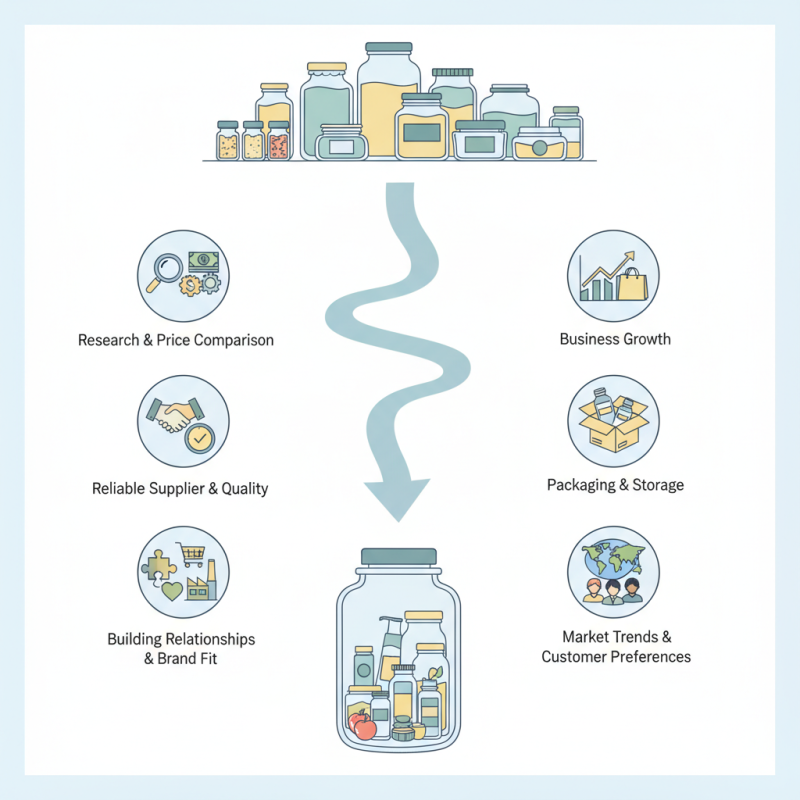
A reliable wholesale supplier can provide quality glass jars at competitive prices. The right supplier understands market trends and customer preferences. However, not all suppliers are equal. Some may lack consistency in quality or delivery timelines. It's crucial to assess their reliability before making a commitment.
Navigating the glass jar wholesale market requires careful research. Look for suppliers with strong reputations and positive reviews. Compare prices, but do not compromise on quality. Building a good relationship with your supplier can lead to long-term benefits. Remember, sourcing is not just about price; it's about finding the right fit for your brand's needs.
Understanding Glass Jar Wholesale: A Comprehensive Overview
Understanding glass jar wholesale can help businesses improve their packaging solutions. These jars come in various shapes, sizes, and colors. Many retailers and manufacturers seek bulk purchasing to enhance their products' presentation.
Sourcing glass jars involves several important considerations. First, consider the jar's material quality. Glass should be durable and free of defects. Second, assess the supplier's reputation. Researching reviews can provide insights into their reliability. Pay attention to their delivery times and customer service.
Tips for sourcing effectively include requesting samples before making large orders. This allows you to check for quality and design suitability. Also, verify minimum order quantities to avoid overcommitting. Building a solid relationship with suppliers can lead to better deals and consistent supply. The right supplier will enhance your product's appeal and trustworthiness.
Glass Jar Wholesale Market Overview
Types of Glass Jars Available for Wholesale Purchase
When exploring glass jar wholesale options, it's essential to understand the types of jars available. Glass jars come in various shapes and sizes, catering to different needs. Common types include mason jars, which are popular for food preservation, and apothecary jars, often used for decorative storage. Each type serves its purpose, making selection crucial for businesses.
Mason jars often feature airtight lids, ensuring freshness for homemade preserves. On the other hand, apothecary jars boast styles that add charm to kitchens or bathrooms. Specialty jars, such as diffuser bottles, cater to the essential oil market. These options are diverse, but each has unique qualities.
Sourcing these jars can pose challenges. Quality assurance is critical. Many suppliers offer low prices but compromise on durability. Researching supplier reviews and ratings helps identify trustworthy partners. Consider the shipping logistics and turnaround times. Assessing these factors ensures products meet business needs without unexpected delays. Remember, sourcing is not just about finding the lowest price; it's about quality and reliability too.
Key Considerations When Sourcing Glass Jars
When sourcing glass jars, several key considerations come into play. Assessing the quality of materials is crucial. High-quality glass ensures durability and safety. According to the Glass Packaging Institute, about 80% of consumers value eco-friendly packaging, which glass offers. Understanding the types of glass available, such as soda-lime and borosilicate, also matters. Each serves different purposes, from food storage to laboratory use.
Costs can vary widely based on the jar's style, size, and quantity. Bulk purchasing may lead to significant savings. Reports indicate that buying wholesale can reduce costs by 20-30%. However, examining supplier reliability is essential. Check for reviews and track records. Untested suppliers might deliver inconsistent quality or service.
**Tip:** Always request samples before committing to a large order. This allows for thorough inspection and helps avoid potential issues down the line.
It's also vital to consider market trends when sourcing. The rise in DIY and homemade products has increased demand for unique glass jars. Be aware of seasonal trends and customer preferences. Not adapting may lead to missed opportunities. Researching local and global markets can provide insights into popular sizes and designs.
**Tip:** Stay updated with industry reports to understand emerging trends. Data can guide your sourcing decisions effectively.
Top Suppliers and Platforms for Glass Jar Wholesale
When searching for glass jars in bulk, various suppliers and platforms can significantly streamline the process. Industry reports indicate that the global glass jar market is expected to reach USD 15 billion by 2026, reflecting rising demand across several sectors, including food and beverage, cosmetics, and home care. This growth emphasizes the importance of sourcing from reliable suppliers.
Key suppliers often include manufacturing companies and wholesalers who specialize in glass products. Many Asian countries are known for their competitive pricing. Platforms like Alibaba and Global Sources provide a vast array of options. However, choosing the right supplier requires careful assessment. Look for suppliers with high ratings and solid customer reviews. This helps ensure product quality and reliability.
Keep in mind that not every supplier offers the same level of service. Some platforms may have hidden fees which can impact overall costs. Engaging with local trade shows can also provide firsthand experiences with potential suppliers. A face-to-face meeting, when possible, builds trust and opens channels for negotiation. Balancing price and quality is crucial in this competitive market.
Tips for Negotiating Prices and Terms in Glass Jar Wholesale
In the world of glass jar wholesale, negotiating prices and terms is crucial. Sellers often have fixed rates, but there is room for negotiation. Research market prices before starting discussions. Understanding the average cost helps position your offer effectively. Reach out to multiple suppliers. This strategy creates a competitive environment, which can lead to better offers.
During negotiations, consider more than just price. Terms such as payment options, delivery timelines, and order quantities are significant. A longer payment term might help ease cash flow. Moreover, asking for discounts on bulk orders can lead to substantial savings. Be aware of the supplier's willingness to negotiate. Some might hold firm, while others may be more flexible.
Listening is as important as speaking in negotiations. Understand the supplier's constraints, too. Their pricing decisions often relate to production costs and market demand. Building a relationship can foster trust, which may lead to more favorable terms in future dealings. Always be prepared to walk away if the deal doesn’t meet your needs.