Essential Tips for Using Cardboard Tube Packaging Effectively?
Cardboard tube packaging is a versatile solution for various products. Its sturdy structure makes it ideal for shipping delicate items. However, many businesses overlook its potential.
Choosing the right cardboard tube packaging involves key considerations. Size and design matter significantly. A well-fitted tube reduces movement and protects the contents. It's not just about the look; durability is crucial too.
Yet, challenges exist. Some users find it difficult to seal tubes effectively. Others struggle with creative branding. Reflecting on these issues can enhance practical use. Embracing cardboard tube packaging can streamline your operations, leading to greater efficiency and customer satisfaction.
Understanding the Benefits of Cardboard Tube Packaging for Products
Cardboard tube packaging has gained popularity for many reasons. One major benefit is its lightweight nature. This feature reduces shipping costs and transportation emissions. Companies often seek eco-friendly solutions. Cardboard tubes are recyclable, aligning with sustainable practices. Consumers appreciate brands embracing green efforts.
Another advantage is the protection they offer. Cardboard tubes can guard delicate items from damage. Their cylindrical shape helps distribute pressure evenly. For fragile products, this means a lower chance of breakage. However, it’s crucial to ensure the right thickness of the cardboard. Too thin may compromise protection.
Customization adds to their allure. Many brands seek unique designs to stand out. Bright colors and creative graphics help capture consumer attention. Yet, not all designs are practical. Sometimes, aesthetics can overshadow functionality. Finding a balance remains a challenge for many. Testing different approaches can lead to improvement.
Selecting the Right Size and Shape for Your Cardboard Tube Packaging
When selecting the right size and shape for cardboard tube packaging, precision matters. Studies indicate that 72% of consumers prefer packaging that fits products snugly. An appropriate size not only reduces movement but also minimizes waste. This enhances both aesthetics and practicality.
Consider the dimensions of your product carefully. If the tube is too large, items can shift during transportation. This can lead to damage and dissatisfaction. On the other hand, a tube that’s too tight risks crushing or deforming sensitive products. In a survey, 65% of businesses reported losses due to improper packaging sizes.
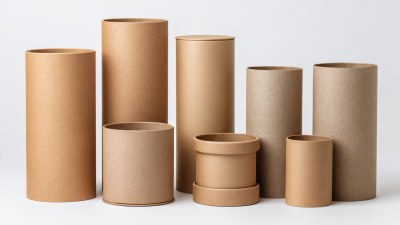
The shape also plays a crucial role in functionality. For instance, cylindrical tubes are great for posters and delicate items. However, a square tube might offer better stacking stability in storage. The versatility of cardboard can be maximized by experimenting with different designs. Users often overlook the need to prototype; testing various sizes can reveal better options. Brands that actively seek feedback on their packaging shapes can improve both customer satisfaction and loyalty.
Designing Eye-Catching Graphics for Cardboard Tube Packaging
Designing eye-catching graphics for cardboard tube packaging is crucial for standing out. The visual aspect can significantly influence buyer decisions. Bold colors and unique patterns can attract attention. However, simplicity can also have a strong impact. Overcomplicated designs may confuse customers. Striking a balance between creativity and clarity is key.
Consider typography carefully. Fonts should be clear and easy to read. Mixing styles can add interest but can also be overwhelming. A single, strong typeface might work better. Experimenting with different layouts is essential. Some designs may look appealing on screen but fail in print. Always test graphics with real prototypes.
Imagery should evoke the product's essence. Using specific illustrations can enhance storytelling. Generic images often fall flat. Ensure that the visuals resonate with the target audience. Reflect on feedback received post-launch. This can reveal areas for improvement. Revising designs is a normal part of the process. Embrace the learning journey and adapt as needed.
Sales Performance of Cardboard Tube Packaging Designs (2022)
Improving Sustainability in Cardboard Tube Packaging Solutions
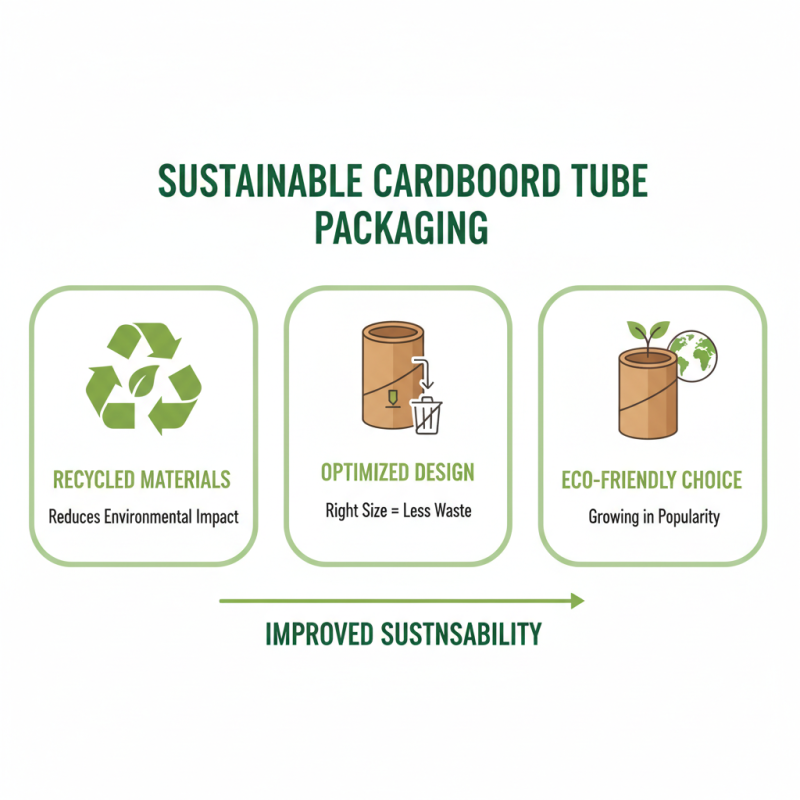
Cardboard tube packaging has gained popularity due to its eco-friendly nature. However, improving sustainability requires careful consideration. Using recycled materials is one effective way to reduce environmental impact. The design of the packaging should also be optimized. This means ensuring the right size to minimize waste.
Selecting non-toxic inks and adhesives is another crucial step. Many companies overlook this, thinking it doesn't matter. In reality, it can affect the recyclability of the tubes. A life cycle assessment can help identify where improvements can be made. It is essential to rethink the entire production process.
Additionally, businesses should encourage consumers to recycle the tubes after use. Clear instructions on how to recycle can lead to better practices. Collaborating with local recycling programs can also enhance sustainability efforts. Ignoring post-consumer actions may hinder overall goals. Regular assessments can reveal areas needing improvement, paving the way for a more sustainable future.
Best Practices for Sealing and Shipping Cardboard Tube Packages
Sealing and shipping cardboard tube packages is crucial for ensuring that your items arrive safely. Start by selecting the right sealing method. Tape is a common choice, but it must be applied correctly. Ensure the tape covers both the top and bottom flaps securely. Don't skimp on the tape; a few extra inches can prevent accidental openings during transit.
Consider adding cushioning materials inside the tube. Bubble wrap or packing peanuts can help protect delicate items from damage. Think about the weight of your package too. Heavier items may require stronger tubes to hold their weight without bending. Test different sealing techniques to find what works best for you. Some may prefer heat sealing, while others stick to traditional tape.
Remember to label your packages clearly. A well-placed label prevents mishandling. Double-check the addresses before shipping. Mislabeling can lead to lost items and increased costs. Evaluate your process regularly. Reflect on what works and what doesn't. Continuous improvement will make your packaging efforts more efficient.
Essential Tips for Using Cardboard Tube Packaging Effectively
| Tip |
Description |
Best Practices |
| Choose the Right Size |
Select a tube that closely fits the item to minimize movement during transit. |
Measure items before packaging to ensure a snug fit. |
| Secure the Ends |
Seal both ends of the tube to prevent items from falling out. |
Use strong tape or end caps designed specifically for tubes. |
| Reduce Damage |
Add cushioning material inside the tube for fragile items. |
Consider using packing peanuts, bubble wrap, or crumpled paper. |
| Label Clearly |
Apply clear labels to the outside of the tube for easy identification. |
Include relevant handling instructions to ensure proper care during shipping. |
| Consider Sustainability |
Use recyclable materials for both the tube and cushioning. |
Opt for eco-friendly packing fillers and minimize excess materials. |