10 Essential Tips for Choosing the Best Cardboard Packaging Solutions
In today’s fast-paced and environmentally conscious market, the choice of packaging can significantly impact a business's success. Cardboard packaging has emerged as a popular and versatile option for companies looking to deliver their products safely while catering to eco-friendly practices. However, with an abundance of options available, selecting the right cardboard packaging solution may seem daunting. To help navigate through the myriad of choices, it is crucial to understand key elements that influence the effectiveness and sustainability of packaging.
When considering cardboard packaging, factors such as material quality, design, and functionality play pivotal roles in ensuring that products not only reach customers intact but also leave a lasting impression. Additionally, aligning packaging choices with brand values and customer expectations can enhance overall satisfaction and loyalty. In this guide, we will discuss ten essential tips that will aid in making informed decisions about selecting the best cardboard packaging solutions tailored to your specific needs, ensuring that your products stand out in a competitive landscape while promoting environmental responsibility.
Understanding the Importance of Cardboard Packaging Solutions
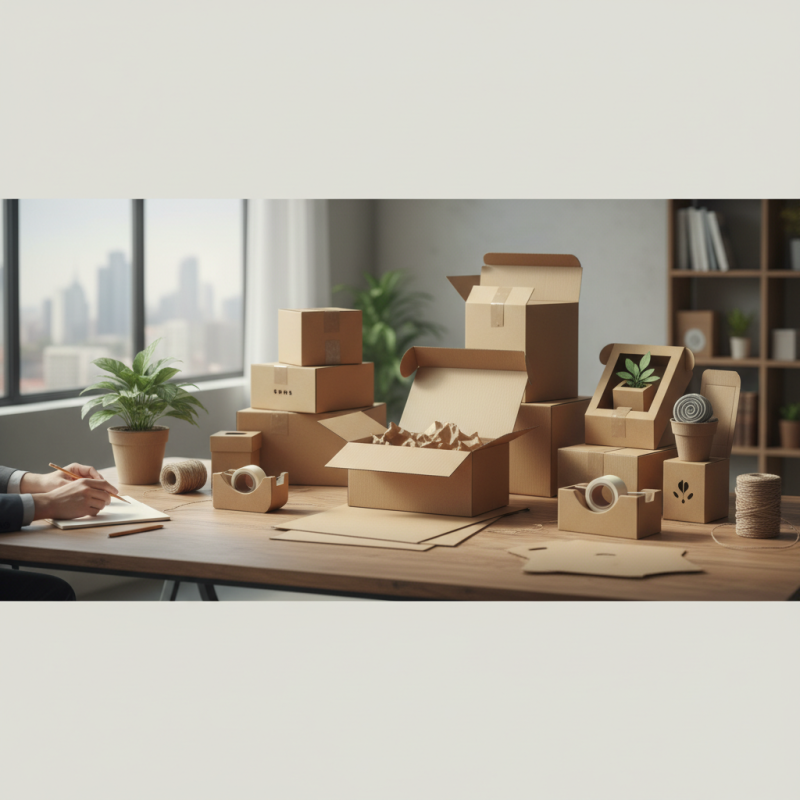
The importance of cardboard packaging solutions cannot be overstated in today’s market, where sustainability and efficiency play crucial roles in business operations. Cardboard, a versatile material known for its lightweight yet robust nature, serves as a preferred choice for packaging across various industries. By providing a reliable defense against environmental factors, it ensures the safety of products during shipping and handling, reducing the risk of damage and loss, which ultimately translates to cost savings for businesses.
Additionally, cardboard packaging aids in fostering a positive brand image for companies committed to sustainability. As consumers increasingly prioritize eco-friendly practices, using recyclable and biodegradable materials like cardboard can enhance customer loyalty and attract environmentally conscious buyers. The aesthetic appeal of cardboard packaging also allows businesses to creatively showcase their products, elevating unboxing experiences and reinforcing their brand narrative. Thus, understanding and utilizing the benefits of cardboard packaging solutions is vital for organizations looking to thrive in a competitive marketplace.
10 Essential Tips for Choosing the Best Cardboard Packaging Solutions
Identifying the Various Types of Cardboard Materials Available
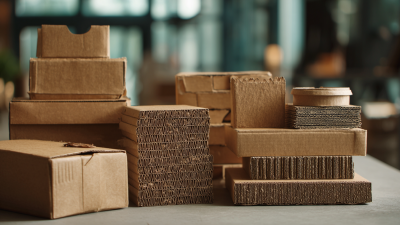
When selecting the ideal cardboard packaging solutions, understanding the various types of cardboard materials is crucial. Cardboard is primarily made from cellulose fibers, and its classification typically revolves around two key types: single-wall and double-wall cardboard. Single-wall cardboard is composed of one layer of flute sandwiched between two liners. This makes it lightweight and ideal for packaging lightweight products. In contrast, double-wall cardboard consists of two layers of flutes and three liners, providing enhanced strength and protection, making it suitable for heavier or fragile items.
According to a 2021 report by Smithers Pira, the global demand for corrugated packaging is projected to reach 200 million tons by 2024, driven by the growth of e-commerce and sustainable packaging solutions. This surge in demand emphasizes the importance of selecting the right cardboard type. For instance, the B-flute corrugated cardboard offers a balance of strength and thickness, making it excellent for retail packaging, while E-flute provides a smoother surface ideal for printing and graphics. Understanding these options enables businesses to optimize their packaging strategies, reduce costs, and ensure their products are well-protected during transit.
10 Essential Tips for Choosing the Best Cardboard Packaging Solutions - Identifying the Various Types of Cardboard Materials Available
| Cardboard Type |
Thickness (mm) |
Weight (g/m²) |
Best For |
Environmentally Friendly |
| Single Wall Flute |
3-5 mm |
250-350 g/m² |
Shipping Lightweight Items |
Yes |
| Double Wall Flute |
5-7 mm |
450-600 g/m² |
Heavy Duty Shipping |
Yes |
| Triple Wall Flute |
7-10 mm |
700-850 g/m² |
Extra Heavy Items |
Yes |
| Kraft Board |
0.8-1.5 mm |
200-400 g/m² |
Retail Packaging |
Yes |
| Corrugated Cardboard |
4-12 mm |
300-500 g/m² |
General Use |
Yes |
Evaluating the Sustainability of Cardboard Packaging Options
When evaluating the sustainability of cardboard packaging options, it is crucial to consider the lifecycle impact of the materials used. According to a report by the European Union’s Circular Economy Action Plan, approximately 85% of cardboard packaging can be recycled, making it one of the most environmentally friendly options available. This high recyclability rate is supported by advancements in recycling technologies, allowing for the recovery of fibers and reducing the need for virgin materials. The use of post-consumer recycled content in cardboard products has also seen a significant rise, with estimates suggesting that recycled content usage can reduce a company’s carbon footprint by up to 30%.
Furthermore, the sourcing of raw materials plays a pivotal role in assessing sustainability. The Forest Stewardship Council (FSC) reports that responsibly managed forests can lead to sustainable cardboard production. Utilizing FSC-certified cardboard ensures that the materials come from forests that meet stringent environmental standards, promoting biodiversity and reducing deforestation.
As consumers increasingly demand transparency in packaging materials, companies that prioritize sustainable cardboard solutions not only benefit the environment but also enhance their market appeal in a growing eco-conscious marketplace. Ultimately, by choosing eco-friendly cardboard options, brands can align their packaging strategies with global sustainability goals and contribute to a circular economy.
Assessing Cost-Effectiveness in Cardboard Packaging Choices
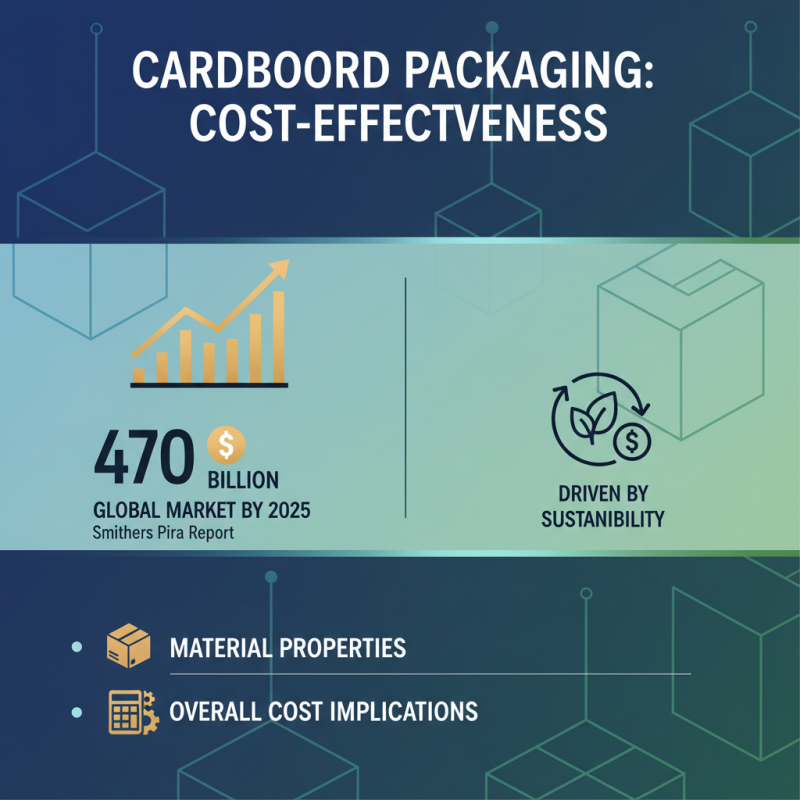
When evaluating cardboard packaging solutions, cost-effectiveness is a critical factor that can significantly impact a company's bottom line. According to a recent industry report by Smithers Pira, the global cardboard packaging market is projected to reach approximately $470 billion by 2025, driven by increasing demand for sustainable packaging options. This trend underscores the importance of thoroughly assessing various cardboard options not only for their material properties but also for their overall cost implications.
To achieve optimal cost-effectiveness, companies should consider the lifecycle costs associated with different packaging types. For example, while a more expensive material might seem like an upfront investment, its durability and ability to protect products can reduce shipping costs and minimize the risk of damage. As highlighted in a study by the Packaging Corporation of America, companies can save up to 20% on logistics costs by selecting more robust packaging solutions.
When choosing packaging, here are a few essential tips to bear in mind: ensure you analyze the total costs involved, including production, shipping, and potential waste; customize your packaging design to minimize excess material while still providing adequate protection; and keep sustainability in mind, as environmentally friendly options can enhance brand reputation and appeal to eco-conscious consumers. By following these guidelines, companies can navigate their cardboard packaging choices more effectively while maximizing their cost efficiency.
Considerations for Customization and Design in Cardboard Packaging
When selecting cardboard packaging solutions, customization and design play a pivotal role in enhancing both functionality and consumer appeal. According to a study by Smithers Pira, the global market for sustainable packaging is projected to reach $475 billion by 2027, with cardboard packaging being a significant contributor due to its recyclable nature and versatility. It is essential for businesses to leverage custom designs to create packaging that not only protects the product but also captures the essence of their brand.
Customization options, from unique shapes to branded graphics, can significantly influence consumer purchasing decisions, with 72% of consumers saying that product packaging design influences their buying behavior, as reported by Packaging Strategies.
Furthermore, considerations for design should encompass not only aesthetics but also practicality. Efficient design can optimize material usage, potentially reducing costs and environmental impact. The 2022 National Packaging Survey revealed that 55% of consumers prefer packaging that uses fewer resources and is easier to recycle. A well-thought-out design should also ensure that the packaging meets the specifications for shipping and handling, reducing the risk of damage during transit. By focusing on these aspects of customization and design, companies can create cardboard packaging solutions that are both attractive and functional, ultimately leading to increased customer satisfaction and loyalty.