Why are Cycling Water Bottles Essential for Every Cyclist?
Cycling is a demanding sport that requires endurance and hydration. One essential item every cyclist should have is a reliable Cycling Water Bottle. These bottles are not just a convenience; they play a crucial role in performance and safety. Hydration directly affects stamina, and having easy access to water makes it easier to stay refreshed during long rides.
Cycling Water Bottles come in various designs and materials, ensuring that every cyclist can find something suitable for their needs. From insulated bottles that keep drinks cold to lightweight options that don’t add extra weight, the choices are vast. Using a high-quality water bottle can enhance the cycling experience. However, many cyclists overlook how a proper bottle aids hydration strategies.
It’s important to recognize that not all bottles are created equal. Some may leak, while others may not fit into bike cages properly. Cyclists should reflect on their choices and learn from their experiences. Selecting the right Cycling Water Bottle is a step toward better hydration and overall cycling performance.
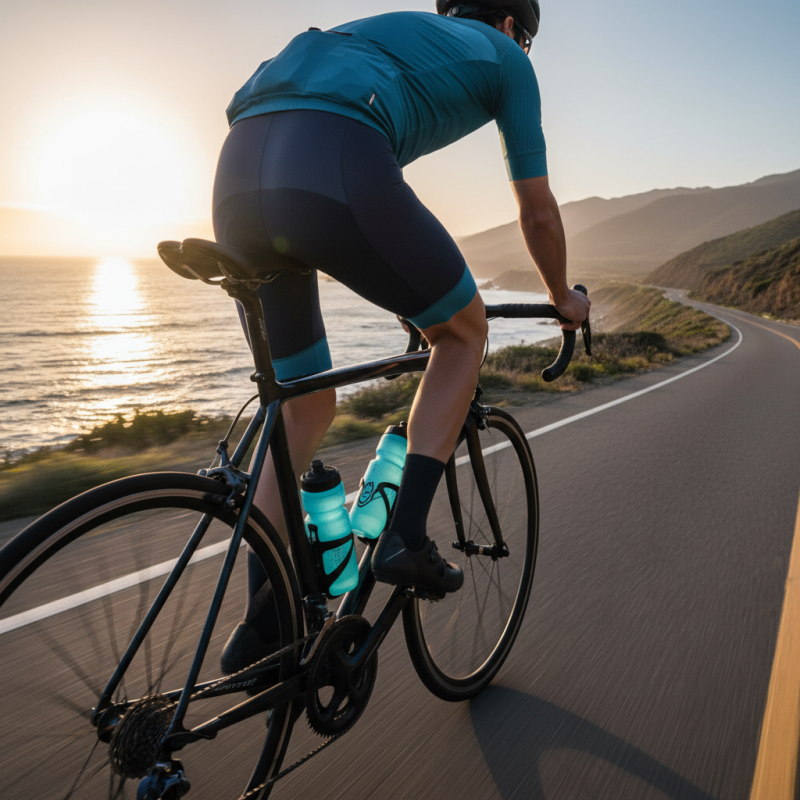
Importance of Hydration for Cyclists
Hydration is vital for every cyclist. According to the American College of Sports Medicine, even a 2% loss in body weight due to dehydration can impact performance. Cyclists often sweat excessively, leading to significant fluid loss, especially during long rides. Maintaining hydration helps keep energy levels high. A study published in the Journal of Sports Sciences highlighted that properly hydrated athletes can improve their endurance and reduce fatigue.
Tips: Carry a water bottle that fits securely in your bike's frame. This encourages regular sips throughout your ride. Aim to drink before you feel thirsty. Thirst is a sign that dehydration may already be affecting your performance.
Monitoring hydration is essential. Research indicates that a loss of just 1% of body weight can lead to decreased concentration and increased perceived exertion. During hot weather, the need for fluids doubles, making a cycling water bottle indispensable. Various studies suggest cyclists should consume around 500-750 ml per hour during intense efforts.
Tips: Keep a hydration schedule, especially on long rides. This proactive approach can prevent the consequences of dehydration. Remember, proper hydration not only aids physical performance but also supports mental clarity on the road.
Why are Cycling Water Bottles Essential for Every Cyclist? - Importance of Hydration for Cyclists
| Hydration Benefits | Recommended Water Intake (ml) | Best Types of Water Bottles |
| Improved Performance | 500 - 750 | Squeeze Bottles |
| Enhanced Recovery | 750 - 1000 | Hydration Packs |
| Regulated Body Temperature | 1000 - 1500 | Insulated Bottles |
| Reduced Risk of Injury | 1500 - 2000 | BPA-Free Bottles |
| Improved Focus and Alertness | 2000+ | Customizable Bottles |
Features of an Ideal Cycling Water Bottle
When choosing a cycling water bottle, several features are key to ensuring hydration on the go. A good bottle should be lightweight yet durable. Cyclists often face bumpy rides, so investing in a bottle that won’t easily break or leak is essential. Look for materials like BPA-free plastic or stainless steel, as they withstand rough conditions.
An ideal cycling water bottle should have an ergonomic design. A soft, squeezable body can help you hydrate without losing focus on the road. Additionally, a wide mouth opening allows for easy filling and cleaning. A secure lid that prevents spills is also crucial. It's frustrating to stop mid-ride because of a leak.
Moreover, color plays a role in functionality. Bright colors are easily spotted in a bike’s holder. Some bottles even come with measurement markers for tracking fluid intake. While many cyclists overlook these tiny features, they can significantly impact your ride.
Reviewing bottle performance after several rides can reveal areas for improvement. This reflection helps in selecting the best hydration solution for your needs.
Benefits of Specialized Cycling Water Bottles
Cycling water bottles are crucial for every cyclist. They ensure hydration during rides, which is vital for maintaining performance. Research indicates that even a 2% drop in hydration can significantly impact endurance. Specialized cycling water bottles offer different features that enhance the cycling experience.
Many cycling bottles are designed to fit in bike cages, preventing spills. They often have wide mouths for easy filling and cleaning. Lightweight materials help reduce overall bike weight. According to a report by the Journal of Sports Sciences, proper hydration can improve cycling performance by up to 30%. This is especially true during long rides or races.
Tips: Always hydrate before you feel thirsty. A well-hydrated body responds better to physical demands. Consider choosing bottles with insulated features; they keep drinks cold, which is refreshing on hot days. Remember to clean your bottles regularly to prevent bacteria buildup.
Cycling water bottles are not just containers. They are essential tools for optimizing performance and ensuring safety. Inconsistent hydration can lead to fatigue and affect your overall riding experience. Make informed choices about your biking gear for the best outcomes.
Benefits of Specialized Cycling Water Bottles
Choosing the Right Water Bottle for Your Riding Style
Choosing the right water bottle can impact your cycling experience significantly. A study by the American College of Sports Medicine highlights that hydration improves performance by up to 20%. This underlines the importance of having the right cycling water bottle.
When selecting a water bottle, consider your riding style. Bottles come in various materials, such as plastic, stainless steel, and aluminum. Plastic is lightweight but may retain odors. Stainless steel, on the other hand, offers durability and insulation. Insulated bottles can keep beverages cold for hours. For long rides, a larger capacity or easy refill mechanism can be beneficial.
Another factor is the bottle's size and shape. A study conducted by Cycling Magazine found that a well-designed bottle fits securely in your bike's holder. It should allow one-handed operation for easy access while riding. Keep in mind that some bottles may leak or be hard to clean. Reflecting on these details can help you choose wisely. Cycling hydration is not just about having water; it’s about having the right solution for your unique ride.
Maintenance Tips for Cycling Water Bottles
Maintaining your cycling water bottle is critical for both hygiene and performance. After every ride, empty and rinse the bottle. This prevents bacterial growth and keeps your drink fresh. Use warm, soapy water for a thorough clean, focusing on the inside, nozzle, and cap. Regularly inspect for cracks or wear, as these can lead to leaks.
Consider using a bottle brush to reach difficult spots. If the bottle contains residue, soak it overnight. Avoid harsh chemicals, as they can degrade the material. Dry it completely before reassembling to prevent mold growth. Sometimes, it’s easy to forget, but a clean water bottle can enhance your riding experience significantly.
Pay attention to the seals and lids; they need to be clean and functional. If you notice a funky odor, it’s a call to action. You may need to replace your bottle altogether. Cycling is about enjoying the ride, and no one wants a leak or bad-tasting water mid-trip. Regular care and a keen eye for detail can lead to better hydration and, ultimately, a better journey.