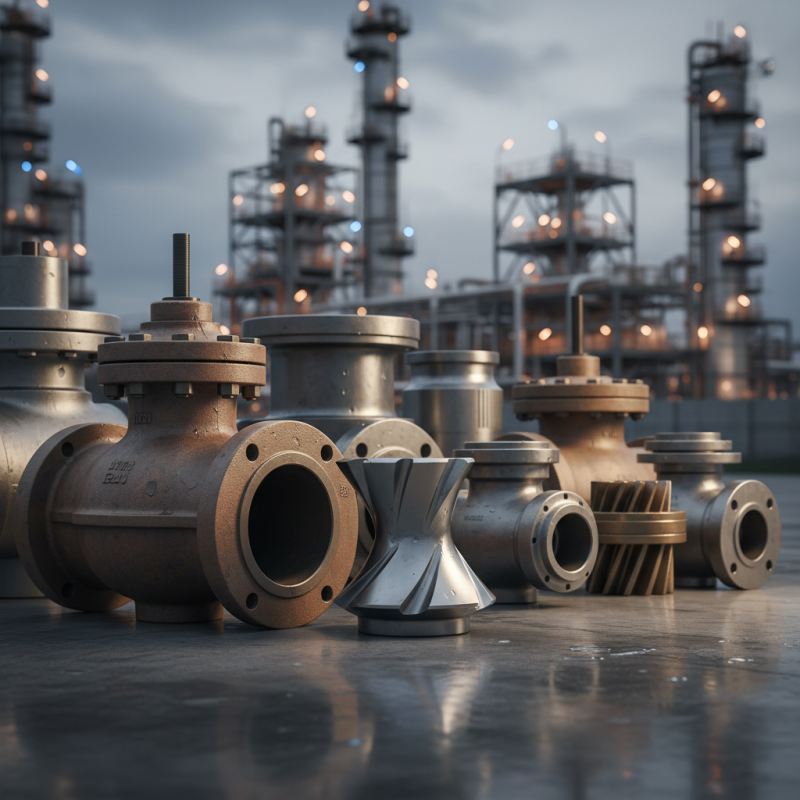
Top Castings For Petrochemical Industry You Need to Know?
In the fast-paced world of the petrochemical industry, understanding the role of castings is essential for success. Castings For Petrochemical Industry are more than just components; they are critical to operational efficiency. These castings must withstand extreme conditions, including high pressures and corrosive environments.
Selecting the right materials and techniques for these castings can significantly impact production outcomes. Knowledge of various casting methods, such as sand casting and investment casting, is vital. Each method offers different advantages, affecting durability and cost.
Not all castings are created equal. Some may lack the necessary strength or resistance, causing expensive failures. As you explore options, consider both quality and supplier reputation. Collaboration with industry experts can lead to better decision-making, enhancing overall productivity and safety.
Overview of the Petrochemical Industry and Its Importance
The petrochemical industry plays a crucial role in our daily lives. It transforms natural resources into essential products. These include plastics, fertilizers, and fuels. The sector is vital for the global economy. It supports various industries, from agriculture to manufacturing.
Understanding this industry requires awareness of its complexities. The production process involves refining crude oil and natural gas. Safety and environmental concerns often arise. Companies must balance efficiency with sustainability. This challenge leads to ongoing discussions about best practices. Many industries rely on petrochemical products, but these come with risks.
Investing in innovation is essential. New technologies aim to reduce waste and improve sustainability. However, progress can feel slow. The balance of production and environmental stewardship is a constant struggle. As we explore this industry, critical thinking is key. While its contributions are undeniable, we must question its long-term impacts.
Top Castings for Petrochemical Industry
This bar chart illustrates the production volumes of different casting types used in the petrochemical industry. These castings play a crucial role in various applications, demonstrating the industry's significance in meeting global energy demands.
Key Types of Castings Used in Petrochemical Applications
In the petrochemical industry, choosing the right castings is crucial. Different materials serve various functions. The most common types include ductile iron, grey iron, and stainless steel. Each type has unique properties that cater to specific applications. Ductile iron offers excellent tensile strength and shock resistance. It is ideal for high-pressure environments.
Grey iron, on the other hand, is known for its casting ability and wear resistance. It's often used in components that require durability.
Stainless steel castings provide corrosion resistance, making them suitable for chemical processing. These materials can withstand harsh environments, but they can be costly.
Some castings may not meet all industry standards. Regular testing is essential for safety and performance. It's vital to verify that the chosen casting aligns with the operational requirements. Failure to do so can lead to significant operational issues. Selecting the right material is not just about strength; it’s about longevity and reliability.
Materials Commonly Used for Castings in the Petrochemical Sector
In the petrochemical industry, selecting the right materials for castings is crucial. The most commonly used materials include carbon steel, stainless steel, and nickel-based alloys. According to a report by the American Society of Mechanical Engineers, carbon steel accounts for approximately 40% of casting materials used in this sector. Its cost-effectiveness and strength make it a popular choice for pipes and fittings.
Stainless steel follows closely, representing about 30% of the market. Its corrosion resistance is essential for harsh environments. Many petrochemical processes involve corrosive substances, making stainless steel a reliable option. Nickel-based alloys are also significant, particularly for high-temperature and high-pressure applications. They offer excellent durability and can withstand extreme conditions, even though they are more expensive.
However, issues can arise in sourcing these materials. Fluctuations in raw material prices often impact project budgets. Additionally, manufacturers sometimes struggle to achieve the desired purity in alloys, which can affect performance. Such challenges highlight the importance of continuous improvement in material quality and sourcing strategies within the industry. Making informed decisions can help mitigate risks associated with material selection.
Manufacturing Processes for Petrochemical Industry Castings
The manufacturing processes for castings in the petrochemical industry are crucial for ensuring product quality and operational efficiency. Casting techniques like sand casting, investment casting, and die casting are widely used. Each technique offers distinct advantages based on specific project requirements. For instance, sand casting is suitable for large parts, while investment casting provides tighter tolerances.
Industry data from sources like the International Energy Agency (IEA) indicates that the petrochemical sector is expected to grow significantly. By 2030, global demand for petrochemical products is projected to rise by 40%. This surge underscores the importance of reliable manufacturing processes. However, challenges persist. Many companies face issues with material inconsistency and limited recycling options, hindering sustainability goals.
Moreover, the need for advanced inspection methods is growing. Non-destructive testing methods are increasingly essential. They ensure that castings meet stringent quality standards. Data from industry reports emphasizes that up to 30% of castings may fail initial inspections if not adequately addressed. Investing in innovative manufacturing processes and stringent quality checks can mitigate these risks and enhance overall productivity.
Emerging Trends and Innovations in Petrochemical Castings
The petrochemical industry is rapidly evolving, driven by sustainability and innovation. Emerging trends highlight the growing use of advanced materials in castings. These materials often offer better durability and resistance to harsh environments. The shift towards eco-friendly processes is reshaping casting methods, focusing on reducing waste and energy consumption.
Additive manufacturing is making waves within the industry. This technology allows for more complex designs with less material waste. Companies are exploring 3D printing to create prototypes and final products. The flexibility in design can lead to cost savings and improved efficiency. However, the integration of this technology poses challenges.
Despite advancements, there are areas that require reflection. Dependence on traditional materials still exists, potentially hindering progress. The challenge lies in balancing innovation with reliability. There is a need to invest in research to understand new casting materials fully. Collaborations between experts can help bridge knowledge gaps and foster growth in this dynamic sector.