How to Use Cardboard Cores Effectively for Your Projects?
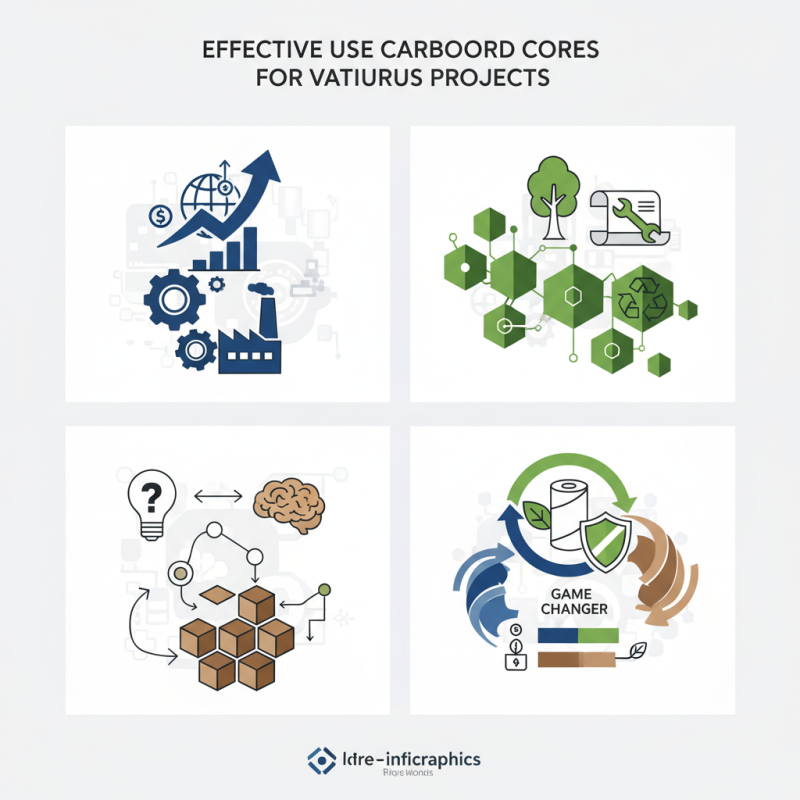
Cardboard cores are often overlooked in project planning. However, their utility is backed by significant industry data. The global cardboard market is projected to reach $300 billion by 2025, highlighting the rising trend of sustainable materials. More businesses are seeking eco-friendly solutions.
These cores serve as a versatile resource in various sectors, from construction to crafts. They provide stability and support. Ninety percent of manufacturers report using cardboard for packaging. Yet, many still miss out on creative uses in DIY projects. This prompts reflection on how industries can maximize the benefits of cardboard cores.
Despite their advantages, some users struggle with implementation. Limited knowledge hindered potential applications could be explored. Often, basic ideas lead to innovative solutions. Properly utilizing cardboard cores can enhance structural integrity and reduce waste, so integrating them into your project can be a game changer.
Understanding Cardboard Cores: Types and Characteristics
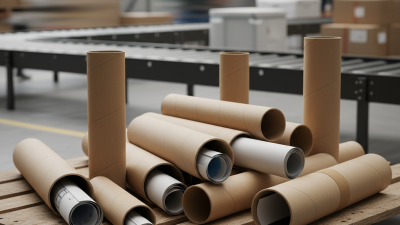
Cardboard cores come in various types and sizes. Each type serves different purposes. They are often used in packaging, crafts, and construction. The most common types are the standard cardboard tubes, heavy-duty cores, and decorative ones. Understanding their characteristics is crucial for effective use.
Standard cardboard tubes are lightweight and easy to handle. They work well for crafts and small projects. Heavy-duty cores offer more strength and durability. They can support heavier materials. Decorative cardboard cores often have unique designs. They add flair to various projects.
**Tips:** Consider the project’s requirements before choosing a core. Think about the weight and the purpose. Sometimes, a lightweight core is sufficient. Other times, a heavy-duty option is necessary. Don’t hesitate to mix different types too. Experimentation is key. You might find surprising results. Always test your choices before finalizing the design. Reflect on what works best for your needs.
How to Use Cardboard Cores Effectively for Your Projects?
| Core Type |
Diameter (inches) |
Thickness (mm) |
Strength |
Applications |
| Standard Cardboard Core |
3.0 |
5 |
Moderate |
Crafts, Packaging |
| Heavy Duty Cardboard Core |
4.0 |
7 |
High |
Industrial Use, Tubing |
| Spindle Cardboard Core |
5.0 |
10 |
Very High |
Textiles, Paper Rolls |
| Paper Tube Core |
2.0 |
4 |
Low |
Crafts, Decorative Use |
| Custom Die-Cut Core |
Varies |
Custom |
Variable |
Special Projects, Prototyping |
Practical Applications of Cardboard Cores in Various Projects
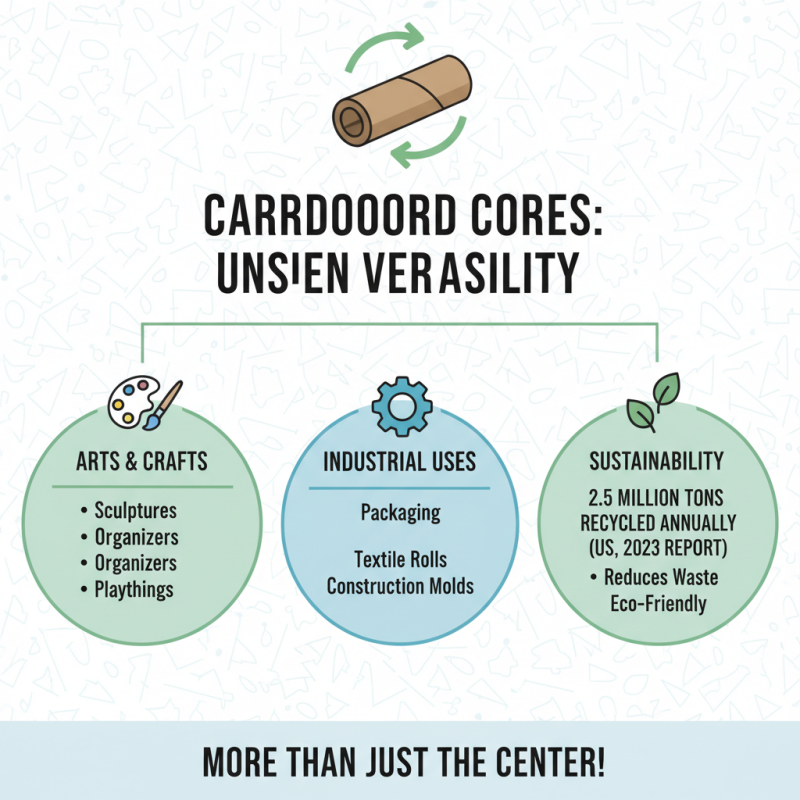
Cardboard cores are often overlooked yet versatile materials for various projects. They serve practical purposes in arts, crafts, and even industrial applications. According to a 2023 report from the Packaging Industry Association, approximately 2.5 million tons of cardboard are recycled every year, showcasing the importance of utilizing this resource effectively.
In crafting, cardboard cores can be used for creating innovative structures. For example, they can serve as the backbone for sculptures or model making. Artists often appreciate the lightweight yet sturdy qualities of cardboard. However, many struggle with finding unique ways to incorporate them into their work. To truly push boundaries, consider experimenting with different shapes and sizes. This approach can inspire creativity and lead to unexpected results.
Tip: When working with cardboard cores, use hot glue for assembly. It bonds quickly and provides strong support.
In industrial uses, cardboard cores help in maintaining the integrity of various products. They can be applied as reels for wrapping paper or textiles. Their strength is crucial for keeping items organized. Yet, not all users recognize the environmental impact. Many throw them away without realizing they can be recycled effectively. Rethinking disposal methods enables you to contribute to sustainability efforts.
Tip: Always check local recycling guidelines to ensure proper disposal. This simple act can help reduce waste significantly.
Step-by-Step Guide to Preparing Cardboard Cores for Use
Using cardboard cores for various projects is often underestimated. Preparing these materials correctly can significantly enhance their utility. Start by gathering your supplies: cardboard tubes, cutting tools, adhesive, and any decorative items you wish to use. The average diameter of common cardboard cores ranges from 3 to 6 inches, ideal for a wide range of uses.
Cutting the tubes to the desired length is crucial. Aim for uniform cuts to ensure your projects come together neatly. Data indicates that utilizing uniform pieces can lead to a 20% increase in project efficiency. After cutting, consider reinforcing the ends with adhesive to prevent fraying. Take care not to overapply glue; excess can lead to a messy finish.
Finally, decorative aspects can elevate utility. Paint or wrap the cardboard cores to match your project theme. Reflect on the effectiveness of your design choices as you progress. Some designs may not hold up to wear and tear, making it essential to evaluate what works best over time. Experimenting with different approaches will yield insight into refinement. Remember, not every attempt will be successful; learning comes from trial and error.
Creative Ideas for Repurposing Cardboard Cores in DIY Crafts
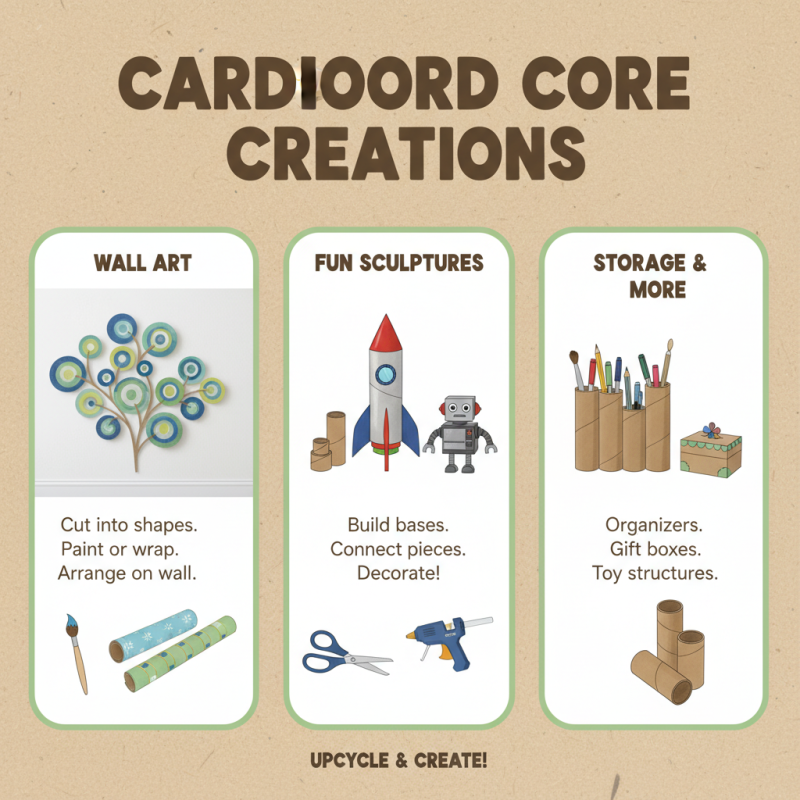
Cardboard cores, often discarded, can be transformed into creative DIY crafts. Their sturdy structure makes them ideal for various projects. You can start by cutting them into smaller pieces to create unique wall art. Use paint or wrapping paper to add a personal touch. They can even form the base for fun sculptures.
Another idea is to use these cores for organization. Cut them into sections to store cables or create drawer organizers. Decorate them to match your home decor. This not only repurposes the cardboard but also keeps things tidy. However, it's essential to measure accurately. Some might end up uneven, which can be frustrating.
For those with kids, crafting together can be a joy. Make binoculars or small telescopes from the cores. This activity sparks imagination and encourages hands-on learning. Yet, be prepared for messes. Kids can get creative, sometimes leading to unexpected results. Embrace those imperfections; they often lead to the best memories.
Tips for Maximizing the Durability and Functionality of Cardboard Cores
When using cardboard cores, maximizing their durability and functionality is key. Data shows that projects using high-quality cardboard cores can withstand more stress. This is crucial in applications like construction or DIY crafts. One study found that reinforced cardboard can increase load-bearing capacity by up to 40%. So, it’s best to choose thicker, well-constructed cores for heavier tasks.
Tips for enhancing cardboard core performance include sealing edges. Using tape or glue around the edges can prevent moisture absorption. Moisture is a core’s worst enemy. Consider layering multiple cardboard sheets if the project demands extra strength. This may increase durability, but remember it could add weight.
Another effective tip is proper storage. Storing cardboard cores in a dry, temperature-controlled area prevents warping. Exposure to heat and humidity can compromise their integrity. Don’t overlook the importance of safe handling. Drop impacts could cause unseen damage. It's important to scrutinize your materials before use. Sometimes, imperfections in the cores are easy to miss but critical to project success. Always give attention to detail.
Cardboard Core Durability and Functionality Comparison
This chart illustrates the durability scores of various types of cardboard cores based on their construction. The scores range from 0 to 10, indicating the comparative strength and resilience of each type. As shown, the Heavy-Duty Core scores the highest, offering maximum durability for demanding projects.