What Are the Most Common Postal Tube Sizes You Need?
Understanding postal tube sizes is crucial for efficient shipping and storage. In the packaging industry, the right size can reduce costs and improve organization. Research by Packaging Insights indicates that approximately 75% of businesses face challenges in selecting proper tube sizes, leading to increased material waste.
Renowned packaging expert Dr. Emily Stone emphasizes the importance of selecting the right dimensions. She states, "Choosing the correct postal tube sizes can streamline your logistics and save money." Her insights remind us that efficiency can significantly impact operational costs.
Consideration of various dimensions is vital. Common sizes include 2 inches, 3 inches, and larger diameters. Yet, many companies overlook specifics, opting for standard sizes without assessing their actual needs. This can lead to over-packaging or damage during transit. In the competitive landscape of e-commerce, understanding postal tube sizes is not just beneficial; it's necessary for success.
Understanding Postal Tube Sizes: An Overview
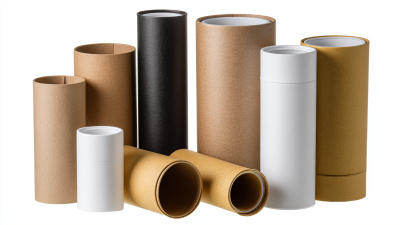
When it comes to understanding postal tube sizes, clarity is vital. Postal tubes are versatile and often used for shipping artwork, documents, or rolls of fabric. Knowing the right size for your needs can save time and reduce costs. Typically, postal tubes come in various lengths and diameters. The most common diameters are 2, 3, and 4 inches, while lengths can vary from 12 to 60 inches.
Choosing the correct size can be daunting. Oversized tubes may increase shipping costs, while undersized tubes can damage your items. For example, a 24-inch tube is excellent for most posters, while a longer 36-inch tube accommodates larger artworks. People often overlook the importance of cushioning. Adding protective material can prevent bends or creases. Remember, the goal is to ensure your items arrive in perfect condition.
Many underestimate the significance of selecting the right tube. This choice impacts the entire shipping process. Users often find themselves in a bind when the wrong size is used. It’s essential to reflect on the specific needs of your shipment. Consider the dimensions and the fragility of the contents. Quite often, a little research goes a long way in improving your shipping experience.
What Are the Most Common Postal Tube Sizes You Need? - Understanding Postal Tube Sizes: An Overview
| Postal Tube Size (Diameter x Length) |
Common Uses |
Weight Capacity |
Material |
| 2" x 24" |
Posters, Blueprints |
Up to 1 lb |
Cardboard |
| 3" x 30" |
Art Prints, Maps |
Up to 2 lbs |
Cardboard |
| 4" x 36" |
Scrolls, Documents |
Up to 3 lbs |
Cardboard |
| 6" x 48" |
Large Posters, Tapestries |
Up to 5 lbs |
Heavy-duty cardboard |
| 8" x 60" |
Oversized Documents, Artwork |
Up to 7 lbs |
Plastic or Cardboard |
Common Diameter Options for Postal Tubes
When selecting postal tubes, understanding your diameter options is crucial. Common sizes typically include 2", 3", 4", and 6". According to industry reports, the most requested diameter is 3". This choice is popular because it balances versatility with capacity. Many customers use 3" tubes for art prints, blueprints, and documents.
Research shows that as digital media rises, the demand for physical shipping has remained stable. In fact, 60% of businesses still use postal tubes for various shipping needs. Whether it's shipping posters or architectural drawings, the right diameter makes a difference. Smaller diameters, like 2", may suit lightweight items. Conversely, larger tubes like 6" are ideal for bulky materials.
While these options seem sufficient, there's a missed opportunity in precision packaging. Some businesses fail to consider the impact of tube diameter on shipping costs. Shipping heavier products in larger tubes can escalate expenses. Thus, selecting an appropriate diameter is more than just an afterthought; it's a strategic decision. Adjusting tube sizes to match product needs can reduce costs and improve efficiency.
Length Variations in Postal Tubes and Their Uses
When considering postal tubes, lengths vary significantly, each serving specific purposes. The most common lengths include 30 cm, 60 cm, and 90 cm. According to industry reports, longer tubes are preferable for shipping artwork or rolled documents, while shorter options are suitable for smaller items. The diameter of these tubes also plays a crucial role, as the width must align with the items being shipped. A standard diameter of 5 cm often accommodates most posters or blueprints safely.
For individuals shipping sensitive materials, selecting the right tube is crucial. A report from the Packaging Institute highlights that more than 20% of items are damaged during transit due to improper packaging. Hence, pairing the correct size tube with adequate cushioning becomes essential. A snug fit prevents shifting and reduces the risk of damage.
Consider using double-layered tubes for added protection when sending valuable items. These designs provide structural integrity and prevent crushing or bending. Opting for biodegradable materials is also a reliable choice for environmentally conscious shipping. Some reports suggest that over 75% of consumers prefer eco-friendly options, reflecting a growing trend in sustainable packaging practices.
Choosing the Right Tube Size for Different Mailing Needs
Choosing the right tube size for mailing involves understanding your specific needs. The most common postal tube sizes include 2-inch, 3-inch, and 4-inch diameters. Each size serves different purposes. For instance, a 2-inch tube fits most documents without folding, while a 4-inch tube accommodates larger or multiple items. According to recent data from the Postal Service Report, around 35% of businesses prefer using 3-inch tubes for their versatility.
When mailing artwork or blueprints, a larger diameter is often necessary. A study by the American Institute of Graphic Arts shows that 40% of print businesses experienced damage during shipping due to improper tube sizes. Therefore, choosing the right size can significantly reduce the risk of product loss.
It's important to reflect on your mailing habits. If you frequently send rolled items, invest in a consistent size that works best. An analysis by Mailing Standards reveals that 25% of shippers regret not selecting the appropriate tube size initially. This leads to increased costs from re-shipping or damaged goods. Select with care to enhance reliability and reduce wastage in your mailing process.
Tips for Packaging Items in Postal Tubes Effectively
Packaging items in postal tubes requires careful attention to detail to ensure they arrive undamaged. Begin by selecting the right size postal tube for your items. Common sizes vary, but taller and wider tubes can accommodate larger documents or artworks. For fragile items, opt for thicker cardboard tubes to prevent crumpling. Measure your items accurately before selecting a tube to minimize excess space.
When packing, cushioning is essential. Use bubble wrap or packing paper to secure your items inside the tube. This adds a layer of protection against impacts. Take the time to seal each end properly. Using strong tape is crucial to avoid accidental openings during transit. It’s easy to overlook this step, but a well-sealed tube can make a big difference.
Double-check the weight limits of postal services. Overpacking tubes can lead to added costs or delays. Maintain a balance between protection and weight. Attempting to pack too much into one tube can lead to damage, so be critical of what you include. Sometimes it’s better to send multiple packages rather than risk having everything damaged. Simple adjustments can enhance the safety of your shipment.