How to Choose the Right Spider Coupling for Your Needs?
Choosing the right spider coupling can significantly impact your machinery's performance. According to industry expert John Smith, “A perfect spider coupling can enhance the life of your equipment.” His experience shows that the right choice improves efficiency.
spider couplings connect two rotating shafts while allowing some flexibility. This flexibility helps accommodate misalignment and absorbs shocks. However, not all spider couplings are created equal. Consider the material, size, and application. Each fact influences performance and durability.
Many overlook crucial details when selecting a spider coupling. Failing to consider load capacity or environmental factors may lead to unexpected failures. It’s essential to reflect on specific needs before making a choice. Choose wisely; the right spider coupling can save time and reduce maintenance costs in the long run.
Understanding Spider Couplings and Their Applications
Spider couplings are essential components in various mechanical systems. They are used to connect two shafts while accommodating misalignment. This flexibility helps reduce vibrations and wear. Understanding the design of spider couplings is crucial for effective applications.
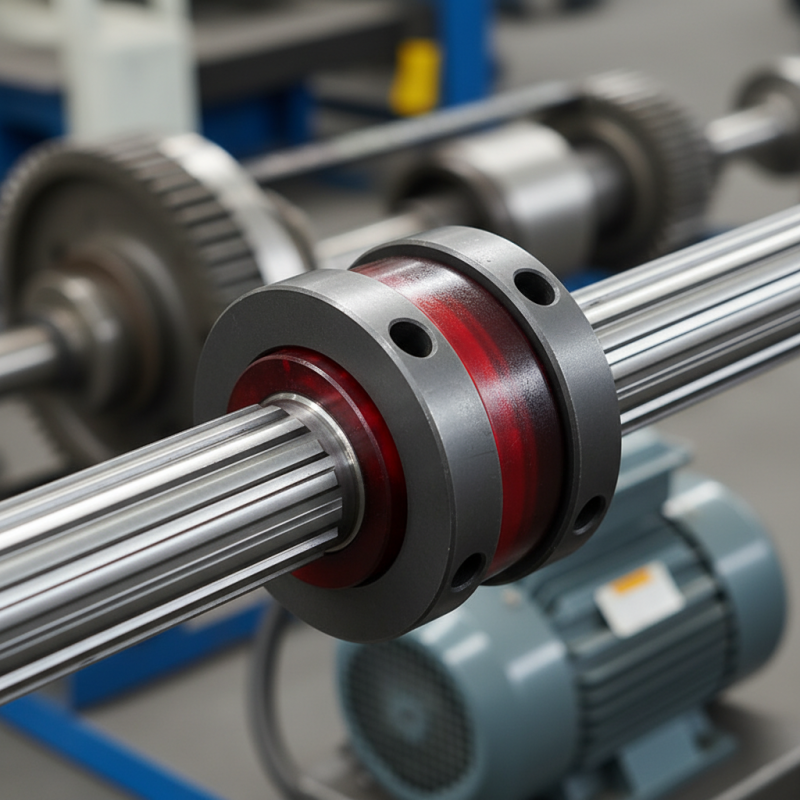
These couplings usually consist of two metal hubs and an elastomeric spider in the middle. The spider acts as a cushion, absorbing shock and impact. Various materials are used for spiders, like urethane or rubber. Each material has unique properties that suit different environments. For example, a softer material might work better in low-speed applications. Conversely, harder materials can withstand higher loads.
Applications of spider couplings are diverse. They are common in pumps, motors, and conveyor systems. However, selecting the right coupling can be challenging. Misjudging the load capacity can lead to failure. Over time, measurements should be reassessed for effectiveness. It’s important to continually refine the choice based on changing dynamics.
Types of Spider Couplings: A Comprehensive Overview
Spider couplings are essential components in mechanical systems. They provide flexibility and help absorb shocks. Understanding their types can lead to better decisions when selecting the right coupling for your application.
There are several types of spider couplings. First, you have the standard or general-purpose couplings. They offer good flexibility and are widely used in various settings. Then, there are high-torque couplings. These are specifically designed for heavy-duty applications, handling greater loads. Next, you have flexible couplings, which accommodate misalignment and reduce vibrations.
Choosing the right type requires careful consideration. For instance, if the application involves high speeds, a specific type may perform better than others. Additionally, certain couplings may wear out faster under specific conditions. It’s crucial to reflect on the environmental factors that may affect their longevity. Insufficient attention to details could lead to costly failures.
Factors to Consider When Selecting a Spider Coupling
Choosing the right spider coupling can be challenging. There are various factors to consider. First, think about the torque requirements of your application. Too much torque can lead to failure. Too little might cause slippage. Always align your coupling with the application needs.
Material choice is crucial. Common materials include rubber, polyurethane, and thermoplastics. Each offers different levels of flexibility and durability. It’s important to evaluate the operational environment too. Will the coupling face extreme temperatures or harsh chemicals? Ensure your selection can handle these stresses.
Think about the size and dimensions. If it does not fit well, it won’t function properly. Always measure your shafts and check compatibility. Sometimes, the right choice is not the most obvious one. Don’t hesitate to consult with experts. There might be hidden details that can affect performance. Making the right selection involves careful consideration.
How to Measure for the Right Spider Coupling Size
Choosing the right spider coupling begins with accurate measurement. To ensure optimal performance, you must consider the shaft diameter and the spacing between the shafts. Industry standards dictate that misalignment should be within specific tolerances to avoid excessive wear. Research shows that improper sizing can result in a 20-30% decrease in coupling life.
When measuring for size, use calipers for precision. Measure the shaft diameter at least twice. Variations can lead to compatibility issues. In addition, pay close attention to the length of the coupling. An incorrect length can lead to installation challenges. Some users report gaps or overly tight fittings when lengths are not accurately measured.
Moreover, don’t overlook the type of material. Different applications may require different materials for optimal performance. For instance, lightweight materials can reduce inertia. Conversely, heavier materials may enhance durability. Understanding the application and environment is essential. Remember, a tailored approach can save costs and improve longevity. If you're hesitant, consult with professionals. Their expertise can guide you in making a more informed decision.
Maintenance Tips for Optimal Performance of Spider Couplings
When it comes to spider couplings, maintenance is crucial for optimal performance. Regular inspections should be part of your routine. Check for wear and tear. Rubber elements can degrade over time. Look for any signs of cracks or discoloration. Ideally, replace components before they fail. It can save you from costly downtimes.
Lubrication is another key aspect. Ensure that all moving parts are well-oiled. This practice reduces friction. It can lead to a longer lifespan. However, don’t overdo it. Excessive lubrication can attract dirt and grime, creating more problems. Pay attention to your environment. Dusty or dirty areas can accelerate wear.
Finally, consider alignment. Misalignment can cause premature failure. Make sure everything is properly aligned during installation. If you notice vibrations or unusual noises, it might indicate an alignment issue. Regular adjustments can go a long way in maintaining the efficiency of your spider couplings. Each detail counts, and overlooking them might lead to future headaches. Be proactive in your maintenance approach.
Spider Coupling Maintenance Tips for Optimal Performance