Why Choose Plastic Boxes for Your Packaging Needs?
Choosing the right packaging is crucial for any business. Plastic boxes are often the go-to option. Industry expert, Dr. James L. Carter, states, “Plastic boxes provide both versatility and durability in packaging.” His insight highlights why so many companies favor this solution.
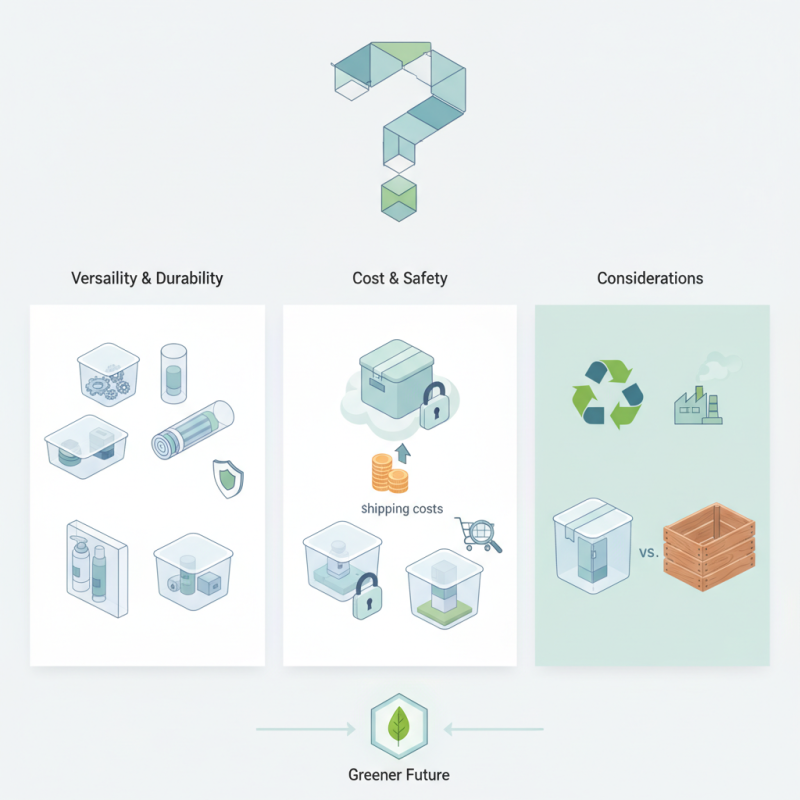
Plastic boxes offer a wide range of sizes and designs. They can be customized easily to fit specific products. This flexibility allows businesses to enhance their branding while ensuring product safety. Moreover, plastic boxes are lightweight yet strong, minimizing shipping costs. However, some may argue they lack the aesthetic appeal of glass or wood. This is a valid point to consider.
Transparency in plastic boxes allows customers to see the product inside. This feature can boost sales as consumers trust what they can see. Yet, environmental concerns about plastic are growing. Companies must weigh convenience against their sustainability goals. In conclusion, while plastic boxes present many benefits, the industry must evolve for a greener future.
Benefits of Using Plastic Boxes in Packaging Solutions
Plastic boxes have become a popular choice for packaging. Their durability is one of the key benefits. Unlike cardboard, plastic boxes resist moisture and resist wear. This makes them ideal for both storage and transport. They can hold various products safely without breaking or tearing. Many industries rely on them for this reason.
Another advantage is their versatility. Plastic boxes come in various shapes and sizes. They can be customized to meet specific needs. This flexibility allows businesses to present their products effectively. Additionally, plastic boxes are often reusable. This can save costs in the long run.
However, businesses should also consider their environmental impact. Using recycled plastic is a step towards sustainability.
While there are many benefits, there are limitations to consider. Not all plastic boxes are created equal. Some may not be suitable for certain products, especially food. It’s crucial to choose the right type for your needs. Making informed choices can improve packaging efficiency. Overall, plastic boxes are a strong option for many packaging needs, but reflection on their use is essential.
Durability and Protection Offered by Plastic Boxes
When considering packaging, durability is crucial. Plastic boxes provide a strong solution that protects contents effectively. Unlike cardboard, plastic boxes resist moisture and harsh handling. They won't easily tear or crush, making them ideal for various products. The rigid structure of plastic ensures that items remain unharmed during transit.
Additionally, plastic boxes can withstand temperature fluctuations and impacts. This resilience makes them suitable for industries like food, electronics, and cosmetics. However, not all plastic boxes are created equal. Some cheaper options may not offer the same level of protection. Researching material quality is essential for optimal selection.
There is a balance to strike between strength and environmental impact. While plastic boxes are durable, they contribute to waste if not recycled. Therefore, companies must consider sustainable practices. Reusable plastic containers are a notable alternative, extending their lifecycle. Making conscious choices about packaging materials can enhance both product protection and ecological responsibility.
Versatility of Plastic Boxes for Various Products
Plastic boxes offer remarkable versatility for packaging a wide variety of products. They can accommodate everything from food items to electronic devices. Their lightweight nature makes them a convenient choice for shipping. Additionally, plastic boxes come in various sizes and shapes, allowing businesses to select the perfect fit for their products. Customizable designs enhance branding options, making them stand out on store shelves.
In terms of durability, plastic boxes are resilient and protect contents against impacts and environmental factors. They are often waterproof and resistant to chemicals, ensuring that the packaged items remain safe. However, businesses should consider the environmental impact. Not all plastic boxes are recyclable, and improper disposal can harm ecosystems.
Moreover, while plastic packaging offers advantages, some consumers still prefer eco-friendly alternatives. This has led to ongoing discussions about sustainability in packaging. Brands must balance cost-effectiveness and environmental responsibility. By exploring both plastic and sustainable options, businesses can make informed choices that align with their values.
Why Choose Plastic Boxes for Your Packaging Needs? - Versatility of Plastic Boxes for Various Products
| Product Type | Size (cm) | Material Thickness (mm) | Color Options | Customization Features |
| Food Packaging Box | 20 x 15 x 10 | 0.5 | Clear, White, Black | Printing, Labeling |
| Cosmetics Box | 15 x 10 x 5 | 0.3 | Frosted, Black | Silk Screening, Inserts |
| Electronics Packaging Box | 25 x 20 x 10 | 0.4 | Transparent, Custom Colors | Die-Cutting, Custom Shapes |
| Gift Box | 30 x 25 x 15 | 0.6 | Bright Colors, Metallic | Embossing, Ribbons |
| Retail Display Box | 40 x 30 x 20 | 0.8 | Full Color Printing | Multi-Compartment, Branding |
Environmental Considerations in Plastic Box Packaging
Plastic packaging has faced scrutiny over environmental impacts. However, when managed correctly, plastic boxes can be a sustainable choice. According to a 2021 study by the European Plastics Converters, 55% of plastic packaging can be recycled. By using recyclable plastic boxes, businesses can minimize waste. They can reduce landfill contributions which, according to the Environmental Protection Agency, amounted to over over 27 million tons in the U.S. in 2020.
The production of plastic boxes has seen significant advancements. Innovative technologies increase recyclability and reduce carbon footprints. A report by the World Wildlife Fund highlights that using recycled plastic can cut greenhouse gas emissions by 30%. This data supports the idea that shifting toward plastic-based packaging can lessen environmental burdens if implemented thoughtfully. There are still challenges. Not all plastic is recycled, and contamination can hinder the process. Companies need to invest in education about proper recycling practices.
Cost-Effectiveness of Plastic Packaging Options
Plastic packaging options offer a cost-effective solution for many businesses. Compared to cardboard, plastic boxes can be less expensive to produce. They are lightweight, which reduces shipping costs. Businesses can save money by using plastic instead of heavier materials.
When considering plastic boxes, quality matters. Ensure the plastic is durable and suitable for your products. Low-quality plastic can lead to damage during transit, negating cost savings. Look for reliable suppliers who prioritize quality. Research their reputation before purchasing.
Tips: Always request samples before making bulk orders. This can help you evaluate the quality and suitability of the plastic boxes. Also, think about the environmental impact. Recycling options are a thoughtful aspect of packaging sustainability. Balancing cost and environmental responsibility is crucial for modern businesses.
Cost-Effectiveness of Plastic Packaging Options
This chart illustrates the average cost per unit of various packaging options. As shown, plastic boxes are the most cost-effective option, making them a preferred choice for many businesses looking to optimize their packaging expenses.