Top Tips for Choosing New Label Materials for Your Business?
Choosing the right New Label Materials for your business can be challenging. The materials you select impact branding and customer perception. High-quality labels convey professionalism. Poor choices can lead to dissatisfaction and waste.
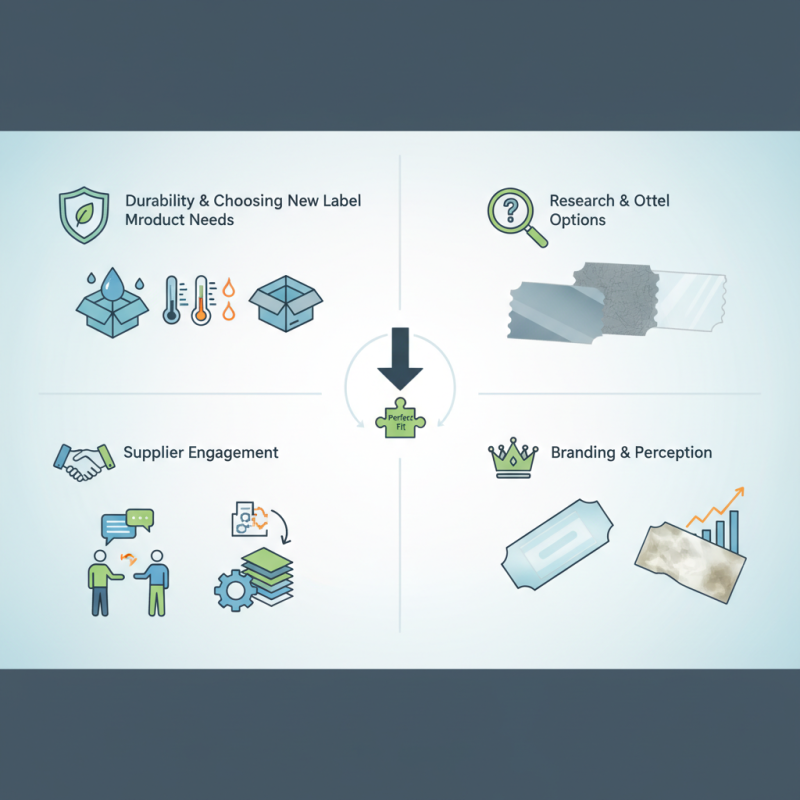
Consider the specific needs of your products. Do they require durability? Are they exposed to moisture or extreme temperatures? Understanding these factors is essential. You might find a material that looks great but doesn’t perform well in real-world conditions. Sometimes, materials like vinyl or paper are overlooked for the wrong reasons.
Research the options available in the market. Each material offers different qualities and advantages. Engage with suppliers who have experience in your industry. They can offer insights based on what has worked for others. Remember, paying attention to details now can save you headaches later. The goal is to find the perfect fit for your brand's identity and practical requirements.
Understanding Your Business Needs for Label Materials
When selecting label materials, understanding your business needs is crucial. What are your products? Will they be exposed to moisture or extreme temperatures? Answering these questions helps identify the right materials. For instance, waterproof labels are essential for products in wet environments. They prevent damage and maintain readability.
Consider the surface of your packaging. Smooth surfaces require different adhesives than textured ones. A wrong choice can lead to peeling or obscured information. Test samples before making a final decision. This simple step can save time and costs.
Think about your branding too. The material can affect how your product is perceived. High-quality labels convey professionalism. In contrast, low-quality labels can hurt your brand's image. Be mindful of the aesthetics, as customers often judge a product by its packaging. Balancing functionality with visual appeal is a challenge worth addressing.
Evaluating Different Types of Label Materials Available
When evaluating different types of label materials for your business, consider a few essential factors. The choice of materials impacts durability, appearance, and overall cost. Paper labels are economical and work well for indoor use. However, they may not withstand moisture or extreme conditions. Plastic labels are more durable, but their costs can add up quickly.
Tip 1: Assess the environment where labels will be used. For outdoor products, consider materials that resist fading and tearing. Adhesives are also crucial. Ensure they bond well under various conditions.
Tip 2: Test different materials before making a final decision. Print samples on potential materials to see how they look and feel. Often, what looks good on-screen doesn't translate well to physical labels. Take time to reflect on how these choices impact your brand’s image.
Tip 3: Don’t ignore the importance of sustainability. Many businesses overlook eco-friendly options. Materials like biodegradable labels are increasingly available. They can promote your commitment to the environment. However, weigh the pros and cons regarding cost and performance.
Factors to Consider: Durability, Adhesives, and Printing Options
When selecting label materials, durability is key. Consider the environment where labels will be used. Will they face moisture, heat, or abrasion? Materials like polyester and vinyl offer good resistance. However, cheaper options might not hold up well, leading to fading or peeling. Understanding the specific conditions can help guide your choice.
Adhesives are another critical factor. Not every adhesive suits every surface. A permanent adhesive will bond strongly to surfaces but can be difficult to remove. Removable adhesives are less aggressive and easier to handle. However, they may lack the strength needed for long-term applications. Assess the surfaces you need to adhere to and choose wisely.
Printing options also play a vital role. Some materials work better with certain printing techniques. Digital printing offers flexibility but can incur higher costs for small runs. Flexographic printing is cost-effective for larger volumes. Consider your project's scale and budget while exploring these options. Your choice can significantly impact the final look and functionality of the labels.
Cost-Effectiveness in Choosing Label Materials for Your Production
Choosing the right label materials for your business can significantly impact your production costs. To ensure cost-effectiveness, consider the specific needs of your products. Evaluate the materials that best protect your items while aligning with your budget. For instance, synthetic labels might be more expensive upfront but can offer better durability, potentially reducing replacement costs.
When identifying the best labels for your production, ask yourself a few important questions. What are the environmental conditions your labels will face? Will they be exposed to moisture or harsh chemicals? These factors can guide you toward more suitable materials. Sometimes, cheaper labels may not withstand these conditions, leading to higher long-term expenses.
It's also wise to compare suppliers. Not all label providers offer the same quality or pricing. Look for companies that are transparent about their materials and production processes. A lower price may seem appealing but can lead to reliability issues. Engaging with suppliers who are knowledgeable will help you choose wisely. Balancing upfront cost with long-term durability is critical for maintaining an efficient production line.
Sustainability and Environmental Impact of Label Material Choices
When selecting label materials, considering sustainability is vital. Many businesses overlook the environmental impact of their choices. Traditional plastic labels often contribute to pollution and landfills. Opting for biodegradable or recyclable materials can reduce this negative footprint significantly.
Choosing sustainable labels involves evaluating sources. Look for options made from recycled substances. This helps minimize the demand for new resources. Be cautious, though—some so-called eco-friendly materials may not be as green as claimed. Research certifications to ensure transparency.
It’s essential to balance sustainability with practicality. Some biodegradable labels may not withstand certain conditions. This could lead to damage or increased waste. Testing materials in real-use scenarios can provide insights into their performance. Reflect on your choices and their long-term effects on the environment.
Top Tips for Choosing New Label Materials for Your Business
| Material Type | Sustainability Rating | Recyclability | Durability | Cost per 1000 Labels |
| Recycled Paper | High | Yes | Moderate | $150 |
| Biodegradable Plastic | High | Yes | Moderate | $200 |
| Vinyl | Medium | No | High | $250 |
| Polyester | Medium | No | High | $230 |
| Organic Cotton | High | Yes | Low | $180 |
| PLA (Polylactic Acid) | High | Yes | Moderate | $210 |