How to Choose the Best Cardboard Packaging for Your Products?
Selecting the right cardboard packaging can significantly impact your product's success. Mark Simmons, a leading expert in the cardboard packaging industry, once stated, "The right packaging speaks volumes about your brand." This highlights the importance of thoughtful choices.
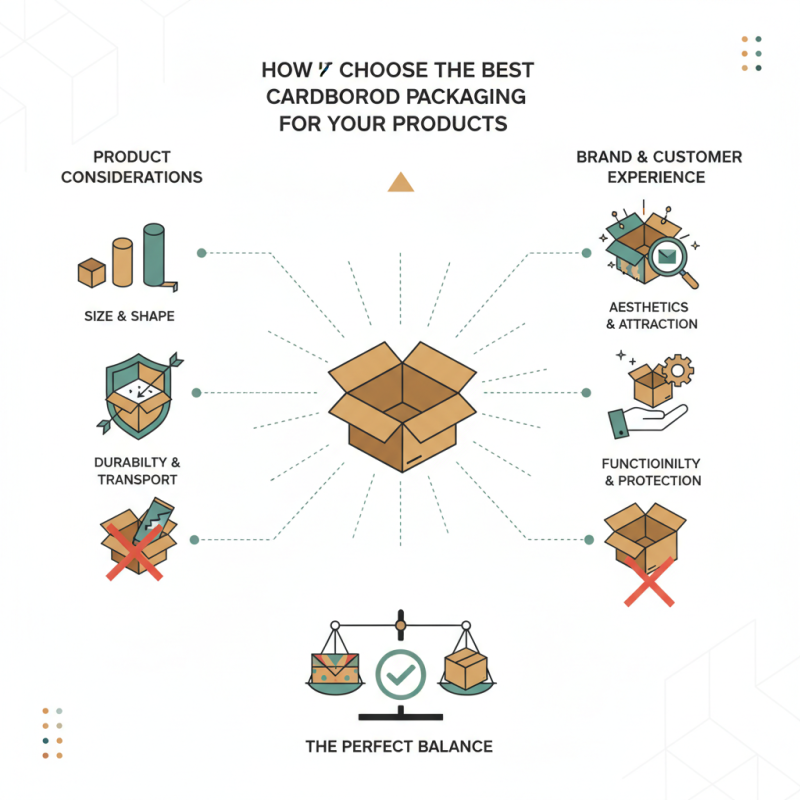
When considering cardboard packaging, various factors come into play. The size and shape of your product matter. You must also think about the durability needed for transport. Poorly designed packaging can lead to product damage. Such mistakes may cost you customers.
Additionally, aesthetics should not be overlooked. Attractive packaging can draw attention and enhance customer experience. However, many brands often focus too much on looks and forget about functionality. Finding the perfect balance is challenging but essential for success in the cardboard packaging landscape.
Understanding Your Product Requirements for Cardboard Packaging
When choosing cardboard packaging, understanding your product's requirements is essential. The material's weight, size, and fragility will dictate the best option. Heavy items need sturdier boxes. Fragile products require extra cushioning. Different products come with distinct needs.
Tips: Consider how the box will be opened. A difficult-to-open package can frustrate customers. Packaging too tightly can damage your items. Ensure that the box fits well, but not too snugly.
Think about the product's shelf life. For perishables, moisture-resistant packaging helps maintain quality. If your items need specific temperatures, insulation is key. Reflect on your product's journey. It will travel to customers. Ensure it arrives in perfect condition.
Tips: Always test your packaging. Sometimes, even the best materials can fail. Don't skip this crucial step. Listen to feedback from customers. It can reveal flaws. Small adjustments can make a big difference.
Different Types of Cardboard Materials and Their Properties
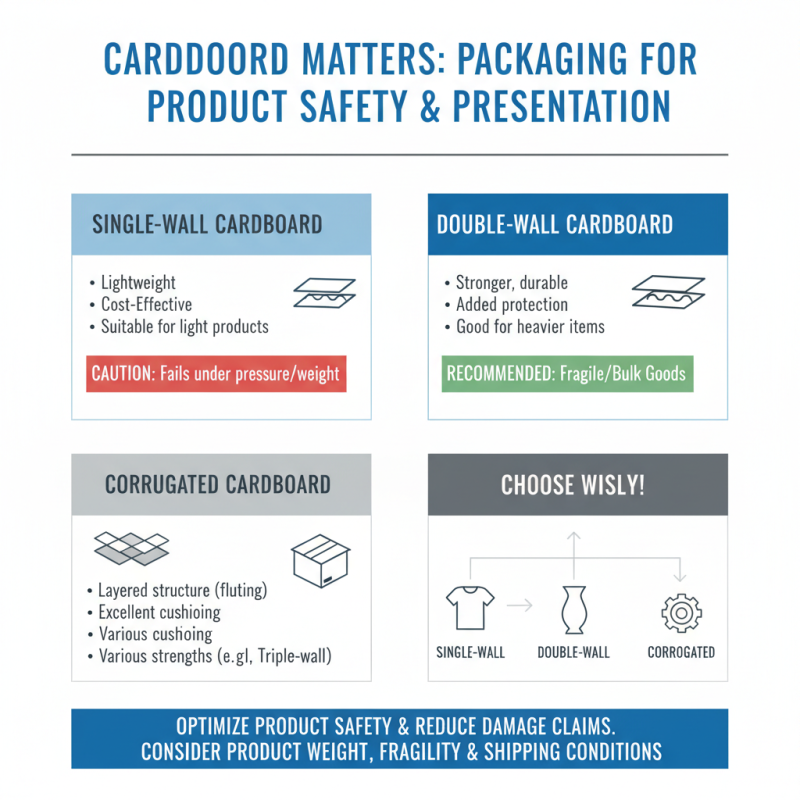
Choosing the right cardboard material can significantly impact product safety and presentation. There are several types of cardboard, each with unique properties. For instance, single-wall cardboard is lightweight and cost-effective. It’s suitable for products that don’t require heavy-duty packaging. However, this material may fail under pressure or weight.
Double-wall cardboard offers added strength. It consists of two layers, providing better protection for fragile items. This type is often used in shipping. Still, its heavier weight can increase shipping costs. Consider whether the added protection justifies the expense.
Another option is corrugated cardboard. It features a fluted inner layer, making it sturdy while remaining lightweight. This material is versatile and can be customized easily. Yet, it can absorb moisture if not treated well. Reflecting on the specific needs of your products is crucial. It's essential to experiment with different materials to find the best fit.
Evaluating Eco-Friendliness and Sustainability of Packaging Options
When evaluating the eco-friendliness of cardboard packaging, consider the materials used. Is the cardboard sourced sustainably? Look for certifications that ensure responsible forestry practices. Recycled cardboard is a better option. It reduces waste and energy consumption. However, not all recycled materials are equal. Quality may vary, affecting the packaging's strength.
Think about the lifecycle of your packaging. Can it be reused or recycled easily after use? Many consumers appreciate products with minimal packaging. However, businesses sometimes focus too much on aesthetics over functionality. This can lead to wasteful designs. Reflect on whether your packaging truly serves its purpose: protection and minimal environmental impact.
Explore alternative options, like biodegradable coatings. They enhance durability without harming the environment. Yet, not all options are available everywhere. Consider local availability and potential sourcing challenges. Ultimately, the goal is to balance aesthetics, functionality, and sustainability in your cardboard packaging choices.
Design Considerations for Effective Cardboard Packaging
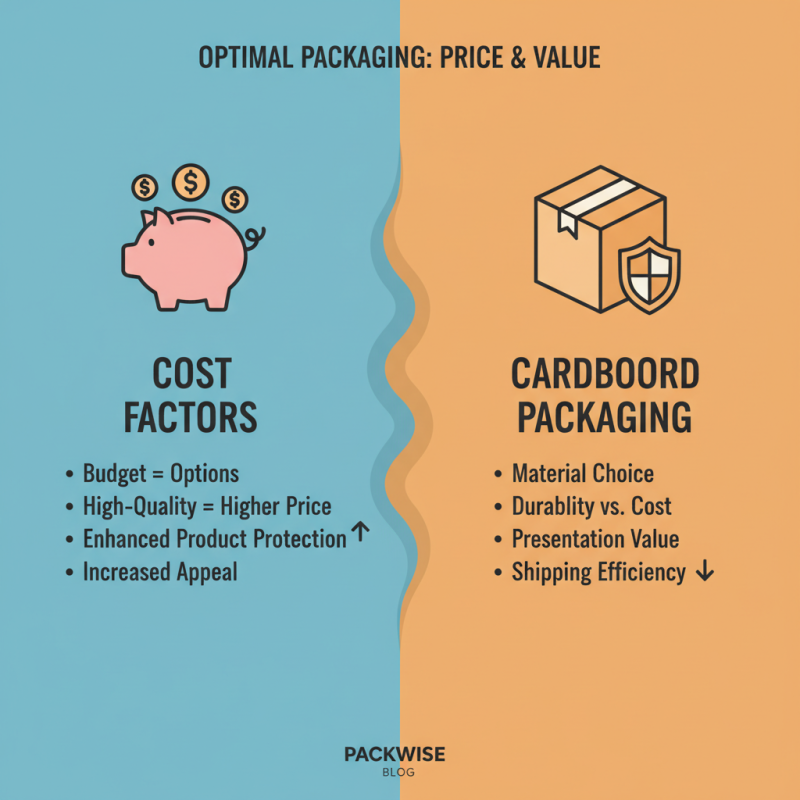
When designing cardboard packaging, consider its function. It should protect the product during transport. Using the right thickness matters. Thicker cardboard often offers better protection, but it can also increase costs. Balance is key.
Visual appeal is another vital aspect. Think about color and design. A simple, clean look often works best. Complicated designs can distract and confuse. You might want to use your brand colors effectively, but keep it refined. Clarity is crucial; don’t overload information on the box.
Reflect on the user experience as well. How easy is it to open? Is the packaging reusable? Customers appreciate functionality. Sometimes, we overcomplicate packaging, forgetting its purpose. Don’t overlook feedback from customers; it can inspire better designs.