How to Choose the Best Carbon Steel Coil Exporter for Your Needs?
Choosing the right Carbon Steel Coil Exporter can greatly impact your business. The market offers a wide variety of companies, each with distinct strengths. It's essential to understand your specific needs before making a decision.
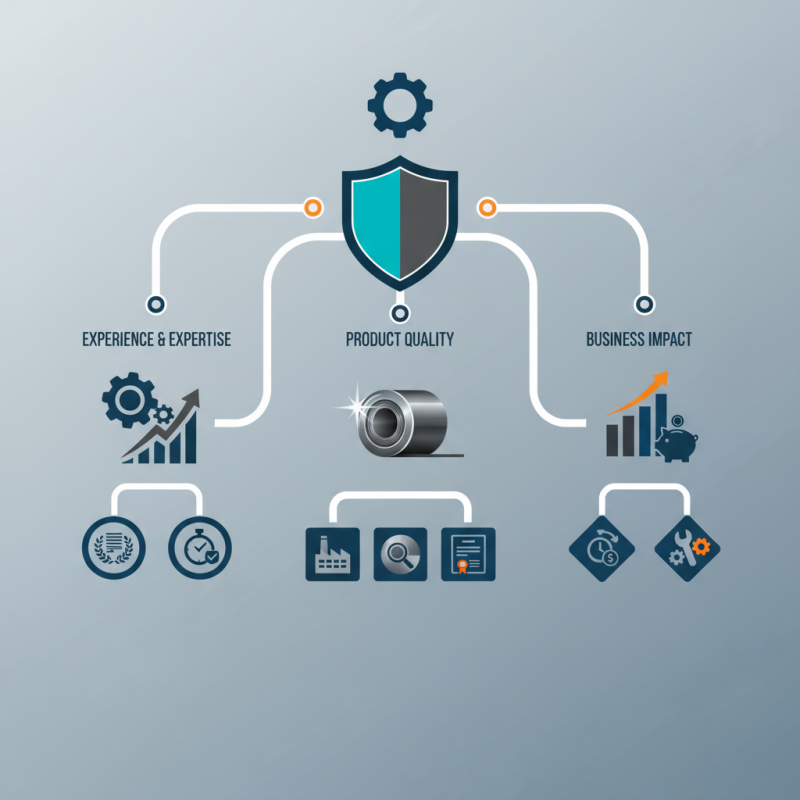
Experience and expertise are crucial factors. Look for exporters with a solid track record. Companies with years of industry experience tend to provide better service. They understand market trends and customer demands. Do they have the right certifications? This adds to their credibility.
Assess the quality of their products. Are they sourcing from reliable mills? Quality varies among suppliers. A good exporter should guarantee the steel's properties and specifications. Visit their facilities if possible. Sometimes, you need to see things for yourself. Remember, your choice can affect production efficiency and costs significantly.
Understanding Your Requirements for Carbon Steel Coils
When selecting a carbon steel coil exporter, understanding your specific needs is crucial. Identify the grades of carbon steel required and their applications in your industry. According to the World Steel Association, carbon steel represents approximately 85% of global steel production. This highlights its importance in sectors such as construction, automotive, and manufacturing.
Consider the specifications you need. For example, gauge, width, and yield strength play pivotal roles in determining the right coils for your projects. Reports from industry analysts indicate that demand for high-strength carbon steel coils is rising, with projections estimating a CAGR of 4.5% by 2030. Ensure your chosen exporter can meet these criteria consistently.
It's also important to assess the reliability of potential exporters. Look into their track record, customer reviews, and financial stability. Some exporters may promise quick delivery but fail on quality. Transparency in sourcing and production processes is a crucial factor that can impact your long-term partnerships. Keeping in mind that not all exporters can cater to specialized needs could save you future complications.
How to Choose the Best Carbon Steel Coil Exporter for Your Needs?
| Specification | Standard | Thickness (mm) | Width (mm) | Coating | Application | Export Regions |
| Grade A | ASTM A366 | 0.5 - 10 | 1000 - 1500 | Oiled | Automotive, Construction | Asia, Europe |
| Grade B | JIS G3131 | 1.0 - 12 | 800 - 1200 | Hot-Dip Galvanized | Heavy Machinery | North America, Oceania |
| Grade C | EN 10130 | 0.3 - 8 | 600 - 1000 | Cold-Rolled | Consumer Goods | South America, Africa |
Researching Potential Exporters and Their Reputation
When researching potential carbon steel coil exporters, reputation plays a crucial role. Industry reports indicate that a strong reputation often correlates with quality and reliability. According to a survey by Metal Bulletin, 78% of buyers prioritize the supplier's market reputation before making decisions. Understanding an exporter's standing can help avoid costly mistakes.
Evaluating customer reviews and testimonials is essential. Solid feedback reveals the exporter's commitment to quality and service. Look for consistency in positive reviews. A report from Statista shows that 65% of businesses consider customer feedback vital in their decisions. It is wise to consider any recurring negative comments. Some exporters may overlook quality control, leading to significant issues later.
Additionally, communication is key. A responsive exporter usually indicates professionalism. Clear communication can mitigate potential misunderstandings. Some reports highlight that exporters with proactive communication see a 23% higher customer satisfaction rate. Discover how the exporter's previous clients felt about their responsiveness. A lack of transparency can be a red flag in the selection process.
Evaluating Pricing and Quality of Carbon Steel Coils
When evaluating the pricing and quality of carbon steel coils, start by researching the materials used in their production. Knowing the grades and types of carbon steel can reveal a lot about their potential applications. Different mills can offer varying quality standards, so pay attention to certifications. Look for suppliers that adhere to international quality norms. This can impact both performance and longevity in your projects.
Price is a significant factor, but don’t chase the cheapest option blindly. Gathering multiple quotes can help you understand the market better. Keep in mind that a low price may indicate lower quality. Examine what is included in the pricing. Are shipping and handling covered? What about service guarantees? Reading reviews from other customers may shed light on their experiences and provide insights into the supplier’s reliability.
Be mindful of the specifications you require. Different applications might need distinct qualities. If the steel coil won’t meet your standards, the outcome could be costly. It's vital to assess the total value, not just the upfront cost. Finding the balance between quality and price often requires deep thought and can lead to better decisions in the long run. Consider visiting suppliers when possible to gain firsthand insight into their operations.
Pricing and Quality Evaluation of Carbon Steel Coils
Analyzing Exporter Compliance with International Standards
When selecting a carbon steel coil exporter, compliance with international standards is essential. The importance of standards cannot be overstated. According to a report by the World Steel Association, around 60% of serious export delays are linked to non-compliance with required regulations. An exporter adhering to standards tends to ensure product quality and reliability.
It is vital to verify an exporter’s certifications. ISO 9001 certification is a benchmark in this field, ensuring quality management systems are in place. Many reputable exporters meet this standard to enhance operations. Compliance signals an awareness of quality and a commitment to continuous improvement. Yet, not all exporters adhere to these efficiencies. Some may display certifications superficially. Inspection of actual operations is necessary to confirm compliance.
Understanding material specifications is equally important. Global standards such as ASTM and EN provide guidelines that should match your needs. Reports indicate that many dealers fail to fully comply with these specifications. As a buyer, relying solely on their claims can lead to disappointment. Always request detailed documentation and strive for transparency in responses. It fosters a more reliable business relationship and minimizes future disputes.
Establishing Communication and Support Channels with Exporters
Establishing effective communication with carbon steel coil exporters is crucial. Clear channels of communication can prevent misunderstandings. When you reach out, ask direct questions. Inquire about lead times, pricing, and specifications. Providing detailed requests will help exporters understand your needs better.
Support channels are equally important. Determine the availability of customer service. Assess how quickly an exporter responds to inquiries. A quick response can indicate a reliable partner. Sometimes, exporters may not provide all necessary information upfront. It’s essential to follow up for clarity. Don't hesitate to ask for technical details or compliance certificates.
Additionally, consider cultural differences. Business practices may vary across regions. Understanding these nuances enhances collaboration. Trust often develops through consistent communication and support. If you notice delays in responses, reflect on your approach. Are your queries clear and specific? Adjust accordingly to foster better relationships with potential partners.