China Best Machine Vision Inspection Techniques for Quality Control?
In the realm of quality control, Machine Vision Inspection stands out as a transformative technology. It utilizes advanced imaging techniques to enhance manufacturing processes. Companies across various sectors increasingly adopt these systems to ensure product quality. However, integrating Machine Vision Inspection poses challenges.
For instance, selecting the right equipment can be daunting. Different industries require specific solutions. The complexity of image processing algorithms can also be overwhelming. Some organizations struggle to train their teams effectively. The potential of Machine Vision Inspection is clear, but hurdles remain.
Implementation is not always smooth. Misalignment between expectations and actual results can cause frustration. Users must reflect on their unique requirements to maximize efficiency. Despite these imperfections, Machine Vision Inspection remains a vital tool for improving quality control.
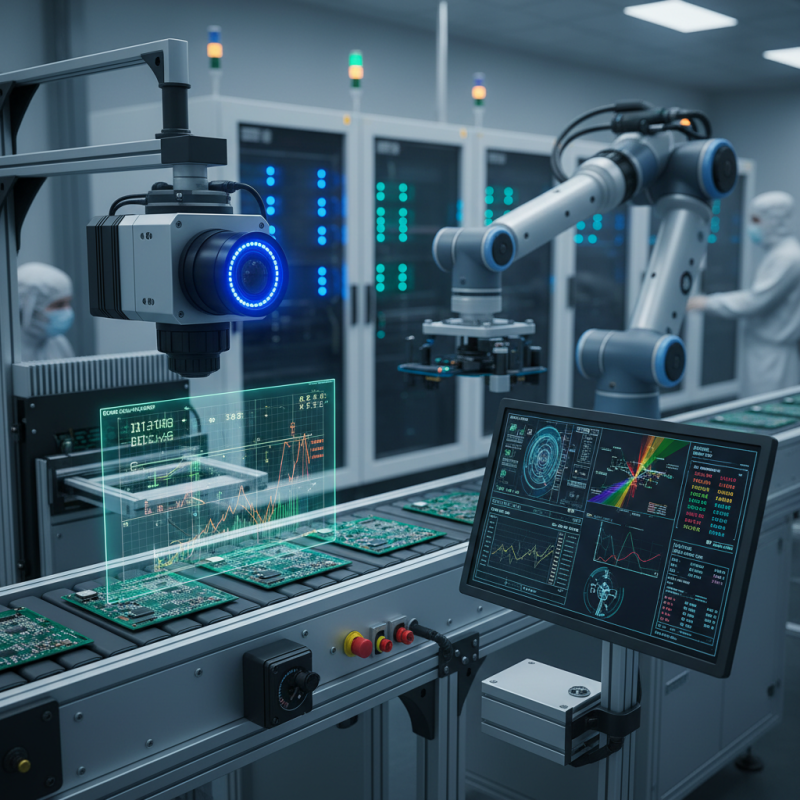
China's Advancement in Machine Vision Technologies for Quality Control
Machine vision technologies have made significant strides in China, particularly in quality control. The industry has seen a rapid adoption of advanced imaging systems. A recent report from a leading market analysis firm estimates that the machine vision market in China is expected to exceed $5 billion by 2025. This growth is driven by the demand for high accuracy in manufacturing processes.
Quality control through machine vision offers precision in detecting defects. Automated systems can inspect products at high speeds, catching errors that human inspectors might miss. For instance, a recent study noted that machine vision systems can reduce inspection time by up to 30%. However, the reliance on technology raises concerns. For example, improper calibration can lead to false positives or negatives in defect detection.
China's advancements in algorithms have improved image processing and analysis. Deep learning techniques are rapidly evolving, enhancing the ability to identify complex defects. Yet, the technology is not infallible. There are instances where camera angles or lighting conditions affect performance. Manufacturers need to continuously assess and optimize their systems to ensure reliability and accuracy in quality control.
Key Techniques Utilized in Machine Vision Inspection in China
China has emerged as a leader in machine vision inspection techniques, crucial for ensuring quality control. These techniques utilize sophisticated imaging technologies to analyze products during the manufacturing process. The popular methods include 2D and 3D imaging, which help in detecting defects on surfaces or measuring dimensions accurately.
Tips: Regularly train your team on the latest imaging techniques. This can enhance the effectiveness of inspection processes.
Another key method is pattern recognition. It identifies specific features, ensuring all items meet quality standards. Companies often use deep learning algorithms for improved accuracy. However, reliance on these algorithms can lead to overlooking subtle issues. It's important to periodically reassess the software's performance to avoid potential blind spots.
Tips: Create a feedback loop for inspection results. This will help improve system updates over time.
Incorporating infrared and UV imaging can be beneficial for certain industries. These methods reveal problems invisible to the naked eye. However, implementation can be costly and may require specialized training. Balancing cost and capability is vital. Regular assessments can shed light on the effectiveness of the chosen technique.
Comparison of Traditional Inspection Methods and Machine Vision Systems
Traditional inspection methods often rely on human eyes. Operators visually check products one by one. This process can introduce inconsistencies. Fatigue may lead to overlooked defects. The speed of manual inspection is also limited. A worker can only inspect a certain number of items per minute. Errors can become costly.
Machine vision systems offer a different approach. Cameras capture images at high speeds. Software analyzes these images with precision. Defects can be detected quickly and consistently. No breaks or fatigue affect performance. However, machine vision systems are not infallible. They require proper calibration. Poor lighting or misalignment can yield inaccurate results. Thus, human intervention may still be necessary to troubleshoot.
Combining both methods might offer a solution. Human inspectors can handle complex tasks. Meanwhile, machine vision can take care of repetitive, straightforward inspections. This blend can enhance efficiency. It allows for greater accuracy. Yet, businesses must evaluate their specific needs carefully. Balancing technology and human skills remains an ongoing challenge.
Case Studies: Successful Implementations of Machine Vision in Industry
Machine vision inspection has transformed quality control in various industries. Many factories now utilize this technology to enhance product accuracy. For instance, in the automotive sector, machine vision systems detect defects in car parts during production. These systems analyze images in real-time. They can spot even tiny inconsistencies, which human inspectors might miss.
A notable case study involves a food processing plant. The facility integrated machine vision to check package seals. Incorrect seals can lead to contamination. By ensuring every package is sealed properly, they increased safety and reduced waste. However, the system faced challenges. Occasionally, a malfunction caused false positives, leading to unnecessary discards. This issue required ongoing adjustments and training.
In another example, an electronics manufacturer used machine vision for circuit board inspections. The system successfully identified misplaced components. Yet, it struggled with the variability in manufacturing conditions. Lighting changes affected the accuracy of the inspections. This inconsistency prompted the need for better calibration processes. Such experiences highlight the importance of continual improvement in machine vision implementations.
Machine Vision Inspection Techniques for Quality Control
Future Trends in Machine Vision Inspection for Quality Control in China
The future of machine vision inspection in China is an exciting yet complex field. Emerging technologies are paving the way for improved quality control processes. Tools like artificial intelligence and deep learning algorithms are enhancing image processing accuracy. Manufacturers are facing increasing demands for more precise inspections.
However, challenges persist. Integration of these technologies requires skilled personnel who understand both programming and machine operations. Moreover, many factories still rely on outdated systems. This hampers progress and can lead to misinterpretations in inspections. As a result, companies must invest in training and upgrading their technology.
Another important trend is real-time data analysis. Companies can monitor products on the production line continuously. Instantly identifying defects can reduce waste and rework. Yet, not all firms can adapt swiftly to this change. Some may struggle with "data overload", making decisions difficult. Embracing this future means recognizing current limitations and planning for gradual improvements.