What is a cardboard tube and how is it used?
Cardboard tubes are versatile products used in numerous industries. They are made from recycled paper and serve various purposes, from packaging to crafting. Dr. Emily Carter, an industry expert, states, "Cardboard tubes are a sustainable choice for packaging solutions." This highlights their importance in today's eco-conscious world.
Commonly found in everyday products, cardboard tubes come in different sizes. They are used to store and ship items like wrapping paper, textiles, and posters. Despite their practicality, many people overlook their potential. The creative use of cardboard tubes is often undervalued in crafting and DIY projects.
While cardboard tubes appear simple, their production comes with environmental challenges. Rethinking how we use them can lead to improved sustainability. The industry must continuously innovate. Addressing waste and exploring new functionalities is crucial. Embracing the full potential of cardboard tubes may inspire better design solutions in the future.
Definition and Characteristics of Cardboard Tubes
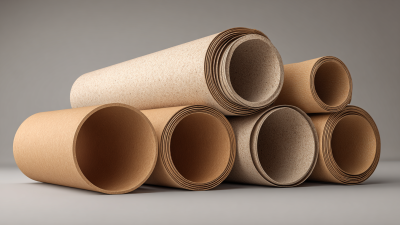
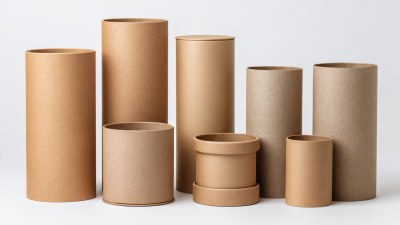
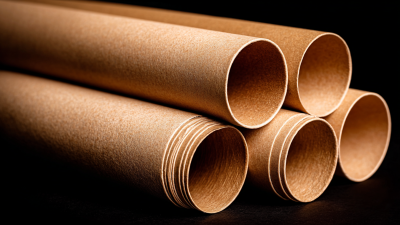
Cardboard tubes are cylindrical structures made from layers of glued, recycled paper. They are lightweight yet sturdy. Often used in packaging, they provide support and protection for various products. Cardboard tubes can be found in different sizes, tailored for distinct applications. This versatility is key to their popularity.
The characteristics of cardboard tubes include their eco-friendliness. They are biodegradable and recyclable, which is a bonus for sustainable practices. They can be manufactured in various lengths and diameters, making them adaptable to specific needs. Some may have added features, like perforations or finishes, for usability. However, it’s worth noting that their durability can sometimes be a concern. In moist environments, they may weaken and lose structural integrity.
Moreover, the aesthetics of cardboard tubes can vary. Some may appear plain, while others sport vibrant prints. Design choices often reflect the intended purpose, whether for storage or creative projects. It's interesting to see how people repurpose these tubes. They can become creative craft projects or even useful tools in household tasks. Yet, not everyone recognizes their potential. Sometimes, these tubes end up in the trash, despite their many uses.
Common Materials Used in Cardboard Tube Production
Cardboard tubes are widely used for various applications, from packaging to arts and crafts. The production of these tubes relies heavily on specific materials. Commonly used materials include recycled paper, kraft paper, and specialty papers. According to the Paper and Paperboard Packaging Environmental Council, about 70% of cardboard tubes are made from recycled content, contributing to sustainability.
Recycled paper provides strength and durability. Kraft paper, known for its toughness, often serves as an outer layer. Specialty papers, while more expensive, add unique textures or colors. The production process can impact quality. Poorly sourced raw materials can lead to weak tubes, which fail in their intended use. Inadequate quality control is another concern in the industry.
Furthermore, environmental considerations are important. A report from the Fibre Box Association states that cardboard tube production generates fewer greenhouse gas emissions compared to plastic alternatives. However, not all manufacturers prioritize sustainability. It's vital for consumers to support those who do, ensuring a minimal ecological footprint. Balancing quality and sustainability remains a challenge in the industry.
What is a cardboard tube and how is it used? - Common Materials Used in Cardboard Tube Production
| Material |
Properties |
Common Uses |
Environmental Impact |
| Recycled Paper |
Sustainable, strong, and lightweight |
Packaging, construction, crafts |
Low environmental impact, biodegradable |
| Virgin Paper |
Durable, smooth surface, higher strength |
High-quality packaging, industrial use |
Higher environmental impact, not biodegradable |
| Cardboard |
Sturdy, flat surface, recyclable |
Shipping, displays, art projects |
Moderate environmental impact, recyclable |
| Paperboard |
Lightweight, versatile, printed easily |
Tubes for cosmetics, food packaging |
Low impact, can be made from recycled materials |
Popular Applications of Cardboard Tubes in Various Industries
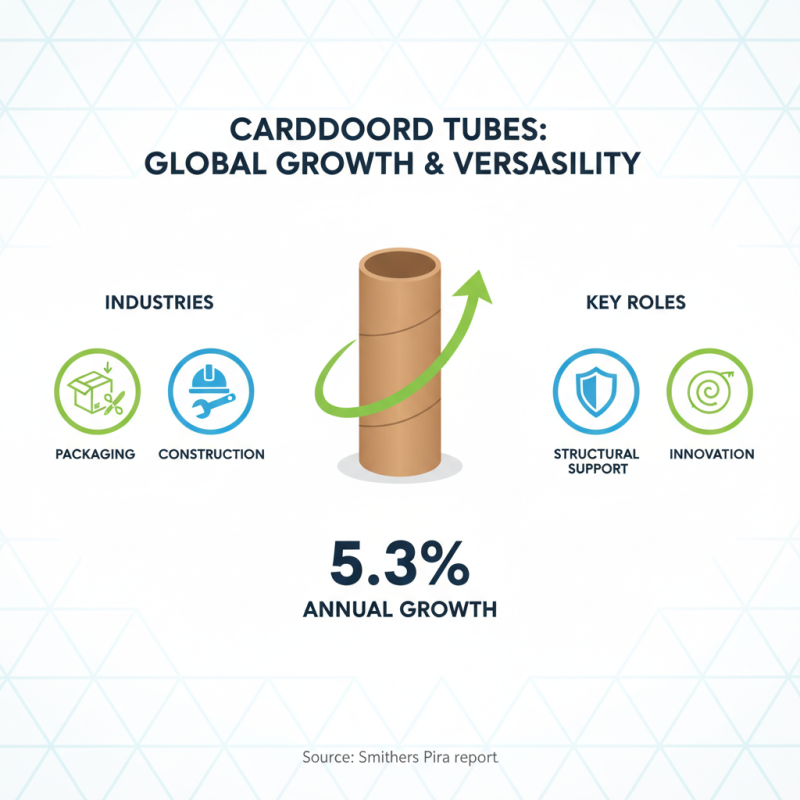
Cardboard tubes are versatile materials used in various industries. They serve crucial roles in packaging, construction, and even arts and crafts. According to a report by Smithers Pira, the global market for cardboard tubes is projected to grow by 5.3% annually. This growth highlights their increasing importance in everyday applications.
In packaging, cardboard tubes protect products during transport. They hold items like posters and textiles securely. In construction, they are often used as formwork for concrete structures. A study from Tests & Measurements noted that 20% of construction materials could be replaced with sustainable options like cardboard. These tubes are often overlooked but are effective in reducing waste.
However, not all uses of cardboard tubes are perfect. Some industries have questioned their durability. In consumer products, tubes can sometimes collapse under pressure. This can lead to product damage. Businesses need to assess quality controls and refine their processes to address these issues. Continuous improvement is essential in optimizing cardboard tube applications and ensuring they meet industry needs.
Innovative Uses of Cardboard Tubes in Everyday Life
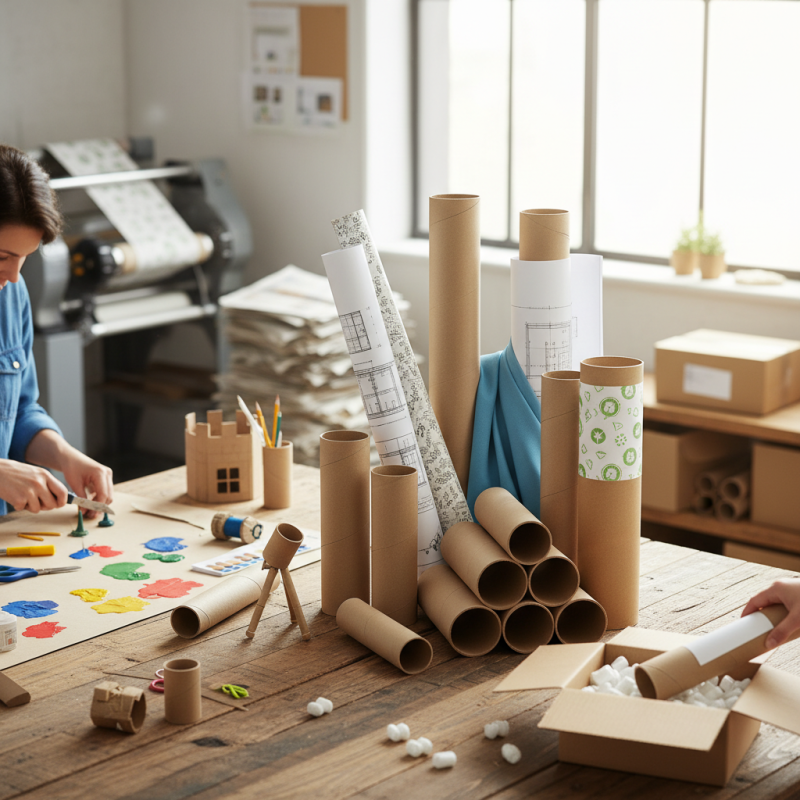
Cardboard tubes might seem like simple waste, but they have transformative potential. They serve various everyday purposes that go beyond their initial use in packaging. For instance, many people repurpose these tubes as art supplies. Imagine children using them to create characters or animals. The creativity unleashed by a mere tube is astonishing.
In gardening, cardboard tubes can act as seed starters. Simply fill them with soil and plant seeds inside. They are biodegradable and can be directly planted in the ground. Not every tube will break down perfectly, though. Sometimes, they may require extra care as they can retain moisture unevenly. It’s a lesson in patience and adaptability.
Moreover, they are excellent for organizing cables at home. Tying up loose cords can be a chaotic task. However, using cardboard tubes allows for a neat, tidy space. But let’s be honest—this method might not work for everyone. It may not be the most secure solution, and tubes might not last long under constant stress. Reflecting on these uses helps us appreciate the simple yet innovative ways we can integrate cardboard tubes into our daily lives.
Innovative Uses of Cardboard Tubes in Everyday Life
Environmental Impact and Sustainability of Cardboard Tubes
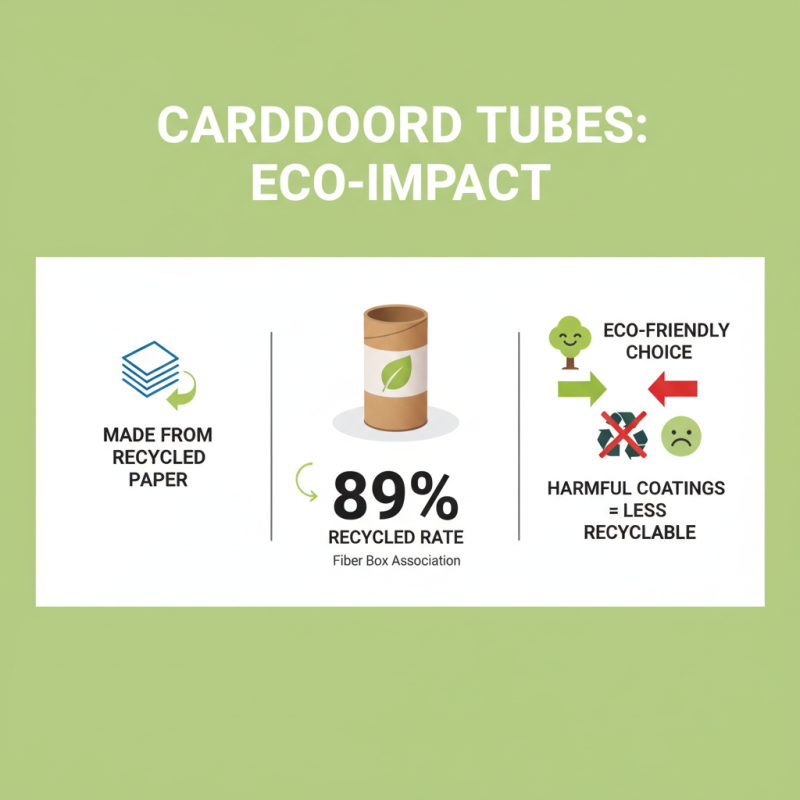
Cardboard tubes, often overlooked, have a significant environmental impact. They are made primarily from recycled paper. According to the Fiber Box Association, the recycling rate for cardboard was approximately 89% in recent years. This high percentage showcases their eco-friendly nature. However, not all cardboard tubes are created equal. Some may contain harmful coatings that reduce recyclability.
In terms of sustainability, cardboard tubes are a renewable resource. The World Wildlife Fund emphasizes the importance of responsible sourcing. Choosing tubes from sustainably sourced paper helps reduce deforestation. However, challenges remain. Not every production process adheres to environmental standards. It’s vital for companies to assess their suppliers carefully. Failure to do so can lead to hidden environmental costs.
Consumers play a crucial role in this sustainability journey. By opting for products in cardboard tubes, they support eco-conscious practices. Yet, education is key. Many people still do not fully understand the impact of their choices. Awareness can drive demand for better products. For instance, comprehensive labeling on packaging can provide clarity. Recognizing the potential downsides is essential for a sustainable future.