Top 10 Cardboard Packaging Tips for Effective Sourcing
In the evolving landscape of packaging, cardboard packaging stands out for its versatility and sustainability. Industry expert Dr. Emily Howard once stated, "Innovative cardboard packaging not only protects products but also enhances brand perception." This insight captures the essence of why businesses should prioritize effective sourcing methods for cardboard packaging.
With the growing demand for eco-friendly solutions, understanding the nuances of cardboard packaging is essential. Many companies are still unaware of the impact that poor sourcing can have on their overall packaging strategy. Selecting the right materials and suppliers is crucial to ensuring durability and cost-effectiveness. It's worth noting that not all cardboard options are created equal; quality varies widely.
Moreover, some brands underestimate the importance of testing materials before making bulk purchases. Failing to evaluate the performance of cardboard packaging can result in waste and customer dissatisfaction. As we delve into the top 10 tips for effective sourcing, it's crucial to remember that informed decisions now can lead to better sustainability and profitability in the future.

Understanding the Importance of Cardboard Packaging in Sourcing
The significance of cardboard packaging in sourcing cannot be overstated. It acts not only as a protective layer but also as a marketing tool. Cardboard is often recyclable and biodegradable, appealing to environmentally conscious consumers. Sustainable practices are becoming crucial, especially as brands strive to minimize their carbon footprint.
When sourcing cardboard packaging, understanding weight and durability is vital. Lightweight packaging could save on shipping costs, but it must still be robust enough to protect products. The balance between cost and quality requires careful consideration. Sometimes, cheaper alternatives can lead to damaged goods, affecting customer satisfaction and trust.
Moreover, cardboard's adaptability enables creative design options. Brands can customize packaging to fit their unique identity. However, this requires knowledge of printing techniques and material properties. Not all designs lead to effective packaging solutions. Learning from past mistakes can be a valuable part of the sourcing journey. Exploring various options fosters innovation but can also lead to overcomplication. Simplifying choices may streamline the process and enhance efficiency.
Top 10 Cardboard Packaging Tips for Effective Sourcing
This chart illustrates the top 10 tips for effective cardboard packaging sourcing based on various factors such as cost efficiency, sustainability, and durability. Each tip is rated on a scale from 1 to 10, showcasing their importance in the sourcing process.
Identifying Sustainable Materials for Cardboard Packaging Solutions
Sourcing sustainable materials for cardboard packaging solutions requires careful consideration. Choosing the right materials can greatly impact the environment. Recycled content is a strong option. It reduces waste and uses fewer resources. Look for suppliers who can provide transparency in their sourcing practices. This builds trust and enhances sustainability.
Biodegradable materials are another avenue worth exploring. They break down naturally, leaving little to no impact on landfills. However, not all biodegradable options are created equal. Some may still contain harmful additives. It’s essential to research thoroughly to ensure they align with your sustainability goals.
Collaboration with experts in sustainable sourcing can aid this process. They can offer insights into the latest trends and innovations. Remember, the journey to sustainability is ongoing. It’s important to remain flexible and willing to adapt. Engaging with your suppliers about sustainable practices can lead to better solutions. This not only enhances your brand image but contributes positively to the environment.
Top 10 Cardboard Packaging Tips for Effective Sourcing
| Tip No. |
Tip Description |
Sustainability Aspect |
Material Type |
| 1 |
Choose recycled cardboard options |
Reduces waste and energy consumption |
Recycled Paper |
| 2 |
Opt for biodegradable coatings |
Decomposes naturally, less environmental impact |
Biodegradable Coatings |
| 3 |
Select FSC certified materials |
Ensures responsible forestry practices |
FSC Certified Cardboard |
| 4 |
Use minimalistic designs to reduce waste |
Less material used, lower carbon footprint |
Standard Cardboard |
| 5 |
Implement reusable packaging solutions |
Encourages reuse, reduces new material demand |
Durable Cardboard |
| 6 |
Consider local sourcing of materials |
Lowers transportation emissions |
Locally Sourced Cardboard |
| 7 |
Explore multi-use packaging designs |
Encourages longevity and reduces waste |
Multi-use Cardboard |
| 8 |
Incorporate organic inks and adhesives |
Safer for the environment and reduces pollutants |
Organic Inks and Adhesives |
| 9 |
Use higher quality materials for durability |
Reduces need for replacement and waste |
High-Quality Cardboard |
| 10 |
Stay informed about new sustainable options |
Adapts to advancing technologies and materials |
Innovative Materials |
Evaluating Cost-Effectiveness in Cardboard Packaging Options
When evaluating cost-effectiveness in cardboard packaging options, it's crucial to consider material quality and sourcing methods. According to a recent report by Smithers Pira, sustainable packaging can lead to a cost reduction of up to 20% in the long run. Companies should focus on lightweight materials that still provide durability. This not only lowers shipping costs but also reduces environmental impact.
One key tip is to leverage local suppliers when sourcing cardboard. Shorter shipping distances can mitigate costs and carbon footprint. Regular evaluations of supplier pricing can uncover hidden savings. Moreover, opt for designs that minimize waste during production. By doing so, manufacturers can maximize the use of materials, leading to lower overall costs.
Another important aspect involves understanding the lifecycle costs of your packaging. Many firms underestimate the total cost of ownership. This includes not only initial procurement but also storage and waste management. A thorough cost analysis can reveal areas for improvement that enhance sustainability and profitability. Thus, taking an analytical approach to sourcing can significantly elevate your packaging strategy.
Implementing Design Considerations for Optimal Cardboard Packaging
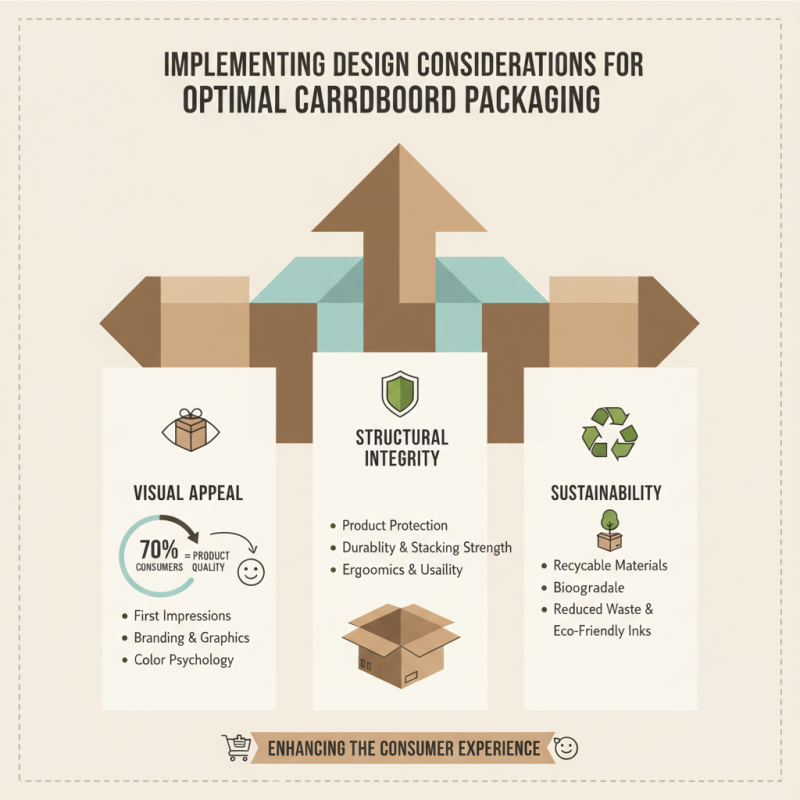
In today's packaging industry, design plays a crucial role in sourcing effective cardboard solutions. Research shows that 70% of consumers associate packaging with product quality. This highlights the importance of using optimal design elements to enhance the consumer experience. Designers must focus on the visual appeal, structural integrity, and sustainability of cardboard packaging.
When conceptualizing packaging, one must consider dimensions, weight, and the protective capabilities of materials. Studies indicate that poor packaging design can lead to a 30% increase in product damage during transit. It’s essential to strike a balance between aesthetics and functionality. Each design element should serve a purpose, whether it’s to protect the product or to attract customers.
Not all designs translate into effective packaging. A common oversight is neglecting the recycling aspect. According to industry reports, 40% of cardboard packaging ends up in landfills. This leads to a call for more sustainable practices in design. Designers should integrate eco-friendly materials and consider end-of-life recyclability in their concepts. Reflecting on current trends, industry professionals must continuously evaluate their approaches to meet evolving sustainability standards.
Establishing Reliable Suppliers for Cardboard Packaging Needs
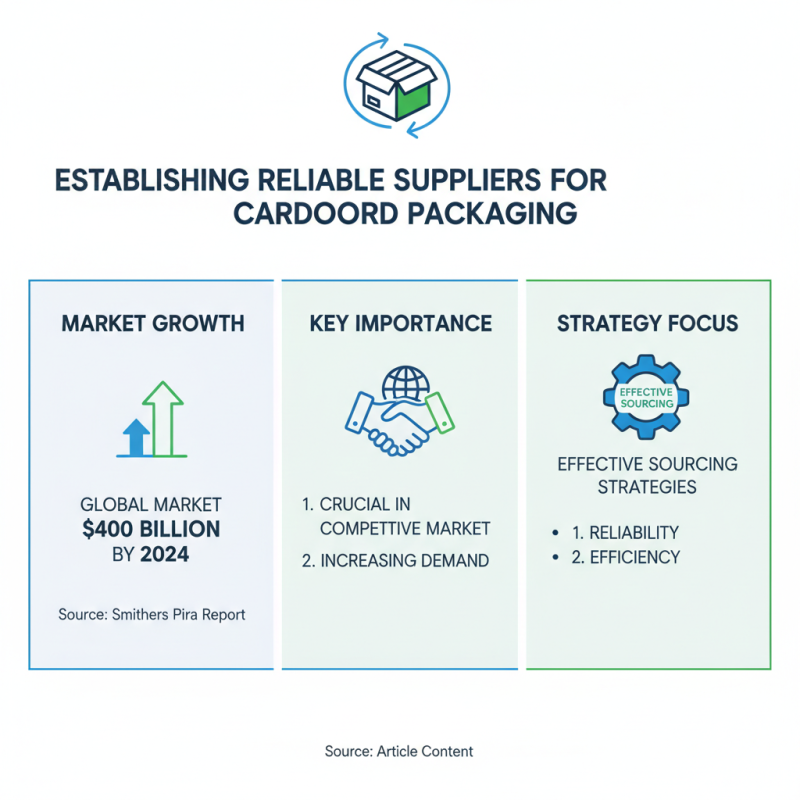
Establishing reliable suppliers for cardboard packaging is crucial in today’s competitive market. According to a report by Smithers Pira, the global cardboard packaging market is expected to reach $400 billion by 2024. This growth highlights the increasing demand for effective sourcing strategies.
Identifying trustworthy suppliers involves more than just price comparison. Quality, delivery time, and sustainability practices are essential factors. A survey from the Packaging Association revealed that 70% of businesses prioritize eco-friendly materials. However, many suppliers may not transparently share their sourcing practices. Evaluating their certifications can help determine their commitment to sustainability.
Additionally, maintaining open communication is vital. Regular conversations can uncover potential issues before they escalate. A study from the National Institute of Standards and Technology found that over 30% of supply chain disruptions arise from miscommunication. Establishing clear expectations and feedback channels can mitigate these risks. Companies should also be prepared to reevaluate selections periodically. An imperfect supplier relationship can lead to delays and increased costs. Regular audits and assessments ensure that suppliers align with evolving business needs.