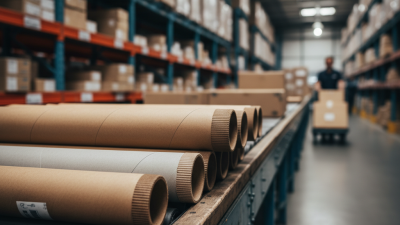
What Are the Best Heavy Duty Mailing Tubes from China?
Choosing the best heavy duty mailing tubes from China requires more than comparing prices. A reliable tube must protect posters, blueprints, artwork, and long documents through handling, stacking, vibration, and changing humidity. In real sourcing work, small details often decide the result. A thick kraft-paper wall, tight spiral winding, and durable end plugs can prevent crushing when cartons are stacked in a warehouse. Still, “heavy duty” is not a universal specification. That label needs evidence.
Dr. Jay Singh, a respected packaging researcher and professor at California Polytechnic State University, has emphasized, “Packaging performance must be measured against the real distribution environment.” This principle is useful when evaluating Chinese manufacturers. Ask for wall thickness, internal diameter, compression strength, moisture resistance, and closure options. Request samples before approving a large order. A tube that feels strong by hand may still fail under repeated compression. It happens.
The best suppliers usually provide clear material details, production photographs, test records, and consistent sample quality. Their teams should explain whether the tube uses recycled kraft paper, virgin fiber, or a blended structure. They should also discuss cap fit, printing durability, and protection for sharp document edges. Factory experience matters, but communication matters too. A delayed answer can become a delayed shipment or an avoidable packaging defect.
This guide examines heavy duty mailing tubes from China through a practical lens. It considers protection, customization, factory reliability, and total purchasing value. No single tube suits every product. That is the part many buyers overlook. The strongest choice is the one matched carefully to the item, route, storage conditions, and handling risks.
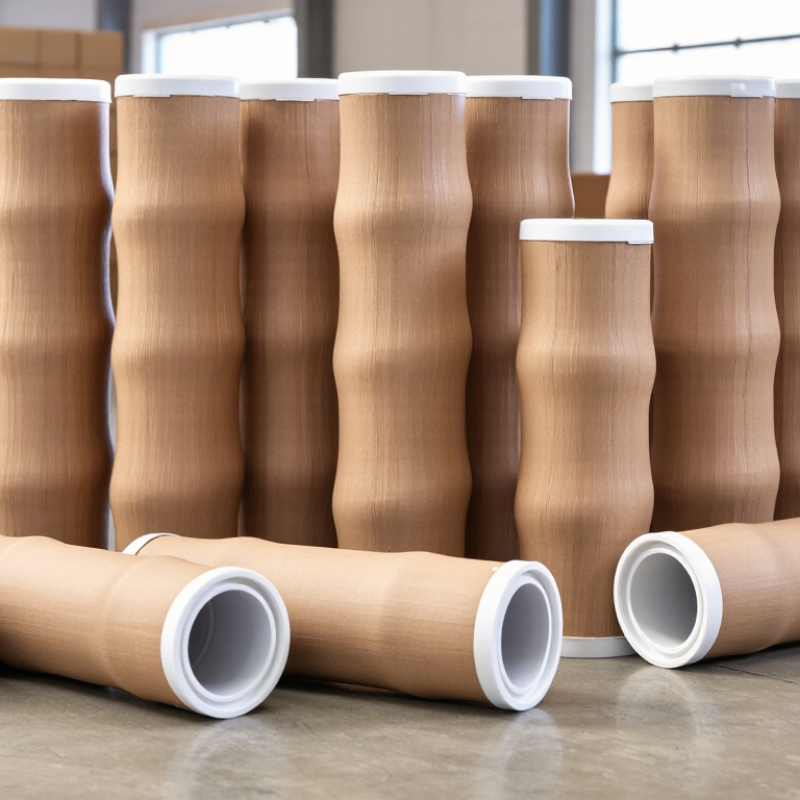
Heavy Duty Mailing Tube Types and Their Core Construction
Heavy duty mailing tubes from China are not defined by wall thickness alone.
Their performance depends on tube type, fiber direction, adhesive quality, and end protection. Spiral-wound tubes use layered kraft paper wrapped around a mandrel. They offer good compression strength and consistent dimensions. Convolute-wound tubes wrap paper in parallel layers, creating a smoother inner surface. This design often suits posters, drawings, and rigid documents.
The core construction deserves close inspection. A reliable tube usually contains several dense paper plies, bonded with moisture-resistant adhesive. Recycled kraft can reduce cost, but uneven fibers may weaken the core. Virgin kraft generally provides better stiffness and cleaner edges.
I once assumed a thicker wall was always safer. That assumption was too simple. A poorly bonded tube can split under pressure, even when its diameter looks substantial.
For heavier products, compare wall thickness, internal diameter, tube length, and compression ratings together. A strong kraft plug should fit tightly without crushing the rim. Plastic or metal end caps can improve closure security, but they may increase shipping weight. Ask suppliers for edge-crush tests, stacking tests, and sample approval before placing a large order. Check whether the tube remains rigid after exposure to humidity. This detail is easy to overlook. Small dents from warehouse handling can become serious fractures during transport. Clear specifications, production photos, and repeatable testing make sourcing more dependable, although no sample can predict every shipping condition.
Key Materials Used in Durable Mailing Tubes from China
What Are the Best Heavy Duty Mailing Tubes from China?
Key Materials Used in Durable Mailing Tubes from China
Heavy duty mailing tubes usually begin with spiral-wound kraft paperboard. Several paper layers are wrapped around a mandrel, creating a rigid cylindrical wall. The outer kraft layer resists scuffing, while the inner layers provide compression strength. Recycled fiber can reduce environmental impact, but excessive recycled content may weaken the tube after humidity exposure. That trade-off needs testing.
Adhesive quality matters more than many buyers expect. Water-based adhesives are common, while moisture-resistant formulations help maintain bonding during ocean transport. Some manufacturers add a thin polyethylene or paper barrier, especially for humid routes. Metal or molded fiber end caps also improve closure strength. Plastic caps protect better, but fiber caps support easier paper recycling.
The U.S. EPA reported that paper and paperboard packaging achieved roughly a 69% recycling rate in 2018. This supports using recyclable paper structures where performance allows. Smithers’ paper-based packaging market analysis also identifies lightweighting and recycled content as continuing industry priorities. However, lighter is not always stronger. A tube with a 3-millimeter wall may fail under stacked parcels if its spiral angle or adhesive cure is poor. Practical suppliers should verify edge crush, compression, drop resistance, and humidity performance under ASTM D4169 or equivalent testing. Ask for test records, not only material descriptions.
What Are the Best Heavy Duty Mailing Tubes from China?
Typical wall thickness of durable mailing-tube constructions by key material
Spiral-wound kraft paper tubes provide a strong balance of rigidity, low weight, and recyclability. Corrugated paperboard constructions generally offer greater cushioning, while plastic tubes can use thinner walls but are less aligned with paper-based recycling systems. Actual specifications vary by tube diameter, winding method, end-cap design, and required shipping protection.
How to Evaluate Strength, Size, and Protection Features
What Are the Best Heavy Duty Mailing Tubes from China?
How to Evaluate Strength, Size, and Protection Features
A heavy duty mailing tube should resist crushing before it reaches the customer. I check the wall thickness, paper layers, and spiral winding quality. More layers usually improve rigidity, but thickness alone can mislead. A poorly bonded tube may split near the seam. Press the center gently and inspect whether it springs back without permanent dents. Request compression test results from the supplier, preferably with sample conditions clearly recorded. In my experience, a tube that survives a warehouse stack may still fail during careless handling. That distinction matters.
Measure the product, not just the tube length. The internal diameter should leave limited movement around posters, drawings, or rolled documents. Excess space allows shifting and damaged edges. Consider telescoping lengths for oversized contents, but check whether the joint weakens the package. End caps should fit tightly and resist popping out when the tube lands on a hard floor. Plastic caps provide practical moisture resistance, while reinforced paper caps may reduce waste. Neither option is perfect. I once overlooked cap friction and found that a strong tube still offered poor protection. Add cushioning only when the contents need it, because loose filler can create pressure points. Ask for drop-test samples, humidity exposure details, and consistent measurements before placing a large order. Review each sample under realistic packing conditions.
Custom Printing, Closures, and Packaging Options
When sourcing heavy-duty mailing tubes from China, I examine printing, closures, and packaging as one system. A strong tube can still arrive scuffed or open. In trial shipments, thick kraft or spiral-wound walls handled posters, drawings, and rolled plans well. Wall thickness should match the contents, not simply look impressive. Custom printing works best when ink remains sharp on curved surfaces. Request a physical pre-production sample. Digital proofs can hide distortion near the seam.
For branding, suppliers can print logos, handling marks, sizes, or recycling guidance. I prefer clear contrast and restrained coverage. Heavy ink coverage may increase cost or affect drying time. Ask whether printing is flexographic, offset, or digital, because each suits different order volumes. Closures deserve equal attention. Plastic end caps offer quick fitting, while metal ends provide a firmer impression. Push-in caps are practical, but loose tolerances can cause failures during vibration. Test both ends after repeated opening.
Packaging choices protect the tubes before the customer sees them. Bundled cartons reduce movement, while corner protection limits crushed edges. For long-distance freight, moisture-resistant wrapping is useful, especially on humid routes. Yet excessive packaging adds volume and freight expense. This is where I still reconsider specifications. A stronger box is not always better. Ask for drop, compression, and humidity testing, with results recorded by batch. Confirm inner diameter, usable length, closure fit, print color, and carton quantity before production. Small mismatches become expensive after shipment.
How to Select a Reliable Chinese Mailing Tube Manufacturer
Choosing heavy-duty mailing tubes from China starts with the manufacturer, not the product photo. Pitney Bowes reported 161.8 billion parcels worldwide in 2022, increasing pressure on packaging performance and delivery consistency. Ask factories for tube diameter, wall thickness, paper grade, core strength, and tested weight limits. A dependable supplier should provide recent crush-test records, moisture-control procedures, and batch traceability. Request samples before discussing large orders.
Factory verification matters. Check production equipment, inspection staff, storage conditions, and subcontracting practices through a video audit or independent inspection. The 2023 ISO Survey recorded more than 1.2 million ISO 9001 certificates worldwide, but certification alone does not prove strong tube quality. Review the certificate scope and confirm its validity. Also compare material declarations and recycling information. Recycled paper may reduce environmental impact, yet weak fibers can fail in humid warehouses.
Look for clear answers.
A reliable manufacturer should explain tolerance limits, adhesive selection, cap fit, and replacement procedures without vague promises. Request a pilot shipment using your actual label size and packing method. Measure dents, crushed edges, and cap separation after transport. One mistake is trusting a perfect sample too quickly. Real production can vary. I would also challenge unusually low prices; they may reflect thinner walls, cheaper cores, or unreported outsourcing. Pricing is not proof of quality, but unexplained savings deserve investigation.
What Are the Best Heavy Duty Mailing Tubes from China? - How to Select a Reliable Chinese Mailing Tube Manufacturer
| Evaluation Dimension | Recommended Heavy-Duty Specification | Why It Matters | What to Verify with the Manufacturer |
|---|---|---|---|
| Tube Material | Multi-ply kraft paperboard made from recycled fiber or virgin kraft paper | Multiple paper layers improve compression strength and resistance to bending during transport. | Request the paper grade, number of plies, fiber composition, and technical data sheet. |
| Wall Thickness | Approximately 1.5–3.0 mm for standard heavy-duty mailing applications | A thicker wall generally provides better crush resistance, especially for long documents, posters, and drawings. | Confirm thickness tolerance and test samples from different production batches. |
| Common Diameter Range | 50–100 mm internal diameter for many document and poster shipments | The correct diameter prevents excessive movement while leaving enough space for rolled materials. | Check internal diameter, external diameter, and dimensional tolerance. |
| Available Length | Approximately 300–1,200 mm, with custom cutting available for larger orders | Suitable length reduces folding, creasing, and wasted internal space. | Ask for maximum production length, cutting accuracy, and custom-size capability. |
| End-Cap Security | Tight-fit plastic, metal, or reinforced paper end caps; optional locking or tamper-evident design | Secure caps help prevent contents from sliding out and protect against dust and handling damage. | Test cap retention, fit consistency, opening force, and performance after vibration. |
| Surface Protection | Kraft exterior with optional water-resistant coating, film wrap, or printed surface | Paperboard can weaken when exposed to moisture, so surface protection is important for international shipping. | Request moisture-resistance test results and confirm whether coatings affect recyclability. |
| Load and Compression Testing | Documented compression, drop, vibration, or edge-crush testing based on the intended shipment | Actual test data is more useful than a general claim that a tube is “heavy duty.” | Ask for test methods, sample size, test conditions, acceptance criteria, and reports. |
| Manufacturing Consistency | Stable dimensions, smooth spiral winding, even adhesive bonding, and clean cut edges | Consistent construction reduces jams in packing operations and lowers damage and return rates. | Inspect pre-production samples, production samples, inspection records, and quality-control procedures. |
| Customization Capability | Custom diameter, length, wall thickness, end caps, color, printing, and packaging | Customization allows the tube to match the product size, packing process, and shipping requirements. | Confirm tooling charges, minimum order quantity, artwork requirements, and sample lead time. |
| Packaging for Export | Bundled or carton-packed tubes with corner protection and moisture protection when required | Proper export packaging reduces deformation, contamination, and moisture damage during storage and transit. | Review packing photos, carton specifications, pallet configuration, and container loading plans. |
| Sustainability Information | Recyclable paperboard construction with responsibly sourced fiber documentation where applicable | Clear material information supports recycling requirements and customer sustainability policies. | Request fiber-source documents, coating details, recycled-content percentage, and disposal guidance. |
| Supplier Reliability | Clear quotation, traceable samples, defined production schedule, and documented pre-shipment inspection | Transparent communication and repeatable processes are strong indicators of dependable long-term supply. | Check business registration, factory location, production capacity, references, payment terms, and corrective-action process. |
Selection principle: Choose the supplier that can provide repeatable test results, consistent samples, suitable export packaging, and clear quality documentation—not only the lowest quotation.
Related Posts
-
Top Heavy Duty Mailing Tubes for Secure Shipping and Storage Solutions
-

Why Tube Mailing Boxes Are Revolutionizing Eco-Friendly Shipping Solutions
-
Revolutionizing Packaging: The Ultimate Guide to Mailing Tubes and Their Diverse Applications
-

Unlocking Creative Packaging: Why A0 Postal Tubes Are Essential for Art and Print Professionals
-
Top 10 Postal Tubes for Safe and Secure Shipping in 2023
-
Top 10 Tips for Choosing the Best Mailing Tubes for Your Shipping Needs