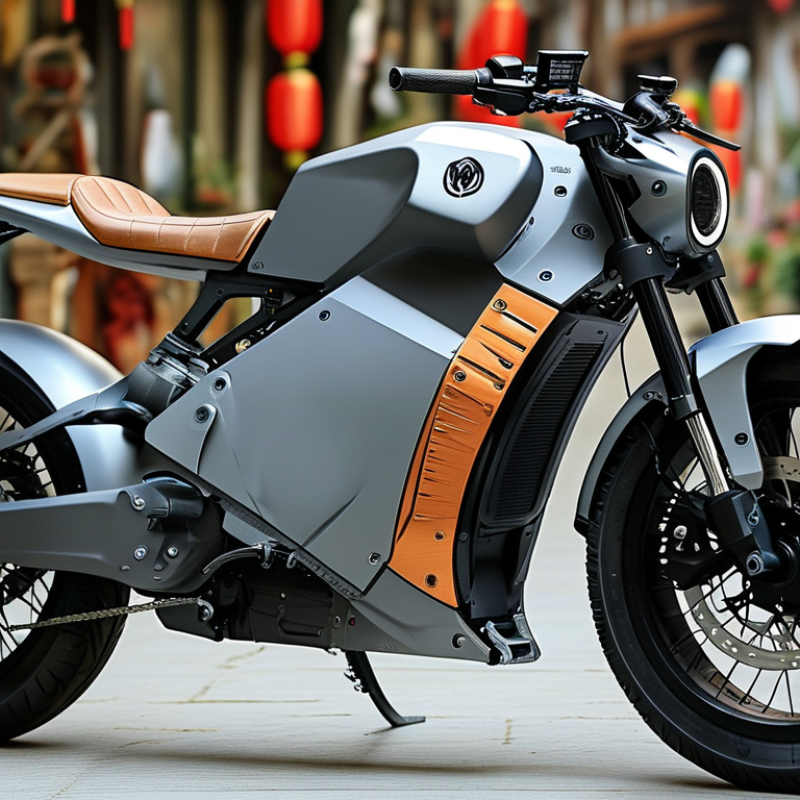
Best E Bike Motors from China for Global Buyers?
As the demand for e-bikes continues to surge globally, the choice of E Bike Motor China becomes crucial for buyers. The Chinese market offers a variety of motors that cater to different needs. However, not all motors are created equal.
Many international buyers are drawn to the competitive pricing and advanced technology found in Chinese e-bike motors. This attractiveness brings a mix of reliability and innovation. Yet, navigating this market can be tricky. It requires an understanding of specific needs and quality standards.
Potential buyers should assess various factors before making a decision. Quality assurance and performance are vital. Reviews and expert opinions can provide insights. Reflecting on past experiences can also reveal the nuances of motor selection. With thoughtful consideration, buyers can find a suitable E Bike Motor China that aligns with their requirements.
Overview of E Bike Motors in the Global Market
The global e-bike motor market has experienced rapid growth. As urban environments prioritize sustainable transportation, e-bikes have emerged as a popular alternative. E-bike motors are now available in various configurations. This diversity caters to different riding styles and terrains. Both hub and mid-drive motors have their own advantages. Hub motors offer simplicity, while mid-drives provide better weight distribution and efficiency.
China remains a key player in this market. The country produces a wide range of motors that appeal to various buyers. Quality can vary, making it crucial for global buyers to assess their choices carefully. Many manufacturers provide comprehensive specifications. However, potential buyers should also consider the warranty and support offered. Motors that promise high torque for hilly areas might not be ideal for flat terrains. This mismatch can lead to decreased performance and rider dissatisfaction.
Understanding the compatibility of various motor types with bike frames is essential. Some motors may not fit all e-bike designs, leading to installation challenges. It's beneficial for buyers to do their research and consult with experts. Additionally, evaluating user reviews can reveal insights into real-world performance. This way, buyers can make informed decisions that meet their riding needs.
Key Specifications for High-Performance E Bike Motors
When considering e-bike motors, several key specifications stand out. Power output is essential. Most high-performance motors range from 250W to 750W. This range ensures adequate support for varying terrains and riding styles. Torque, which affects acceleration and climbing ability, is also crucial. Top-performing motors exhibit torque levels of 40 to 90 Nm. This feature dramatically influences rider experience, especially on steep slopes.
Efficiency is another vital specification. Research indicates that the best motors provide over 80% efficiency, even under full load. This efficiency translates to longer battery life and improved range. Additionally, the weight of the motor can impact the overall e-bike performance. High-quality motors typically weigh between 2 to 5 kg. Lighter motors enhance maneuverability but may sacrifice power.
Another area requiring reflection is the integration of smart technology. Many emerging motors now include connectivity features, offering performance tracking and diagnostics. Such advancements could lead to better maintenance and prolonged use. However, the dependence on technology may introduce potential vulnerabilities. Balancing innovation with practicality remains a challenge in the evolving market of e-bike motors.
Top Chinese Manufacturers of E Bike Motors
China has established itself as a leader in the e-bike motor industry. Several prominent manufacturers are driving this growth. In 2022, the global electric bike market was valued at approximately $24.4 billion, with a significant share held by Chinese producers. These manufacturers excel in engineering high-performance motors that cater to diverse consumer needs.
Companies focus on developing lightweight, efficient motors that enhance overall bike performance. Many motors feature brushless designs, which contribute to longer lifespans and reduced maintenance. Notably, the average efficiency rate for e-bike motors from China can reach up to 85%, significantly impacting energy consumption and ride quality. However, some manufacturers still grapple with quality control, which can lead to inconsistencies in performance.
As the demand for e-bikes grows, sustainability remains a concern. The industry must address environmental impacts, especially regarding battery production and disposal. Some players are now exploring eco-friendly materials, aligning with global trends toward green technology. Yet, challenges persist. Balancing cost and quality is essential for future success. More manufacturers need to invest in R&D to innovate and improve their offerings.
Comparison of Motor Types: Hub vs. Mid-drive
When considering e-bike motors, a key distinction arises between hub and mid-drive motors. Hub motors are often appreciated for their simplicity and lower maintenance. They are located within the wheel hub, which allows for a quieter ride. This setup provides a smooth acceleration and an easy installation process. According to a 2022 industry report, hub motors make up approximately 60% of the global e-bike motor market.
On the other hand, mid-drive motors offer a distinct advantage in terms of weight distribution and climbing ability. They sit near the bike's center of gravity, which enhances stability during rides. Mid-drive systems also provide efficient power transfer through the bike's gears, making them ideal for varied terrains. A recent survey indicated that 75% of cycling enthusiasts prefer mid-drive motors for off-road and hilly conditions, reflecting their growing popularity.
However, both motor types come with trade-offs. Hub motors may struggle with steep inclines, while mid-drive motors can lead to increased wear on the bike’s chain and gears. Furthermore, mid-drive motors are generally more expensive due to their complexity. The decision between these two motor types should consider personal riding preferences, maintenance capabilities, and budget constraints.
Comparison of Hub vs. Mid-drive E-Bike Motors
Future Trends in E Bike Motor Technology from China
The e-bike motor industry in China is experiencing significant growth. New technologies are emerging, reshaping how we think about personal mobility. One notable trend is the development of lightweight, high-efficiency motors. These motors enhance battery life and overall performance. The integration of smart technology is another key trend, allowing riders to connect their e-bikes to mobile apps for real-time data.
Tips: When choosing a motor, consider the weight-to-power ratio. A lighter motor can improve the riding experience. Also, think about compatibility with local regulations, as e-bike laws differ worldwide.
Battery technology is evolving as well. New lithium-ion batteries are more efficient and durable. Some manufacturers are even exploring solid-state batteries, which promise to be safer and longer-lasting. While these advancements are exciting, they also raise questions about sustainability. Production processes must minimize environmental impact.
As global buyers, it's crucial to evaluate the reputation of suppliers. Look for manufacturers with certifications and positive reviews. Avoid impulsive decisions; thorough research can lead to better choices.