2026 Top Trends in Cardboard Packaging What to Expect?
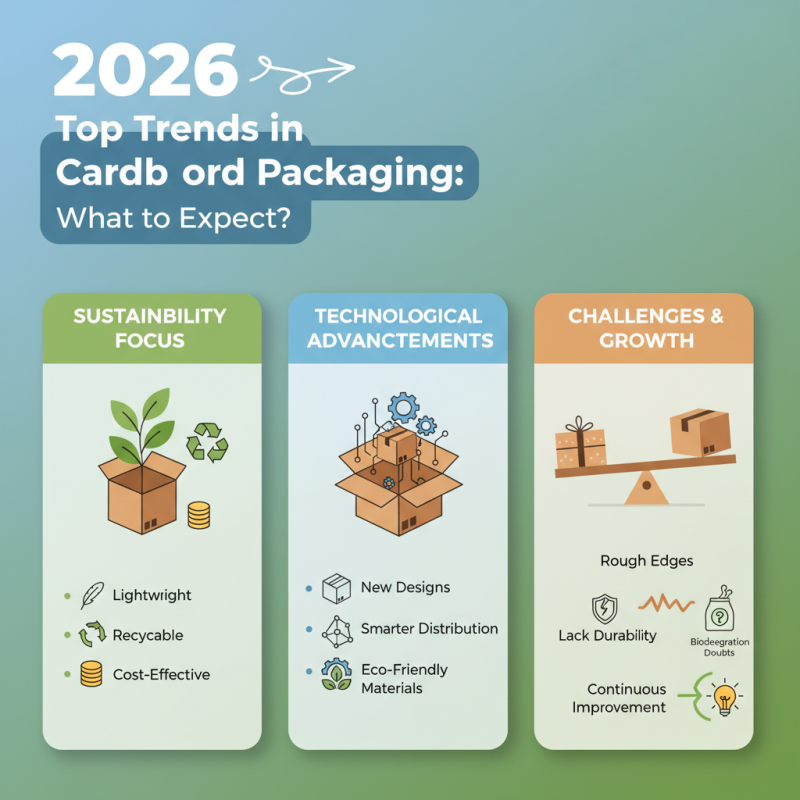
In the ever-evolving world of cardboard packaging, trends are shifting rapidly. According to John Smith, a leading expert in sustainable packaging, "Innovation in cardboard packaging is pivotal for the future." As brands focus on sustainability, cardboard packaging is becoming the preferred choice. It is lightweight, recyclable, and cost-effective.
The year 2026 promises exciting developments in this sector. The incorporation of advanced technology will redefine how we perceive cardboard packaging. Companies are exploring new designs, smarter distributions, and eco-friendly materials. However, challenges remain. Many brands struggle to balance aesthetics with functionality.
Amidst this growth, there are rough edges. Not all cardboard packaging solutions are created equal. Some lack durability. Others may not biodegrade as promised. Brands need to reflect on these shortcomings. Embracing change in cardboard packaging requires a commitment to continuous improvement. The path ahead is filled with both opportunities and pitfalls.
Overview of Current Trends in Cardboard Packaging for 2026
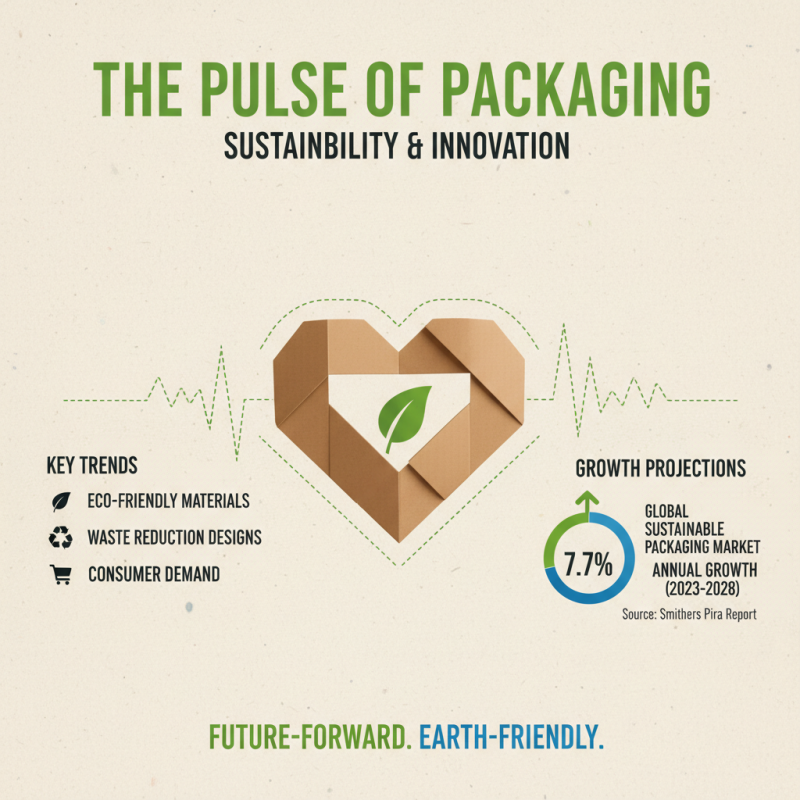
As we look toward 2026, cardboard packaging will evolve significantly. According to recent studies by Smithers Pira, the global market for sustainable packaging is expected to reach $500 billion by 2026. This shift drives innovations in materials and design. Eco-friendliness is a pressing concern for consumers. Reports indicate that 70% of consumers prefer sustainable packaging, pushing brands to adapt.
Minimalist designs are on the rise. In 2026, brands will likely utilize simpler graphics and eco-friendly inks. This approach reduces costs and minimizes waste. However, some companies may struggle to balance aesthetics and sustainability. Stripping down packaging could lead to miscommunication about product values.
Increased automation in production is another key trend. Improved technology can streamline processes, enhancing efficiency. Yet, over-reliance on automation may overlook the craftsmanship in packaging design. Brands should maintain a human touch while adopting new technologies. This balance will define successful strategies in the cardboard packaging landscape of 2026.
Technological Advancements Impacting Cardboard Packaging Production
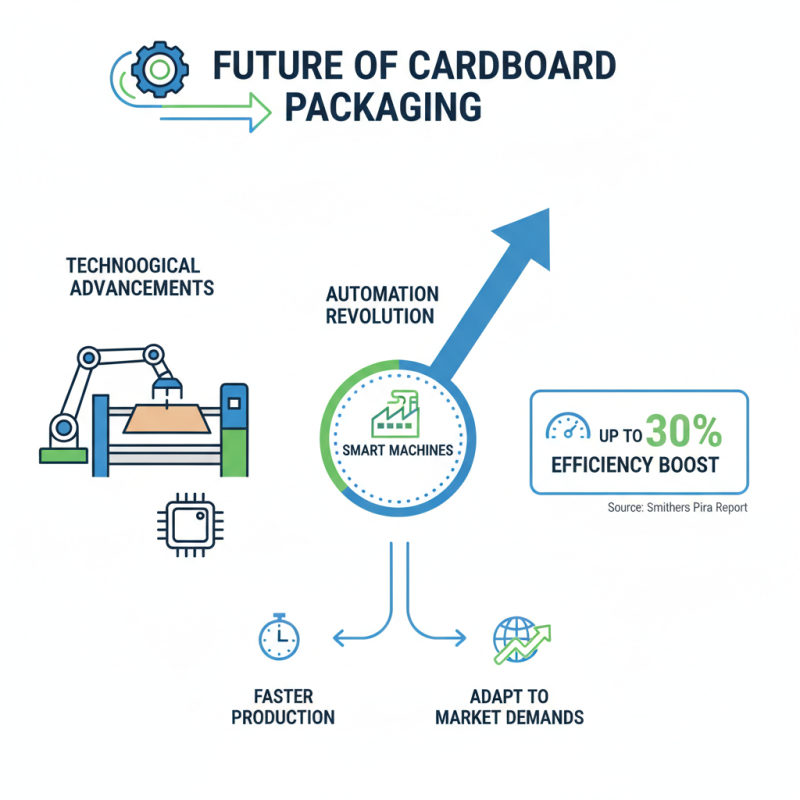
The cardboard packaging industry is undergoing significant changes due to technological advancements. Automation plays a key role. For instance, smart machines are revolutionizing the manufacturing process. A report by Smithers Pira indicates that automation can improve efficiency by up to 30%. This shift allows companies to respond faster to market demands.
Sustainability remains a pressing concern. Innovations in biodegradable materials and eco-friendly inks are gaining traction. The use of water-based inks is increasing, with a study showing a 40% rise in adoption rates among manufacturers. However, not all companies are making the shift swiftly. Many still rely on conventional methods, raising questions about long-term sustainability.
Digital printing technology is reshaping customization in packaging. This allows for limited runs and personalized designs. Data shows that 70% of consumers prefer packaging that stands out. Yet, the cost of implementing digital printing can be a hurdle for small businesses. Balancing innovation with budget constraints remains a challenge in the industry.
Consumer Preferences Shaping the Future of Cardboard Packaging
Consumer preferences are rapidly changing the landscape of cardboard packaging.
Sustainability is at the forefront. Many shoppers now demand eco-friendly materials. They want packaging that reduces waste and uses recycled components.
This shift influences how companies design their products. Innovative designs are emerging to meet these expectations.
Sleek and minimalistic packaging attracts attention, but can it be effective?
Additionally, convenience remains vital for consumers. Easy-to-open designs are a big draw.
Packaging that enhances user experience is essential. People appreciate when packaging serves more than one purpose.
For instance, reusable cardboard boxes can extend the packaging lifecycle. However, this creates challenges.
Balancing aesthetic appeal with practicality isn't always easy.
As consumer preferences evolve, brand loyalty is increasingly tied to values.
Companies must engage with their audience more deeply. Understanding customer needs can drive innovative solutions.
Yet, brands sometimes miss the mark. They might prioritize trends over genuine consumer desires.
This disconnect can lead to wasted resources. Reflection on these choices will be crucial for future success in the packaging industry.
Regulatory Changes Affecting Cardboard Packaging Practices in 2026
In 2026, regulatory changes will significantly impact cardboard packaging practices. The industry is moving towards stricter sustainability standards. According to a 2022 report from the Environmental Packaging Coalition, 73% of consumers prefer products with eco-friendly packaging. This trend urges companies to adapt quickly.
New regulations may enforce stricter recycling guidelines. For example, the guidelines could require manufacturers to use a minimum of 80% recyclable materials in their packaging. Such shifts could burden smaller companies, leading to higher operational costs. In a recent survey, 40% of small businesses expressed concern over these transitioning requirements. Adopting new materials and processes might not be feasible for everyone.
Moreover, transparent labeling will likely gain emphasis. Consumers demand to know the product's origins and environmental impact. Some reports indicate that almost 68% of buyers are willing to pay more for sustainably packaged items. Companies need to ensure compliance while catering to this growing market segment. The path forward appears both challenging and necessary for industry resilience.
2026 Top Trends in Cardboard Packaging - Regulatory Changes Affecting Cardboard Packaging Practices in 2026
| Trend |
Description |
Impact |
Regulatory Focus |
Sustainability Score (1-10) |
| Increased Recycling |
Emphasis on recycling initiatives and reducing waste. |
Promotes a circular economy model. |
Stricter regulations on recyclable materials. |
9 |
| Eco-friendly Inks |
Use of biodegradable and non-toxic inks in packaging. |
Reduces environmental impact. |
Regulations on chemical usage in manufacturing. |
8 |
| Smart Packaging |
Integration of technology for tracking and authentication. |
Enhances consumer safety and supply chain transparency. |
Data privacy regulations on consumer information. |
7 |
| Minimalist Design |
Trends towards simpler packaging designs. |
Reduces material usage and enhances aesthetics. |
Guidelines on misleading packaging. |
7 |
| Plant-Based Materials |
Utilization of biodegradable alternatives derived from plants. |
Promotes sustainability in packaging. |
Regulatory support for bioplastics. |
10 |