
2026 Top Hamper Gift Box Types for Global Buyers

For global buyers, a Hamper Gift Box is more than a container filled with attractive products. It is a complete gifting experience, shaped by presentation, product quality, shipping needs, and local preferences. In 2026, buyers are expected to compare reusable hampers, premium rigid boxes, festive baskets, wellness sets, and corporate gift designs with greater care. Each type serves a different purpose.

A practical buyer may inspect the box before reviewing the contents. Can it protect glass jars during transport? Does the handle feel secure? Will the packaging fit regional recycling systems? These details influence customer trust. From supplier discussions and packaging evaluations, material strength, accurate product information, and consistent finishing remain essential. Kraft paper can create a natural impression. Rigid board offers a more refined appearance. Fabric or woven packaging may encourage reuse.

However, no single hamper design suits every market. A luxurious box may impress customers but increase storage and freight costs. A compact set may travel efficiently but feel less generous. That trade-off deserves honest attention. Buyers should also confirm labeling, food-contact suitability, origin details, and import requirements with qualified local advisers. Rules can differ between countries and product categories.

This guide explores the leading Hamper Gift Box types for global buyers in 2026. It considers design appeal, practical performance, customization, sustainability, and commercial value. Some recommendations may need adjustment. Market research remains necessary. Expect variation.
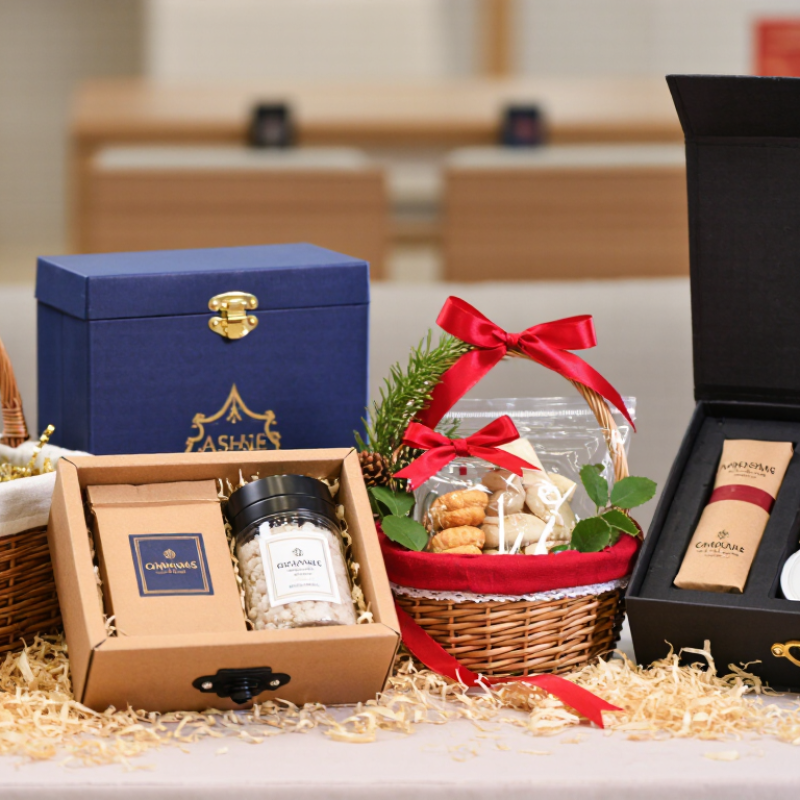
2026 Top Hamper Gift Box Types for Global Buyers

What Hamper Gift Boxes Are and Why They Matter in Global Gifting

Hamper gift boxes are curated collections of useful or enjoyable items, arranged inside one presentation box. They combine product selection, packaging, and delivery convenience. Unlike a single product, a hamper creates several small moments of discovery. For global buyers, it can support employee recognition, seasonal gifting, client relationships, and family celebrations. The box itself matters. It protects the contents and shapes the recipient’s first impression.

Common types include gourmet food hampers, wellness sets, seasonal assortments, and corporate welcome boxes. Food hampers may contain shelf-stable snacks, preserves, tea, or coffee. Wellness designs often use soaps, towels, journals, and calming home accessories. Corporate sets can support onboarding, events, or long-distance appreciation. From my packaging reviews, buyers value clear item lists and sturdy inner protection. Those details reduce breakage and help recipients understand the gift quickly. However, global orders need closer checks. Ingredients, allergens, materials, labeling, import rules, and delivery temperatures can vary by destination. A professional supplier should provide specifications, packaging dimensions, production timelines, and evidence of quality checks.

Hamper boxes matter because they communicate care through selection, presentation, and convenience. They can make a remote relationship feel more personal. They also help companies express values such as practicality or lower-waste packaging. Still, the format is not perfect. Oversized boxes may impress briefly but create unnecessary waste. Some decorative fillers look premium and perform poorly during transit. I have learned that attractive styling cannot replace reliable packing tests. Buyers should question their own assumptions, too. A luxury appearance may not suit every culture, budget, or recipient. That tension makes hamper design more thoughtful, and sometimes more honest.

2026 Top Hamper Gift Box Types for Global Buyers

What hamper gift boxes are and why they matter in global gifting

Hamper gift boxes combine multiple products in one presentation-ready package. The chart compares representative internal capacities calculated from common commercial box formats. Larger capacities suit food assortments and corporate gifts, while compact formats are useful for premium samples, personal gifting, and cross-border shipping.

Capacity is calculated as length × width × height using representative dimensions in centimetres; actual sizes vary by supplier, product mix, and destination-market requirements.

The Main Types of Hamper Gift Boxes for Different Occasions

Hamper gift boxes serve different purposes, so global buyers should match the contents with the occasion. Corporate hampers often include coffee, tea, biscuits, notebooks, or practical desk items. They should look polished without feeling overly promotional. Holiday hampers usually combine seasonal foods, candles, ornaments, and reusable packaging. Local customs matter here. A design that feels festive in one market may seem unfamiliar elsewhere.

Wedding and anniversary hampers benefit from elegant treats, glassware, scented products, or personalized cards. Baby celebration boxes need softer colors, gentle fabrics, and age-appropriate items. Avoid products with unclear materials or care instructions. Wellness hampers may contain herbal tea, bath accessories, sleep masks, and simple self-care products. Claims should remain modest and clearly supported. Comfort matters more than dramatic promises.

For food-focused occasions, gourmet hampers can feature preserves, dried fruit, chocolate, crackers, and regional specialties. Buyers should check ingredient lists, allergen statements, shelf life, and import requirements before ordering internationally. I have seen attractive hampers lose value because fragile jars arrived damaged. Packaging engineering deserves attention. Not every large box feels generous. Compact, well-arranged contents can feel more thoughtful and reduce shipping waste. Seasonal availability can also change the final assortment, so product images should not promise details that suppliers cannot guarantee. Experiences differ across regions, and that deserves honest review.

How to Match Hamper Contents With Regional Buyer Preferences

2026 Top Hamper Gift Box Types for Global Buyers

How to Match Hamper Contents With Regional Buyer Preferences

A successful hamper begins with the recipient’s daily habits, not the supplier’s favorite products. Regional research should guide every selection.

In North America, buyers often value generous variety, easy opening, and convenient snack sizes. Include roasted nuts, premium biscuits, dried fruit, coffee, and shelf-stable treats. In many European markets, recyclable packaging and clear allergen information strongly influence purchase decisions. Smaller portions and refined flavors may feel more suitable. However, preferences can differ between countries and even cities.

For Gulf markets, choose halal-compliant foods, dates, nuts, tea, and elegant non-alcoholic beverages. Avoid unclear ingredients and provide trustworthy certification details. In East Asian markets, carefully arranged packaging, tea, low-sugar snacks, and seasonal presentation often attract attention. Australia may favor practical hampers with local-style snacks, wellness items, and minimal packaging. Check import rules and shelf-life requirements before confirming contents.

Testing matters. Ask local distributors to review sample boxes and label translations. A beautiful box can still fail if it contains unwanted flavors or oversized portions. We once assumed premium meant richer sweetness, but buyer feedback suggested lighter flavors instead. That mistake was useful. Preferences shift, and broad regional assumptions need regular review. Reliable hampers combine cultural awareness, verified ingredients, secure packing, and honest product descriptions.

Packaging, Customization, and Branding Options for Global Markets

Top hamper gift boxes for global buyers now balance presentation, protection, and responsible material choices. Rigid paperboard boxes create a premium opening experience, while corrugated mailer boxes reduce shipping weight and storage space. Magnetic closures feel refined, but recyclable ribbon ties may simplify recovery. Small details matter.

Customization should begin with the destination market, not only the artwork. Select moisture-resistant coatings for humid routes and reinforced corners for long-distance handling. Add removable sleeves, molded paper inserts, or adjustable compartments for bottles, snacks, and personal-care items. Digital printing supports smaller batches and seasonal artwork. It also reduces the risk of excess inventory.

According to McKinsey’s 2023 global packaging survey, 60–70% of consumers may pay more for sustainable packaging. PwC’s Voice of the Consumer Survey 2024 found that 46% of consumers are buying more sustainable products.

Branding works best when it remains useful. Print preparation instructions, origin details, recycling guidance, and a scannable traceability code inside the lid. Use consistent color systems across markets, but check contrast and language readability locally.

Smithers’ Future of Sustainable Packaging to 2028 identifies recyclability, material reduction, and supply-chain efficiency as major market priorities.

A rigid box can look premium, yet it may travel badly. We still overvalue appearance. Prototype filled hampers, drop-test them, and measure cubic volume before approving production. Avoid unnecessary foam, mixed laminates, and permanent decorative parts that complicate recycling.

Key Buying Criteria for Quality, Compliance, and International Delivery

For 2026, global buyers are choosing hamper gift boxes that balance presentation, product safety, and delivery performance. Popular options include food hampers, wellness sets, seasonal assortments, and customizable corporate boxes. The box should suit its contents. A rigid paperboard box protects jars and bottles, while a lightweight folding box can reduce shipping costs. Small details matter. Check the handle, lid strength, inner dividers, and surface finish before approving large quantities.

Quality begins with traceable materials and consistent assembly. Ask suppliers for material specifications, production samples, and inspection records. Food-contact packaging may require different documentation from boxes containing cosmetics or household items. Labels should show ingredients, allergens, quantities, care information, and origin where applicable. Translations must be accurate for each destination market. A beautiful box with incomplete information can face delays or rejection.

International delivery needs practical testing, not only attractive photographs. Pack a sample as it will travel, then test vibration, stacking pressure, moisture, and temperature changes. Measure the final carton carefully, because dimensional weight can alter freight costs. Confirm export documents, customs descriptions, pallet requirements, and delivery responsibilities in writing. I still see teams overlook the last-mile climate. That mistake is expensive. No checklist is perfect, so review weak points after every shipment and adjust the packaging before the next production run.

2026 Top Hamper Gift Box Types for Global Buyers - Key Buying Criteria for Quality, Compliance, and International Delivery

Hamper Gift Box Type Typical Product Mix Recommended Box Structure Key Quality Criteria Main Compliance Requirements International Delivery Considerations Typical Planning Profile
Gourmet Food Hamper Biscuits, confectionery, preserves, sauces, crackers, dried fruit and nuts Rigid paperboard box or corrugated mailer with fitted dividers and protective inserts Strong corners, stable inserts, odor-free materials, moisture resistance and clean presentation Food-contact packaging rules where applicable; ingredient, allergen, net quantity, batch and date labeling Check destination restrictions for meat, dairy, nuts, seeds and plant-based ingredients; use export-grade outer cartons Shelf life commonly planned at 3–12 months, depending on contents; ambient shipment is usually preferred
Tea and Coffee Hamper Tea bags or loose tea, roasted coffee, mugs, filters, biscuits and brewing accessories Book-style rigid box, drawer box or folding carton with recyclable pulp or paperboard compartments Airtight primary packs, aroma protection, low-dust inserts and resistance to crushing during parcel handling Food labeling and traceability; packaging must not transfer harmful substances or affect taste and odor Protect against humidity and temperature swings; confirm customs classification for food and ceramic accessories Generally lightweight and suitable for parcel networks; desiccant use should be assessed by product specification
Wine and Beverage Hamper Bottled beverages, mixers, snacks, glassware and non-food accessories Heavy-duty corrugated box with molded-pulp or engineered-fiber bottle protection Drop resistance, leak containment, bottle separation, compression strength and tamper-evident closure Alcohol import, excise, age and labeling rules vary by destination; packaging must meet transport safety requirements Confirm carrier acceptance, maximum alcohol limits, customs documentation and restrictions on air transport Higher shipping weight and breakage risk; use a tested multi-bottle pack-out before mass production
Wellness and Self-Care Hamper Bath products, candles, soaps, lotions, herbal products, towels and relaxation accessories Rigid setup box or reusable fabric-lined box with leak-resistant internal sleeves Secure caps, fragrance containment, non-abrasive inserts, clean surfaces and protection from heat Cosmetic ingredient, safety, batch and responsible-person requirements may apply; candles require product safety labeling Avoid liquid leakage and heat exposure; verify rules for essential oils, aerosols, alcohol-based products and batteries Best for ambient delivery when products are sealed; separate fragranced products from food items
Corporate Appreciation Hamper Shelf-stable food, stationery, drinkware, desk accessories and greeting materials Custom-size rigid box or recyclable corrugated gift mailer with modular compartments Consistent color reproduction, accurate personalization, strong closure and scalable assembly quality Food, cosmetic, textile and electrical-item rules apply according to the selected contents; avoid unsupported environmental claims Use recipient address validation, multilingual inserts, delivery tracking and a contingency plan for failed delivery Usually requires batch production and mixed-address fulfillment; barcode and carton-level packing lists improve accuracy
Festive Seasonal Hamper Seasonal confectionery, snacks, decorations, greeting cards and themed accessories Folding carton, rigid lid-and-base box or corrugated gift shipper with seasonal printed sleeve Color consistency, print durability, crush resistance and protection against humidity and temperature changes Food labeling, allergen declarations and destination-specific seasonal import rules must be reviewed before production Order early for peak-season congestion; allow buffer time for customs, weather disruptions and address corrections Demand is time-sensitive; use date-coded inventory and avoid products with short remaining shelf life
Reusable Sustainable Hamper Reusable baskets, fabric goods, refill products, shelf-stable food and low-waste accessories Recyclable paperboard, certified wood, bamboo or durable textile container with replaceable inserts Material traceability, durable hinges or handles, repairability and minimal mixed-material construction Packaging composition and recyclability claims must be substantiated; wood packaging may require ISPM 15 treatment and marking Optimize dimensional weight, protect natural materials from moisture and confirm phytosanitary requirements for plant-based items Higher initial packaging cost may be balanced by repeated use; define cleaning and end-of-life instructions
Luxury Presentation Hamper Premium food, glassware, textiles, candles, accessories and personalized cards High-board rigid box with wrapped paper, magnetic or ribbon closure and precision-cut protective insert Tight panel alignment, smooth wrapping, scratch-free surfaces, premium tactility and repeatable assembly tolerances All product-specific safety, food-contact, labeling and material declarations remain applicable despite premium presentation Use double-wall shipping cartons, corner protection and delivery insurance for fragile or high-value contents Higher dimensional weight; approve a fully packed transport sample rather than judging only an empty box
Family and Children’s Hamper Snacks, games, books, coloring materials, soft goods and family activity items Corrugated gift box or reusable storage box with rounded-edge inserts and separated contents No sharp exposed edges, secure small parts, clean printing, durable handles and clear age suitability Toy, child-safety, food and textile requirements vary by market; choking-risk warnings may be mandatory Check customs restrictions on food, wood, seeds and educational materials; protect contents from crushing Use tamper-resistant internal packing and avoid loose small components when the recipient age is uncertain
Long-Distance Export Hamper Non-perishable food, paper goods, textiles and compact accessories selected for broad market acceptance Double-wall corrugated outer carton with tested internal fit, moisture barrier and tamper-evident tape ISTA-style distribution testing, compression strength, low void space, secure closure and carton identification Destination import rules, commercial invoice, packing list, country-of-origin marking and product-specific declarations Compare volumetric weight, transport mode, customs clearance time, delivery duty terms and return handling Best suited to ambient, low-fragility products with documented shelf life and stable packaging performance
Buyer verification checklist: Request material specifications, food-contact declarations where relevant, product test reports, carton dimensions, gross weight, packaging photographs, shelf-life data, country-of-origin information, export documents and a packed transport sample before approving international production.
Note: Planning profiles are typical procurement considerations rather than universal specifications. Final compliance requirements depend on the product contents, packaging materials, transport mode and destination market.
Scroll to Top